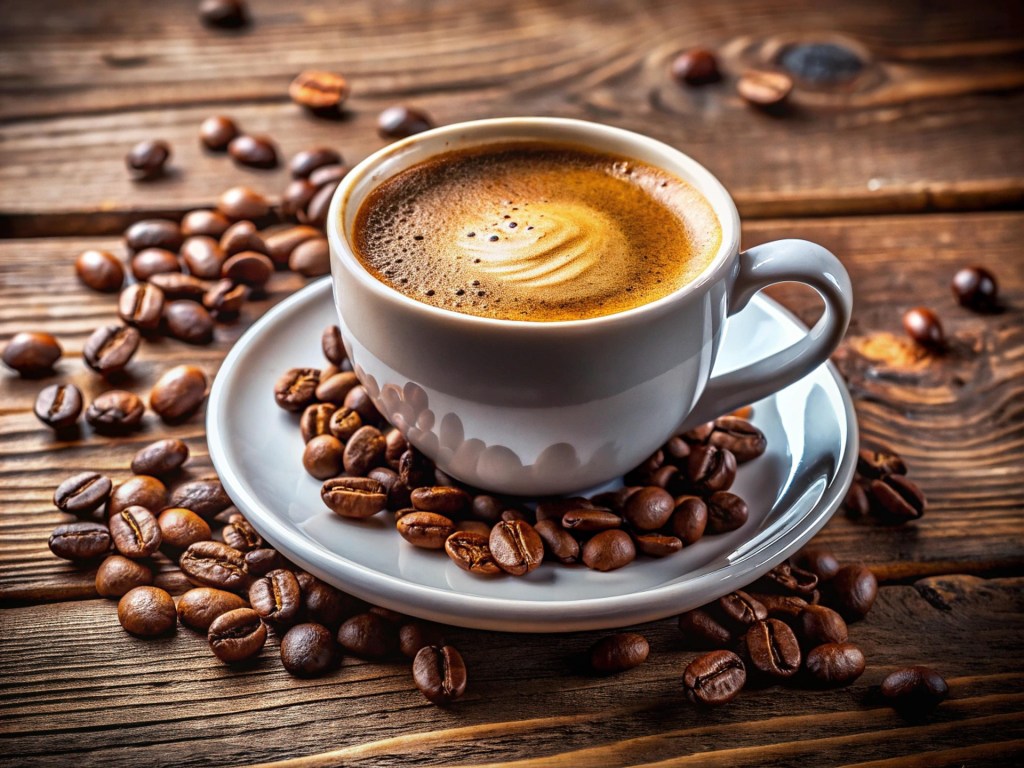
Caffeine is the most well-known and widely consumed psychoactive substance in the world and is found naturally in plant species such as coffee, tea and cocoa. Caffeine is most commonly consumed in the form of beverages such as coffee, soft drinks, tea, energy drinks.
Supplementing the diet with caffeine has been shown to significantly enhance athletes, in prolonged aerobic training as well as in short-term high-intensity training, increases fat oxidation, reduces the perceived feeling of fatigue.
Caffeine is ergogenic when consumed in doses of 3–6 mg/kg body mass. The most commonly used time to take caffeine supplements is 60 minutes before exercise. Caffeine is also ergogenic for cognitive function, including attention and alertness, and can also improve cognitive and physical performance even under conditions of sleep deprivation.
Alternative sources of caffeine (apart from coffee, cocoa, tea, cola and energy drinks) are caffeinated gum, caffeine pills (with/without guarana), mouthwashes and energy gels, which have also been shown to improve performance.
Side effects of excessive caffeine consumption include sleep disturbance, anxiety, restlessness, increased heart rate, increased blood pressure, and are almost always related to excessive doses.
The recommended maximum daily intake of caffeine is 400 mg for adults, 200 mg for pregnant and lactating women and 2.5 mg per kilogram of body weight for those under 18 years of age.
The amounts of caffeine found in drinks and foods are as follows
Coffee, 75 to100 mg per 170 ml cup, 40 mg per 30 ml espresso.
Tea, 30 to 50 mg per 170 ml cup black or green tea.
Most colas (except “caffeine-free”) – 45 mg in a 330 ml drink.
Energy drinks, usually up to 200 mg per 330 ml drink.
Gums, 40 – 80 mg per gum
Pills, 100 – 200 mg per pill
Chocolate, 10 – 58 mg per 30 gr.
Practical Shooting and caffeine
Caffeine is often necessary for practical shooting athletes, mainly because the long duration of the matches. A 12-stage match a day can last up to 6 hours. In order for the athlete to be able to respond without reducing his energy and alertness throughout this time, it is wise to consume caffeine between the stages, in the form of coffee, energy-gel with caffeine, caffeine chewing gum, caffeine pills.
During the match, the recommended dose is up to 200 mg. Do not exceed the recommended dose until the end of the match because stomach upset and anxiety may occur, resulting in a decrease in performance in the match.
With careful intake, it is an excellent aid, try it.
 Diet gun
Leave a comment