-
Higher serum Vitamin D concentration in AIS patients leads to Reduced Mortality and Better Health

25-hydroxyvitamin D3 or 25 (OH) D3 or cholecalciferol is one of the two main forms of vitamin D used to assess vitamin D status in our body. Vitamin D, whether obtained from the diet or synthesized in the skin, is transported to the liver where it is metabolized to 25-hydroxyvitamin D. Measurements of 25-hydroxyvitamin D…
-
Cholesterol & Neurological Disorders – Are Statins Harmful ?

The crucial effects of cholesterol in the brain on different cellular processes in the central nervous system have become apparent in recent decades. The brain contains ≈ 25% of the total amount of cholesterol in the body. Due to the blood-brain barrier, the central nervous system does not absorb cholesterol from the bloodstream and relies…
-
Eating Habits During Young Adulthood

Another study, very recent and published on June 4, 2026 in MDPI, entitled Eating Habits, Body Weight Perception, and Psycho-Emotional Factors Among Romanian University Students: A Cross-Sectional Study, showed that eating behaviors and habits during young adulthood interact and shape health. Irregular eating patterns, unhealthy food choices, and engaging in quite restrictive diets have been…
-
Gut-Adipose Tissue-Cancer Tumor and Obesity

Worldwide, the incidence of cancer attributed to obesity is 11.9% in men and 13.1% in women. Excessive body weight has been shown to be associated with an increased risk of cancer in at least 13 parts of the body including adenocarcinomas of the endometrium, esophagus, kidneys and pancreas, hepatocellular carcinoma, meningioma, multiple myeloma, colon cancer,…
-
Some of the Best Articles from my Blog you Should Read

Sometimes it’s worth stopping and taking a look back at what we’ve already written and shared. Within these articles hiding knowledge, thoughts, experiences and small lessons that remain relevant. In this post, I’ve compiled a selection of my favorite articles from the blog. I chose them because I believe they best represent what I want…
-
Coffee and its Αnorexigenic Εffects

Balanced caffeine consumption in the form of coffee or as a supplement has been shown to have benefits in metabolism, improved physical performance, cognitive function, thermogenesis, insulin sensitivity and hormonal regulation. In the results of the study published on May 12, 2025, entitled Coffee Intake Reduces Short-Term Carbohydrate and Lipid Consumption, we saw that after…
-
Low Protein Intake Causes Functional Impairment in Older Adults

A recent cohort study published on March 26, 2026 in MDPI titled Low Protein Intake Is Associated with the Risk of Functional Impairment in Older Adults in an Age- and Gender-Specific Manner: A SHARE-Based Study clearly shows that lower than normal protein intake is associated with a higher likelihood of short-term muscle weakness and functional…
-
How Long do Animal Protein Foods Last in our refrigerator ?
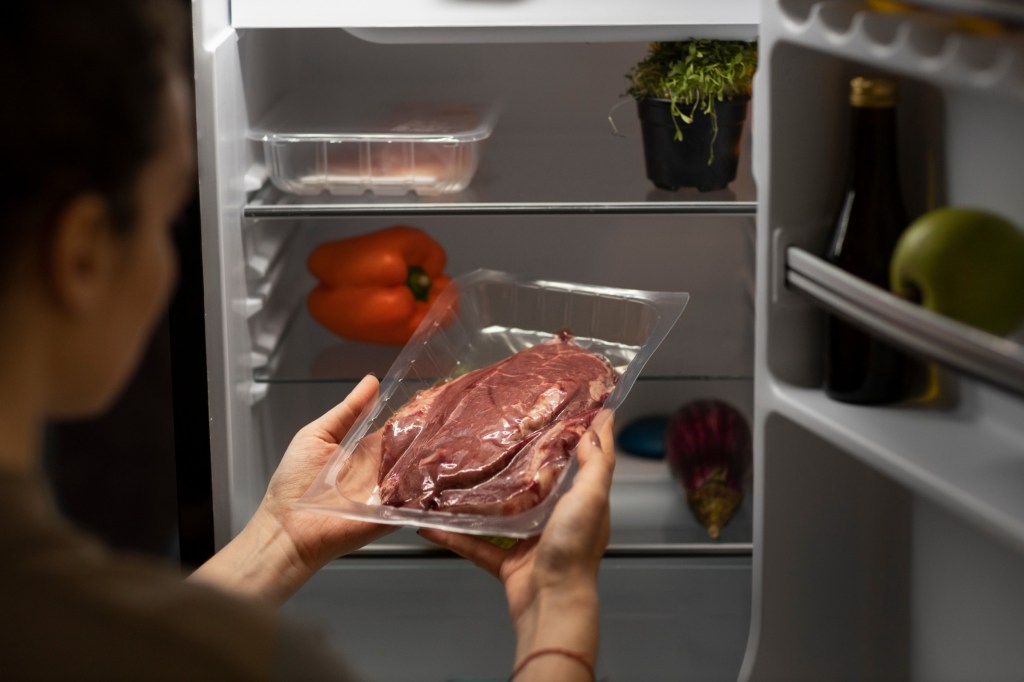
We should set the refrigerator to operate at 4°C. We should set the freezer to -18°C. Fresh meat & poultry(raw) Refrigerator/Freezer Beef 2-4 days / 10-12 month Pork 2-4 days / 8-12 months Lamb 2-4 days / 8-12 months Veal 3-4 days / 8-12 months Ground meat 1-2 days / 2-3 months Chicken/turkey – whole 2-3 days / 1 year…
-
Plant-Based Diet Improves Parkinson’s Disease

Parkinson’s disease is a degenerative disease that attacks and destroys a specific group of neurons in the basal ganglia of the brain, called dopaminergic neurons. Dopaminergic neurons secrete dopamine and its lack creates the characteristic symptoms of the disease, which are tremors and slowness in the execution of movements, muscle stiffness, loss of automatic movements,…
-
10 Vegetables and 10 Fruits High in Fiber

Dietary fiber is the edible part of plant foods that cannot be digested or absorbed in the small intestine and passes intact into the large intestine. Fiber is often classified, depending on its solubility, into soluble and insoluble: Soluble fiber absorbs water and forms a gel, which delays the digestion and absorption of nutrients. Soluble…
-
Subscribe
Subscribed
Already have a WordPress.com account? Log in now.
 Diet gun