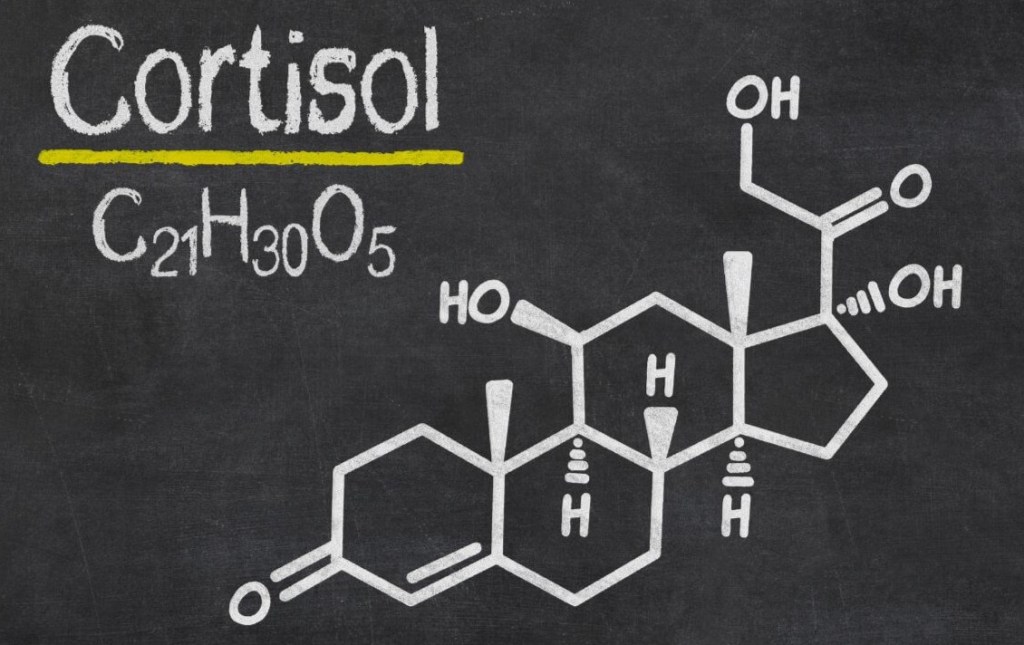
Cortisol is one of the most important hormones and essential for life. It is the body’s main stress hormone. The release of cortisol in the body is highest in the morning, when we need a burst of energy to wake up, and decreases throughout the day.
Stress releases cortisol throughout the day and night, and its levels are constantly changing depending on our personal routine.
Cortisol increases glucose in the bloodstream, enhances the use of glucose by our brain, prepares the body to fight or flee when faced with danger (i.e. when it is in a state of stress), and also increases the availability of substances that repair tissues. These functions are directly related to the state of alertness that our body is in.
The need for more cortisol that the body needs when it is in a state of stress, diverts cortisol from systems that are not necessary for the stress response such as digestion and when the stress is reduced then the hormone levels return to normal.
However, if there are constant stressors and the body constantly feels pressure/stress, cortisol remains at high levels and negatively affects the quality of sleep, blood sugar balance, the immune system and digestion. The long-term presence of cortisol at high levels in the body can have the following side effects
1. Increased anxiety and depression
2. Headaches
3. Increased blood pressure
4. Heart disease, stroke
5. Muscle tension and muscle pain
6. Digestive problems
7. Sleep problems
8. Weight gain
The following 3 food categories can help us maintain a better balance in our body’s cortisol.
1. Foods high in Magnesium
Magnesium affects the hypothalamus/pituitary/adrenal triad, which stimulates stress responses, reduces cortisol and reduces glutamate activity involved in fear, anxiety and panic reactions.
Magnesium it is found in green leafy vegetables, nuts, bananas, legumes, oily fish and avocados.
2. Foods high in Omega-3 fatty acids
Omega-3 fatty acids help reduce cortisol levels by reducing possible inflammation as inflammation increases cortisol levels.
Omega 3 is found in salmon, mackerel, tuna, sardines, seafood, soybean, walnuts, Brussels sprouts, flaxseed, avocado, flax seeds, chia seeds, algae.
3. Foods with a high content of plant fibers
This can include vegetables, fruits, beans, nuts, lentils, seeds, and whole grains.
We should limit, as much as possible:
1. too much alcohol because it also leads to an increase in cortisol levels
2. the daily intake of large amounts of coffee because caffeine increases stress and anxiety levels (resulting in an increase in cortisol)
3. processed foods because they increase cortisol due to the trans fats and refined sugar they contain.
Their infrequent and small consumption does not affect cortisol levels.
 Diet gun
Leave a comment