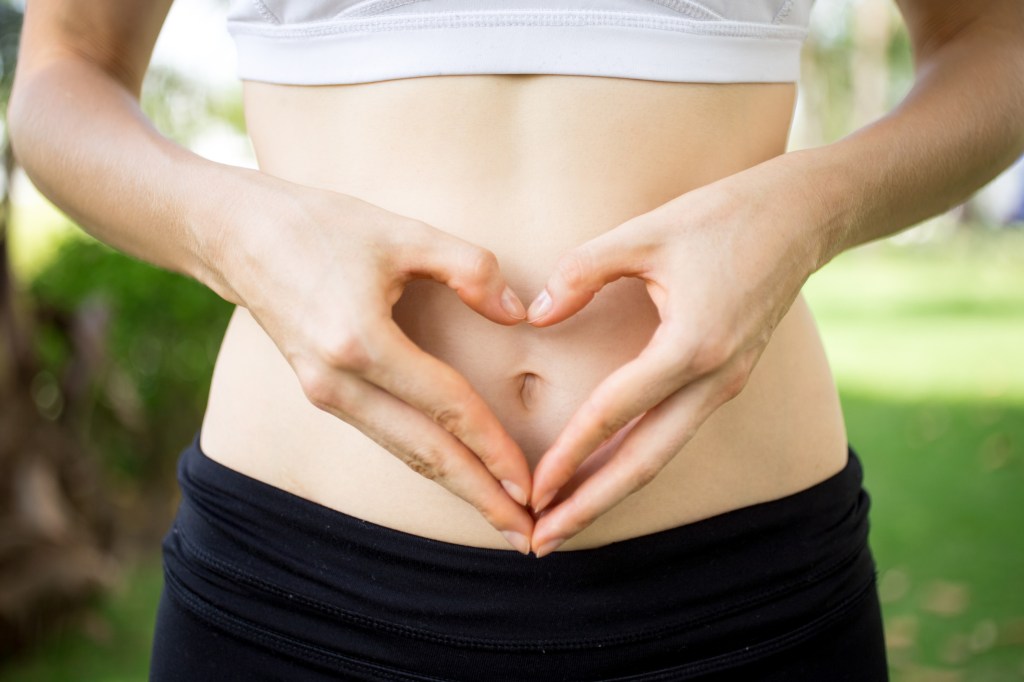
The normal intestinal flora is a world made up of millions of microorganisms that live and grow within our gastrointestinal system.
These microorganisms break down the foods we eat, control our appetite, help regulate our metabolism, help our immune system, and affect our mood.
The “good microbes” of our intestinal flora ensure that our body absorbs all the necessary nutrients from food, make natural antibiotics and also produce some vitamins for our body.
Our microbiome controls our digestive system by determining how many calories will be used from the foods we consume. Some of the bacteria found in our microbiome can and do extract more energy from food than others. This is one of the reasons why someone gains weight more easily than someone else who consumes the same foods but does not gain weight.
The difference between the microbiome of an obese person and a lean person can result in an additional intake of 150 kcal per day (about 7 kg per year) by the obese person, with exactly the same diet.
Our microbiome can also affect our weight through an established chronic low-grade inflammation, which is due to the entry of gut microbes into the bloodstream. This inflammation can result in insulin resistance, obesity, diabetes, atherosclerosis.
It is therefore expected that each person has different types of bacteria in their gut, as well as different amounts of bacteria.
Certain foods that are rich in probiotics (i.e. “good microorganisms” that have a positive effect on our body) will increase the number of “good bacteria” in our gut. These are the following foods:
1. Yogurt
2. Kefir
3. Miso
4. Sauerkraut
5. Kimchi
6. Tempeh
7. Kombucha
8. Pickles that have undergone natural fermentation with only water and salt
Prebiotics (i.e. plant fibers that resist the digestion process when they enter the small intestine and are the food of probiotics).
Prebiotics are found in many foods such as vegetables and fruits, in detail:
1. Fruits (mostly in bananas, berries, apples)
2. Vegetables (mostly in asparagus, onions, garlic, artichokes, leeks, tomatoes, peas)
3. Whole grains (mainly barley and rye)
4. Beans
5. Lentils
Probiotics as a supplement
Probiotics (in pill form or in the form of probiotic-enriched foods) are usually genetically modified bacteria with properties to cause platelet aggregation, collagen and fibrinogen conjugation, and production of glycosidases and proteases to help probiotic bacteria survive in adverse conditions and colonize vascular surfaces, but causing complications such as endocarditis (mainly in immunocompromised patients), liver abscess and bacteremia.
For these reasons, probiotics in supplement form should always be consumed after a positive recommendation from our treating physician.
 Diet gun
Leave a comment