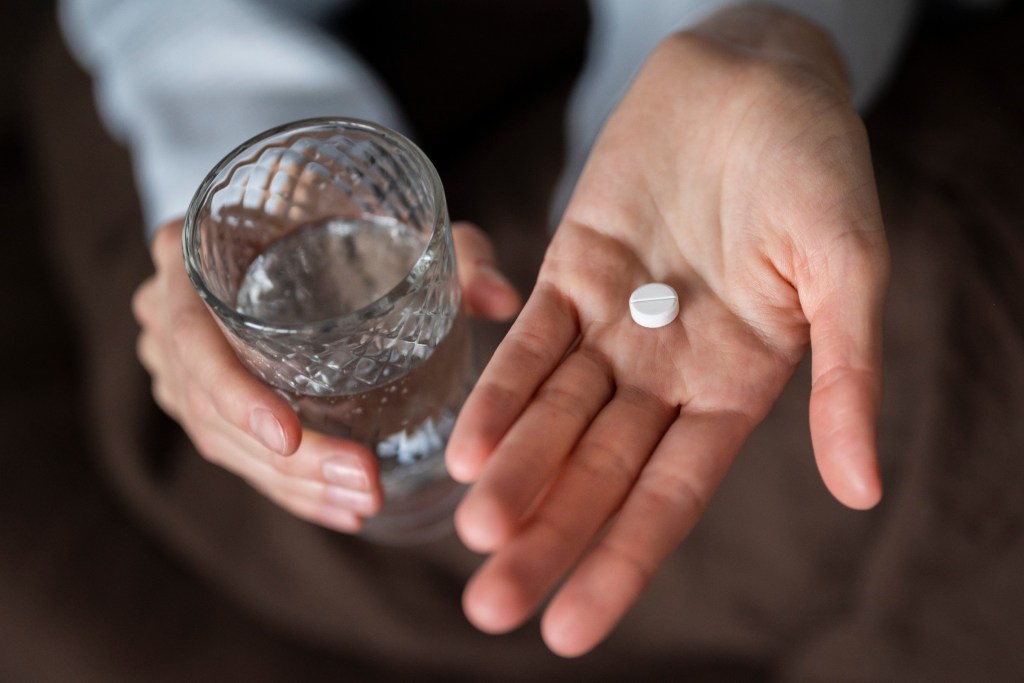
Acetaminophen, also known as paracetamol, is one of the most commonly prescribed medications for the treatment of mild to moderate pain and fever.
Approximately 5% of the population is at risk of drug interactions with certain foods, even if these drugs are drugs that do not have serious side effects like Acetaminophen. The elderly who are taking more than one medication are at risk of these interactions, people with chronic diseases, diabetics, people with stomach or cardiovascular problems, the immunocompromised, the obese, pregnant women, children, and alcoholics.
Acetaminophen may have reduced absorption and therefore reduced effect if we consume foods with a high pectin content such as apple, orange, lemon, plum, pear, grape, cherry, blueberries, peaches, figs, carrot, jellies.
Acetaminophen may also have reduced absorption if we consume cruciferous vegetables such as broccoli, cabbage, cauliflower, Brussels sprouts.
It is not yet clear how much effect neither pectin foods nor cruciferous vegetables have on reducing the absorption of acetaminophen.
We avoid drinking alcohol while taking acetaminophen, because it can increase the risk of hepatotoxicity as most drugs, like paracetamol, are metabolized in the liver.
In general, analgesics and antipyretics for quick relief should be taken on an empty stomach, because food can slow down their absorption.
Paracetamol, especially in high doses, can cause symptoms from the upper gastrointestinal system, such as abdominal pain, discomfort, heartburn, nausea or vomiting, and it is better if we have to take high doses to consume them with a small amount of carbohydrates, even if we lose some of their absorbability, to limit these types of side effects.
 Diet gun
Leave a comment