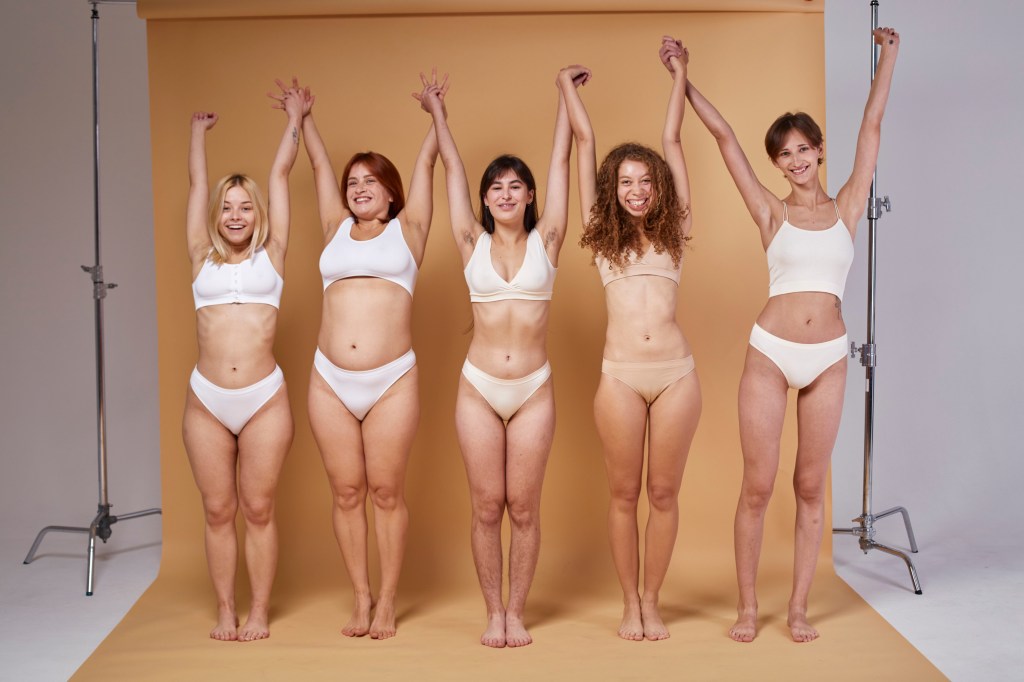
Our body weight, our ideal weight and our body composition in general are determined by the following factors:
Genetic factors
The heredity that we transfer from our parents and ancestors, the DNA, has an important role in regulating our weight.
The 3 basic categories of body types have a purely hereditary background.
The ectomorphic type with generally endogenous characteristics of the small size of the body’s bones, little fat mass but also little muscle mass will not change except by epigenetic factors such as the chronic intake of specific drugs (e.g. antidepressants, antipsychotic drugs, corticosteroids, antiretroviral drugs) or e.g. with continuous training to increase muscle mass.
Similarly, the mesomorphic type with generally endogenous characteristics of the large size of the body’s bones, the ideal fat mass, the large natural muscle mass and the great natural strength will not have changes except from epigenetic factors.
The endomorphic type with generally endogenous characteristics of the large size of the body’s bones, the excessive fat mass, the relatively large natural muscle mass, will also be influenced by epigenetic factors.
Epigenetic factors
Epigenetic factors are the factors that affect us after we are born. Such factors are exercise, our increased or not physical activity and have a great relationship to the composition of our weight and our body, they are more evident at an older age.
Other important epigenetic factors are the chronic use of certain medications such as antidepressants, antipsychotic drugs, corticosteroids, antiretroviral drugs, as well as possible serious accidents that can affect body parts and organs, as well as diseases such as hypothyroidism, insulin resistance, etc.
Environmental factors
The climate we live in, our complete identification with the customs and traditions of the region can affect our weight.
Cold climates create an increase in a specific type of adipose tissue which can create thermogenesis, thus increasing the body’s energy expenditure. On the contrary, in hot climates it is necessary to consume more liquid natural foods and water in order to avoid dehydration, resulting in more difficulty in gaining weight.
Morals and customs refer to commonly accepted behaviors, traditional practices, and social norms that are inherited from generation to generation and may also be related to specific dietary choices that are not particularly, or not at all, healthy, e.g. consumption of sugar-rich foods, fat-rich foods, high-calorie foods, foods with minimal fiber, junk food, etc.
Nothing is always stable and absolutely measurable throughout our lives.
The best we can do to have an ideal and balanced weight is personalized nutrition and exercise according to our body type, activity, height, gender, age and the epigenetic factors we may have.
Related Articles that may help:
5 Myths about Diet Programs
10 Habits or Advice we SHOULD NOT Follow
Truth or False about Foods and Nutrition
5 Main Reasons Why We Don’t Follow a Diet Plan
10 Consequences of a Bad Diet Program
Carbohydrate Quality for Healthy Aging
Hunger or Craving for Food ?
10 nutrition advice for good health
Foods for a faster metabolism
5 Food Categories for when we’re Really Hungry
 Diet gun
Leave a comment