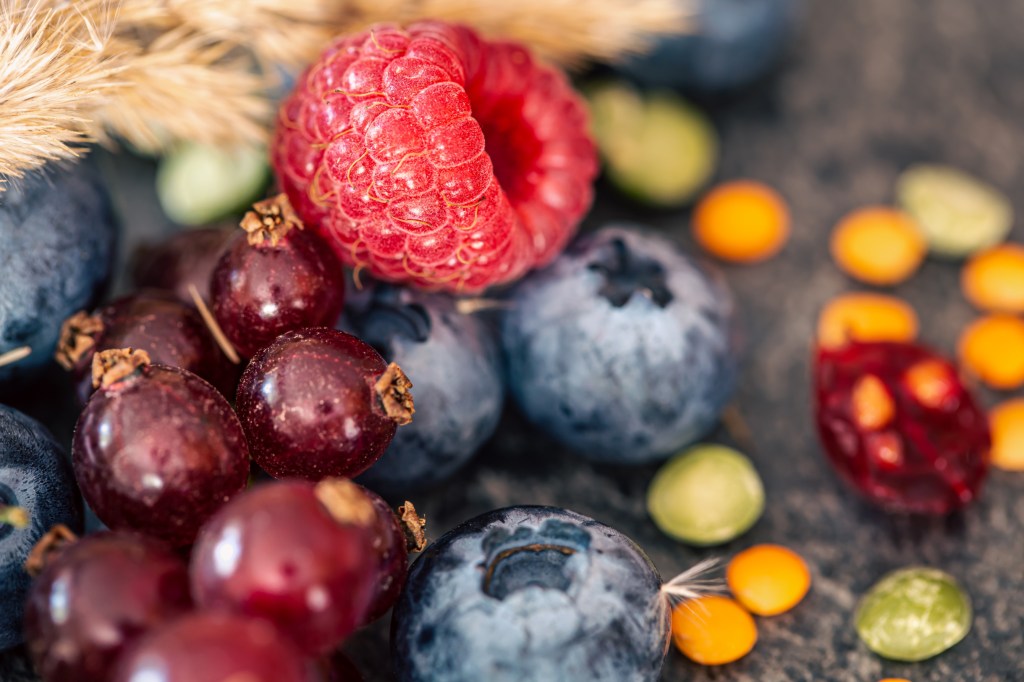
Phytochemicals are natural compounds found in plants to protect them from disease by contributing to their defense system. They also contribute to the color and flavor of plants.
Phytochemicals are not essential elements for human life, but they have a positive effect on our health.
A diet rich in phytochemicals has been associated with a lower risk of chronic diseases, such as cardiovascular disease and cancer.
They are mainly found in fruits, vegetables and legumes.
There are six main phytochemicals, flavonoids, isoflavones, carotenoids, resveratrol, catechins and lycopene.
1. Flavonoids
Flavonoids have powerful antioxidant properties, help protect the body from free radicals, reduce inflammation, and boost vascular health, helping to reduce cardiovascular disease.
The best sources of flavonoids are strawberries, blueberries, raspberries, and blackberries.
2. Isoflavones
Isoflavones help relieve menopausal symptoms, reduce the risk of osteoporosis, and due to their antioxidant properties, contribute to good heart function.
The best sources of isoflavones are lentils, beans, and soybeans.
3. Carotenoids
Carotenoids, because they have powerful antioxidant properties, reduce the risk of chronic diseases, such as heart disease, eye disease, and certain forms of cancer.
The best sources of carotenoids are carrots, winter squash, sweet potatoes, spinach, tomatoes, broccoli, and plums.
4. Resveratrol
Resveratrol has strong antioxidant and anti-inflammatory effects with benefits for anti-aging, cardiovascular health, and brain function.
The best sources of resveratrol are red grapes, red wine, blueberries, and peanuts.
5. Catechins
Catechins have strong antioxidant effects and protect the body from oxidative stress and contribute to good cardiovascular function.
The best sources of catechins are teas (especially green tea), blueberries, apples, plums, cocoa, and beans.
6. Lycopene
Lycopene also has antioxidant properties, helping to eliminate free radicals in the body, reduces LDL, helps with good bone health, protects and moisturizes the skin during sunbathing, prevents the formation of cataracts in the eyes, and contributes to the proper functioning of the cardiovascular system.
The best sources of lycopene are tomatoes, watermelon, and red peppers.
 Diet gun
Leave a comment