Vitamin B12 is a water-soluble vitamin involved in the metabolism of every cell in the human body, especially in the formation of red blood cells, the functioning of the nervous system, and the synthesis of DNA.
Vitamin B12 is found ONLY in foods of animal origin and its absorption depends on the gastric intrinsic factor, in the absence of which vitamin B12 cannot be absorbed.
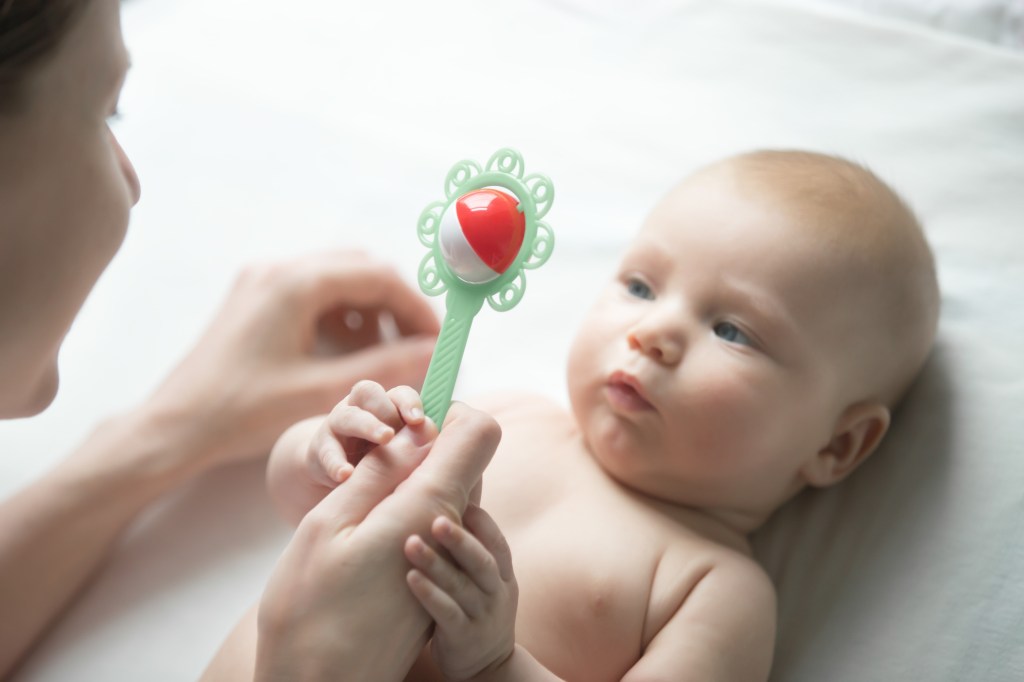
The recent research published on November 16, 2025 in MDIP entitled Newborn Screening Alone Cannot Prevent Most Cases of Severe Vitamin B12 Deficiency in the First Year of Life, examines and demonstrates that B12 deficiency in pregnant and breastfeeding mothers is transmitted to a large extent to infants and can lead to serious, even irreversible neurological abnormalities.
The maternal vitamin B12 status during pregnancy and breastfeeding is significantly correlated with the child’s vitamin B12 status. The mother’s vitamin B12 deficiency during pregnancy and breastfeeding creates a deficiency of the vitamin in the infant.
This deficiency can occur immediately after birth and up to the first year of the infant’s life.
The deficiency occurred in both fully breastfed and partially breastfed infants.
The etiology of vitamin B12 deficiency in the mother and by extension in the infants was reported in 43% of the cases examined.
The development in infants of muscle hypotonia, reduced appetite, failure to grow, anemia, lack of movement and fatigue in combination with anorexia and repeated vomiting should be evaluated immediately by a physician to provide appropriate treatment.
The recommended daily allowance of vitamin B-12 for adults is 2.4 mcg. The intake of the following foods by pregnant and lactating mothers is essential for good health of both mother and baby.
Amount of vitamin B12 in foods containing it:
beef liver with 18.7 mcg/100gr.
veal/beef with 1.5 mcg/100gr.
sardines with 8.9 mcg/100gr.
salmon with 5.6 mcg/100gr.
tuna with 2.9 mcg/100gr.
clams with 99 mcg/100gr. (the food with the most B12)
oysters with 25.6 mcg/100gr.
mussels with 24 mcg/100gr.
cod with 2.1 mcg/100gr.
milk and yogurt with about 1.3 mcg/250 ml
cheese with 0.8 – 0.9 mcg/100gr.
egg with 0.6 – 0.8 mcg/1 egg
Pregnant women and those who are breastfeeding if they follow a vegetarian or vegan diet should take a vitamin B12 supplement to avoid future problems in the infant they will bring into life or in the baby they have given birth to.
Women with an inability to produce or with unsuccessful use of the endogenous factor resulting in the non-absorption of vitamin B12 should contact their treating physician who will probably administer vitamin B12 in injectable or sublingual form.
 Diet gun
Leave a comment