Omega-3 fatty acids (EPA (eicosapentaenoic acid) and DHA (docosahexaenoic acid) play a critical role in brain function, neuroplasticity, and emotional regulation.
Deficiency or imbalance in the omega-6/omega-3 ratio has been associated with an increased risk of mood disorders, such as major depression and bipolar disorder.
A review of epidemiological studies published on January 3, 2026, entitled Omega-3 Fatty Acids and Mood Disorders: A Critical Narrative Review in MDPI, found evidence that EPA-enriched formulations (≥60%) have antidepressant effects, particularly in patients with elevated inflammatory markers, while DHA-only formulations have limited efficacy and the results vary depending on the omega-6/omega-3 balance in the diet.
Mood disorders, such as major depressive disorder (MDD), bipolar disorder, and persistent depressive disorder, are among the leading causes of disability, significantly affecting psychosocial functioning and quality of life.
Despite the widespread use of pharmacological and psychotherapeutic treatments, a significant proportion of patients -especially those with treatment-resistant depression- do not achieve complete remission and often relapse.
Omega-3 polyunsaturated fatty acids (PUFAs) -mainly eicosapentaenoic acid (EPA) and docosahexaenoic acid (DHA)- have shown positive effects in modulating mood regulation and maintaining neural plasticity.
Omega-3 PUFAs are critical structural and functional components of neuronal membranes and play a key role in synaptic integrity, neurotransmitter dynamics, neuroinflammatory control and redox balance.
Although omega-3 fatty acids can be synthesized endogenously, they cover approximately 15% of the physiological requirements of humans.
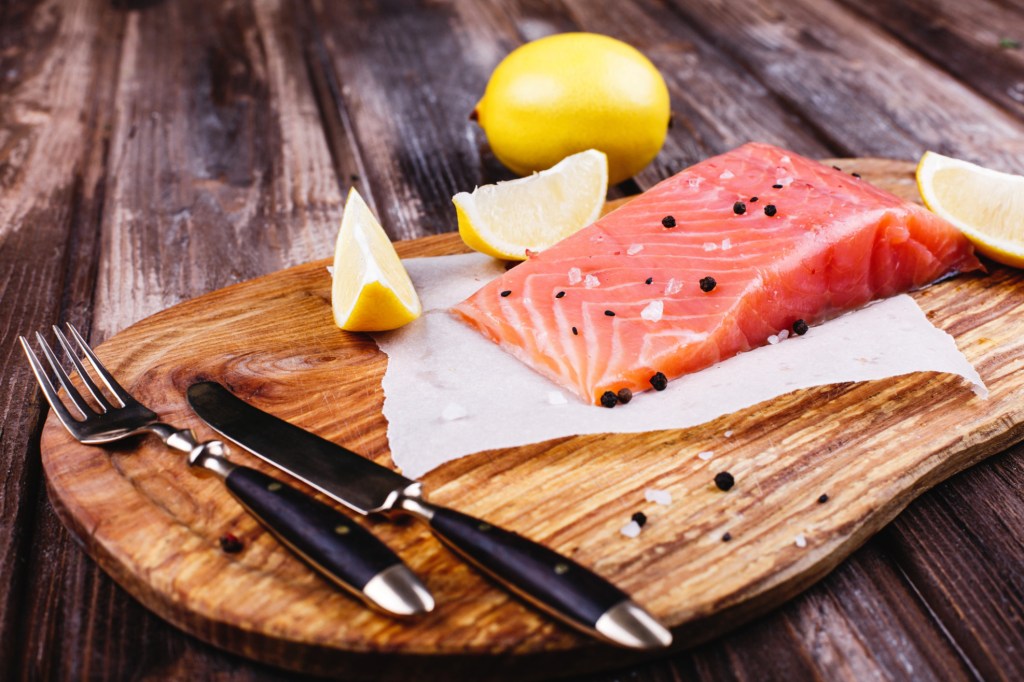
Therefore, adequate intake through dietary sources such as fatty fish (e.g. salmon, sardines), or in the form of supplements is essential. Omega-3 fatty acid deficiency has been associated with impaired brain function, increased levels of pro-inflammatory production, and increased vulnerability to emotional dysfunction.
Depressive Disorder and Lipids
Individuals with major depressive disorder often exhibit significant alterations in triglycerides, LDL/HDL cholesterol, and free fatty acids.
These lipid abnormalities are not simply consequences of depression, but may contribute to a self-perpetuating inflammatory-metabolic cycle within the body.
A diet with sufficient fat will improve outcomes in their lipid profile.
Inflammatory markers
Individuals with elevated levels of inflammatory biomarkers – such as C-reactive protein (CRP), interleukin-6, and tumor necrosis factor-alpha (TNF-α) – have greater therapeutic benefit from omega-3 therapy compared to individuals without inflammation.
Individuals with fatigue, psychomotor retardation and increased immunoinflammatory activity often show limited effectiveness in the administration of conventional antidepressants, but when administered omega-3 with increased amounts of EPA (more than 60% of the total composition) have a significant reduction in symptoms as well as a reduction in inflammatory markers.
EPA Dosage
The optimal dosage of EPA usually ranges from 1 to 2 g/day, although benefits have been observed at 500 mg/day.
These benefits appear particularly when used as a complementary therapy alongside the conventional pharmacotherapy that the patient is receiving.
Omega-6/Omega-3 Ratios in the Diet
In modern Western dietary patterns, the omega-6/omega-3 ratio has changed dramatically, often exceeding 15:1 or even 20:1, largely due to the widespread consumption of seed oils such as soybean, corn, and sunflower oils, which are rich in omega-6 linoleic acid.
This excessive omega-6 intake leads to the synthesis of pro-inflammatory eicosanoids, promotes chronic low-grade systemic inflammation, and has been linked to the pathogenesis of depression, cardiovascular disease, and neurodegenerative diseases.
Mediterranean and Japanese Diets
Populations that follow a Mediterranean or traditional Japanese diet, which is rich in omega-3 and low in refined seed oils, consistently show a lower incidence of mood disorders.
Reducing the dietary ratio below 5:1 – through increased omega-3 intake and reduced omega-6 consumption – may enhance the effectiveness of antidepressant treatments.
Optimizing the lipid profile of the diet through the correct omega-6/omega-3 ratio is a feasible, non-pharmacological strategy to complement treatments for mood disorders.
Omega 3 is found in salmon, mackerel, tuna, sardines, seafood, soybean, walnuts, Brussels sprouts, flaxseed, avocado, flax seeds, chia seeds, algae.
Omega 3 is also available in dietary supplements and is usually found in proportions with larger amounts of EPA and smaller amounts of DHA, i.e. proportions that are more helpful in reducing the inflammatory markers mentioned above.
Omega 3 related Articles that may help:
Omega-3 in Children’s Nutrition
10 nutritional tips for a better response to Depression
10 Healthy Foods for Seniors
Nutrition for Psoriasis
Foods to increase White Blood Cells (WBC)
 Diet gun
Leave a comment