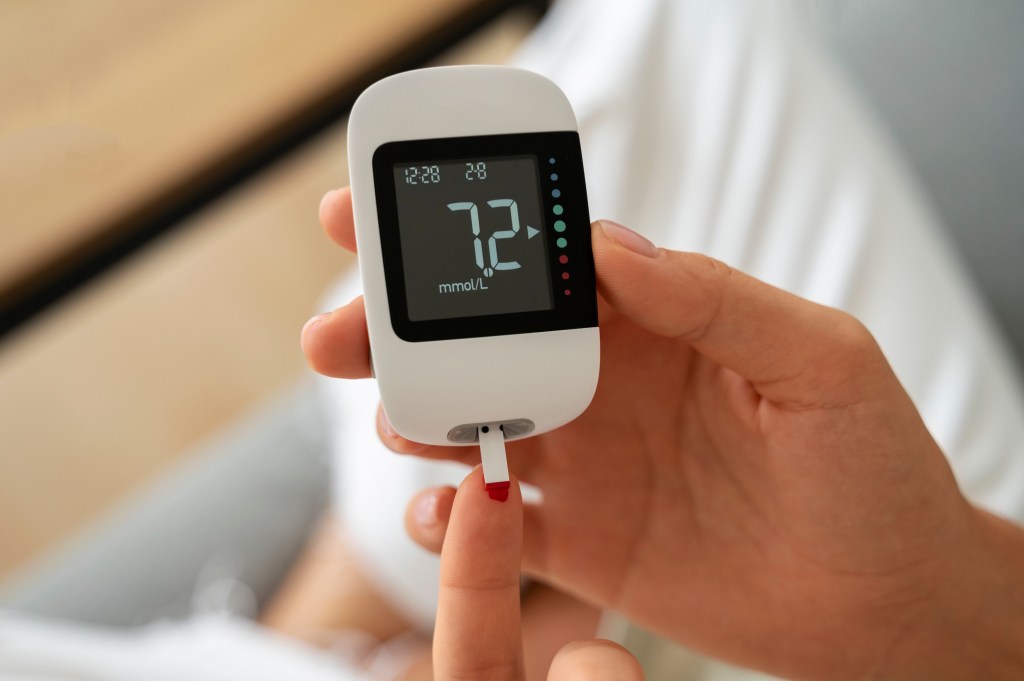
Glucose is a monosaccharide found naturally in fruits and vegetables. It is also formed from the digestion of complex carbohydrates and the conversion of glycogen by the liver and is the main source of cellular energy in the body.
Glucose is essential for the functioning of the brain and red blood cells.
Measuring fasting blood sugar (glucose) levels is used in the diagnosis of diabetes mellitus and hypoglycemia, as well as other disorders of carbohydrate metabolism such as gestational diabetes, neonatal hypoglycemia, idiopathic hypoglycemia, and pancreatic cancer.
Vegetables are divided into starchy and non-starchy.
Vegetables are known to be full of vitamins, minerals, fiber, and phytochemicals that are good for health.
The less glucose the vegetables have, the more often they can be consumed by people who want to better regulate their blood glucose.
The amount someone will consume depends on the amount of calories they should consume, if they are on a weight loss diet, as well as their activity (working in an environment that moves a lot, doing exercise, living in a cold environment that increases metabolism, etc.).
The best-known vegetables that are not so starchy and can be used more often in a diet for better blood glucose regulation are the following:
Amaranth (Chinese spinach)
Artichoke
Arugula
Asparagus
Brussels sprouts
Broccoli
Cabbage
Carrots (raw only)
Cauliflower
Celery
Chayote
Chicory
Collard
Cucumber
Daikon
Eggplant
Endive
Escarole
Jicama
Kale
Kohlrabi
Leeks
Lettuce
Mushrooms
Okra
Onions
Peppers
Radicchio
Radishes
Romaine
Rutabaga
Spinach
Sprouts
Squash
Swiss chard
Tomato
Turnips
Water chestnuts
Yard-long beans
Zucchini
All of the above foods are low on the glycemic index (GI).
Glycemic Index (GI)
The glycemic index is a numerical scale from 0 to 100, which shows how quickly a food (usually 100 grams of most foods) containing carbohydrates increases blood glucose levels compared to pure glucose (which has a GI = 100).
Glycemic Index Categories
Low GI: 1 – 55 (e.g. lentils, apples, yogurt, oats)
Moderate GI: 56 – 69 (e.g. whole wheat bread, bananas, honey)
High GI: 70 – 100 (e.g. white bread, potatoes, sugary breakfast cereals)
If we consume large amounts of a food containing carbohydrates, then we also have an increased glycemic load (GL).
Glycemic Load(GL)
Glycemic load is related to the glycemic index but also to the amount of carbohydrates that each food contains. Glycemic load is a more accurate way to estimate the true effect of a food on blood sugar.
GL = (GI x grams of carbohydrates per serving) / 100
Glycemic Load Categories
Low GL: 0 – 10
Moderate GL: 11 – 19
High GL: 20 and above
e.g. the glycemic index of tomatoes is about 30.
If we consume 400 grams of tomatoes in our meal then we have about 12 grams of carbohydrates (not including fiber).[100 grams of tomatoes = about 3 grams of carbohydrates]
GL = (30 x 12 / 100) = 3.6 we are very good
If we consume 200 baked potatoes in our meal, 2 small potatoes (the glycemic index of baked potatoes is about 95) then we have about 38 grams of carbohydrates (not including fiber). [100 grams of tomato = about 19 grams of carbohydrate]
GL = (95 x 38 / 100) = 36.1, which is high
Of course, we will not only consume tomatoes in our meal, if we consume tomatoes and potatoes or another carbohydrate together, we will have to correctly calculate the amount we will consume in order to have better glucose values in our blood.
Sources and articles that may help:
Non-Starchy Vegetables for Blood Glucose Control
Starchy Vegetables: Food Pattern Modeling Analysis
What’s the Difference Between Starchy and Non-Starchy Vegetables?
Starchy vs. Non-Starchy Vegetables
Understanding HbA1c with the Life Cycle of a Red Blood Cell
Red Blood Cells Serve as a Primary Glucose Sink to Improve Glucose Tolerance at Altitude
The Association of Glucose Control with Circulating Levels of Red Blood Cell-Derived Vesicles in Type 2 Diabetes Mellitus Patients with Atrial Fibrillation
Glycemic Index Chart: Glycemic index and glycemic load ratings for 500+ foods
Glycaemic Index (GI)
7 fresh fruits with high amounts of carbohydrates


 Diet gun
Leave a comment