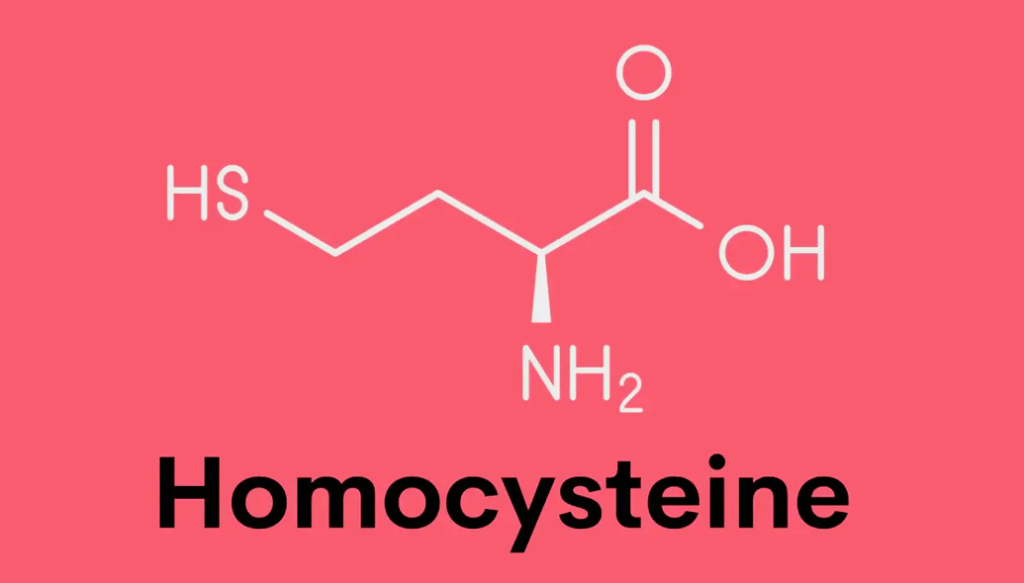
Homocysteine is an amino acid that is associated with the metabolism of the amino acid methionine and is a precursor of the amino acid cysteine.
Increased blood homocysteine (hyperhomocysteinemia) has been associated with acute coronary syndrome and is an indicator of increased risk for thromboembolic events such as acute myocardial infarction, ischemic stroke and pulmonary embolism.
It is also considered an indicator of increased risk for dementia, Alzheimer’s disease, neuropsychiatric diseases, hypertension, and osteoporotic fractures.
Increased homocysteine in tissues and blood acts by causing oxidative stress, poor endothelial function and hardening of the vessels, resulting in chronic inflammation of the vessels and the formation of atherosclerotic plaques and platelet clots, as well as increased calcium deposition in the coronary arteries. It also enhances the action of harmful factors such as hypertension, diabetes, and elevated cholesterol.
Hyperhomocysteinemia is observed
1) when the enzymes needed to reduce it have a mutation that reduces their activity
2) when there is a reduction in one of the vitamins, vitamin B2, B6, folic acid (vitamin B9), B12
3) when there is severe kidney disease
4) in hypothyroidism
The enzyme mutation and severe kidney disease cannot be treated directly with diet alone, they require treatment by the attending physician.
Hypothyroidism, if regulated with appropriate treatment and thyroid hormones are brought back into balance, will also eliminate hyperhomocysteinemia.
Increased homocysteine and diet
When we have high homocysteine in the blood, at least we should consume increased amounts of foods that contain the vitamins that are reduced in the body:
B2 riboflavin
Found in eggs, green vegetables, dairy products, meat, mushrooms, almonds.
B6 pyridoxine
Found in fish, meat, poultry, whole grains, legumes, nuts, potatoes, spinach, avocado.
B9 folate
Found in green leafy vegetables, legumes, orange grapefruit, beef liver, chicken, pork, asparagus, avocado, broccoli, Brussels sprouts.
(Folate and folic acid are two forms of vitamin B9, folate occurs naturally in foods, while folic acid is synthetic and used in supplements)
B12 cobalamin
Found mainly in foods of animal origin, such as meat, fish, poultry, eggs and dairy products.
Betaine (it is an amino acid derivative and helps convert homocysteine to methionine) which is mainly found in spinach, broccoli, beets, whole grains, quinoa and seafood.
or consume AND supplements along with the intake of foods containing these nutrients.
Sources and articles that may help:
Association Between Homocysteine and Vascular Calcification Incidence, Prevalence, and Progression in the MESA Cohort
Association of total homocysteine with blood pressure in a general population of Chinese adults: a cross-sectional study in Jiangsu province, China
Involvements of Hyperhomocysteinemia in Neurological Disorders
Homocysteine Level Predicts Response to Dual Antiplatelet in Women With Minor Stroke or Transient Ischemic Attack
The Link Between Hyperhomocysteinemia and Hypomethylation: Implications for Cardiovascular Disease
The Prognostic Value of Homocysteine in Acute Ischemic Stroke Patients: A Systematic Review and Meta-Analysis
Homocysteine and thyroid diseases
Betaine as a Functional Ingredient: Metabolism, Health-Promoting Attributes, Food Sources, Applications and Analysis Methods
 Diet gun
Leave a comment