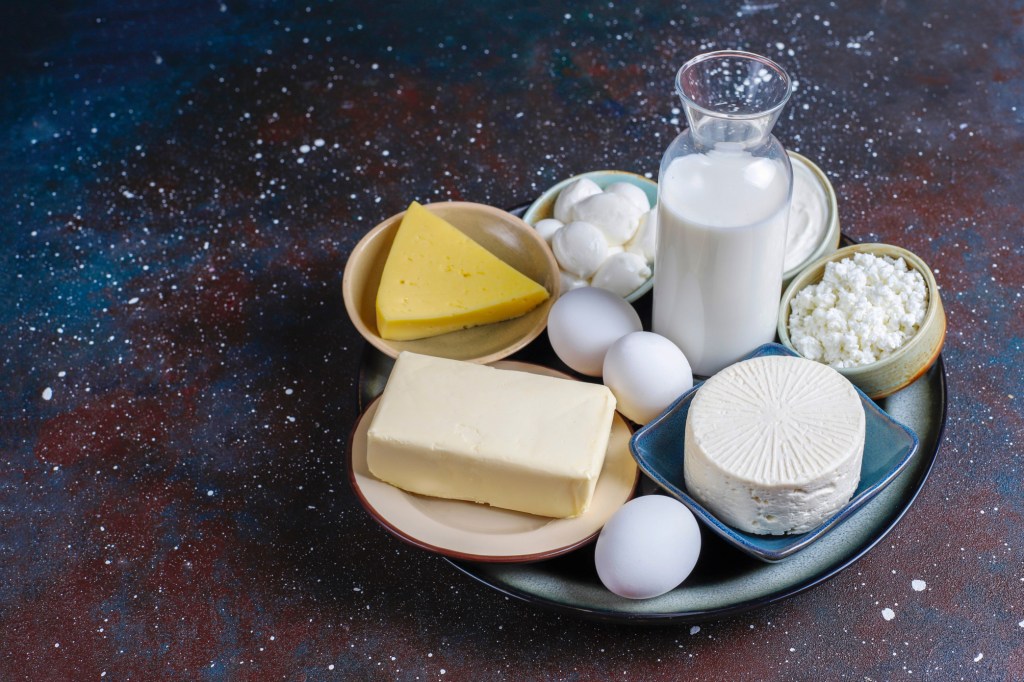
Are dairy foods inflammatory foods?
The contribution of dairy to inflammation depends on factors such as genetics, gut health, immune response, and the type and amount of dairy consumed.
Does dairy cause inflammation in all people?
Dairy does not cause chronic inflammation in all healthy people. Some people may experience symptoms of inflammation due to:
a) lactose intolerance (up to 65% in adults)
b) dairy allergy (up to 3% in infants and young children up to age 6, up to 2% in adults)
c) sensitivity to certain milk proteins (1-2% in adults, 2-6% in infants and children up to age 6)
Can dairy cause inflammation in people who are not lactose intolerant?
Yes, because some people’s bodies react to milk proteins (mainly casein). This reaction can cause digestive discomfort and, more rarely, skin problems.
Can dairy cause inflammation in arthritis or any autoimmune disease?
Many people with inflammatory or autoimmune diseases report a flare-up of symptoms after consuming dairy.
Small amounts of unprocessed dairy usually do not cause a flare-up.
Is milk more inflammatory than other dairy products?
Usually yes. Fermented dairy products (yogurt, cheese, kefir) are better tolerated than milk, especially in people with lactose sensitivity.
Fermentation reduces the lactose content, thus reducing the potential symptoms of inflammation.
Does cheese cause inflammation?
Most cheeses, because they are fermented, do not cause inflammation. Aged cheeses in particular are usually easier to digest. The amount of cheese consumed per meal is important; large amounts of especially fatty cheese can cause sensitivity and bloating.
Is there a difference between intolerance, allergy and sensitivity to dairy products?
Lactose intolerance involves difficulty digesting lactose and mainly causes digestive symptoms.
A dairy allergy is an immune reaction to milk proteins and can be more serious than lactose intolerance and require immediate medical attention.
Dairy sensitivity usually has symptoms that resemble inflammation without any noticeable inflammation or allergy.
Does consuming dairy products increase markers of inflammation in blood tests?
Usually no, consuming dairy does not increase markers of inflammation.
It is possible that markers of inflammation may increase after high dairy consumption in people with immune diseases.
Can avoiding dairy reduce existing inflammation?
Avoiding large amounts of dairy can help improve existing inflammation. The 6 types of foods that cause inflammation and must be avoided are red meat and processed meats, processed grains, snacks (chips, cookies, crackers, cakes, all sweets), soft drinks and other sugary drinks, fried foods, alcoholic beverages.
Sources of the article:
The Associations between Dairy Product Consumption and Biomarkers of Inflammation, Adipocytokines, and Oxidative Stress in Children: A Cross-Sectional Study
Milk and Dairy Product Consumption and Inflammatory Biomarkers: An Updated Systematic Review of Randomized Clinical Trials
Milk Allergy
Cow’s milk protein allergy: A comprehensive review of epidemiology, pathogenesis, clinical manifestations, diagnostics, and management strategies
Article that may help:
Anti-Inflammatory Nutrition


 Diet gun
Leave a comment