Category: Foods
-
5 Best Nuts for Snack in Diabetes

Diabetes mellitus is a metabolic disease characterized by high blood glucose levels. The body produces less or no insulin (the hormone that promotes glucose into cells) or uses insulin in an ineffective way, resulting in an increase in the concentration of sugar (glucose) in the blood. The higher the levels of sugar/glucose that we consume…
-
7 Food Categories for Fast Recovery after Surgery

After surgery and since we do not have to follow a specialized diet plan due to the operation, we must eat healthy foods that will help our body heal. A balanced intake of the right nutrients will help speed up our recovery and avoid complications related to nutrition. The following food categories are ideal to…
-
Fruits or vegetables or… both ? Do they have differences?
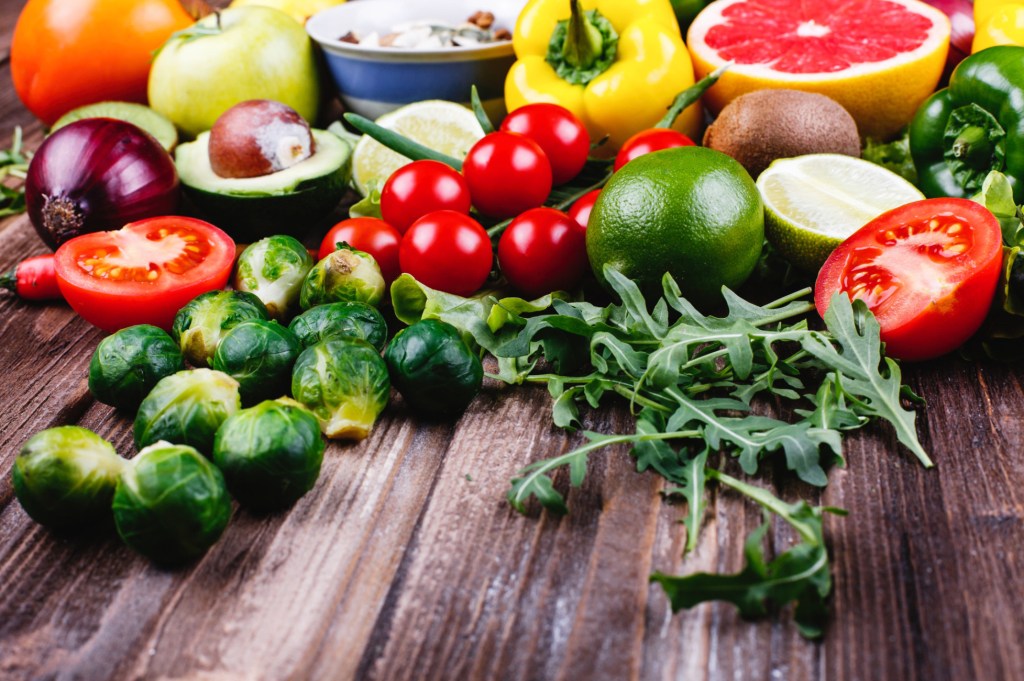
Fruits and vegetables are usually classified based on their botanical structure. Fruits contain seeds and come from the flowering part of the plant. Vegetables are the edible parts of a plant, its leaves or roots, its bulbs, its stems. Both fruits and vegetables contain mainly vitamins, minerals, fiber and other nutrients. Botanists classify certain “savory”…
-
5 Nutrition Tips for a Better Sleep

Diet and sleep are quite connected, but it is true that a balanced diet alone will not benefit our sleep if we have bad sleep habits. We should NOT consume before bedtime: 1. Caffeine Coffee and anything containing caffeine such as energy drinks, cola drinks, dark chocolate, dark chocolate ice cream are foods that disrupt…
-
Consequences of Excessive Protein Intake
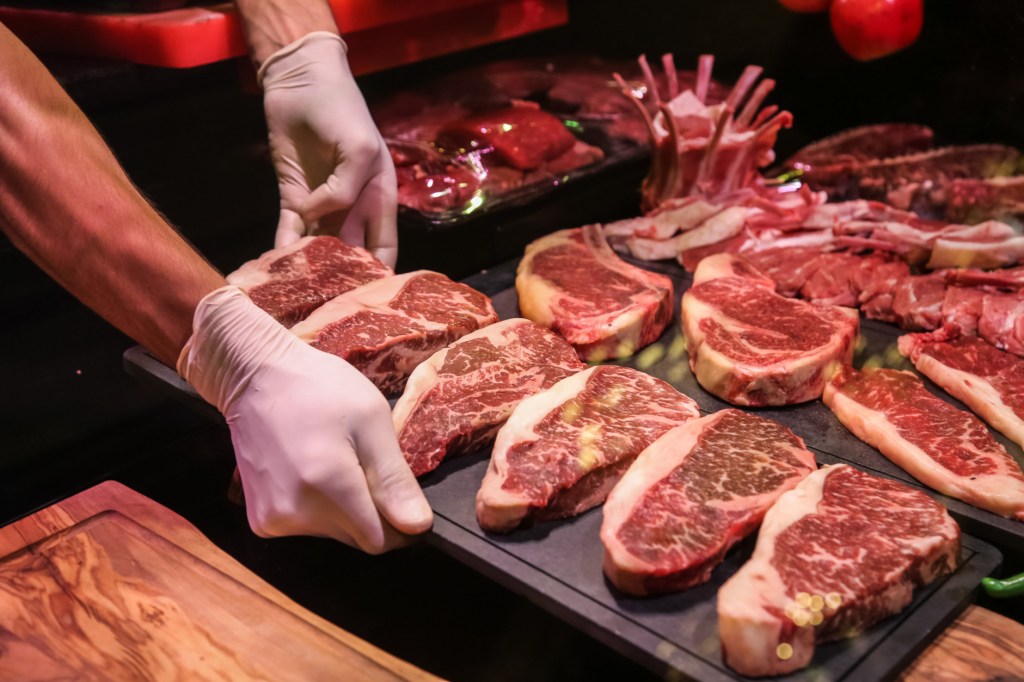
Protein is essential for building muscle mass and a lean figure, also proteins contribute to the reconstruction of cells and the synthesis of enzymes and hormones. The amount of protein intake varies depending on factors such as gender, age, body weight, body type, activity level. Athletes and anyone who does intense physical activity need more…
-
Funding of scientific articles by industry

In general, scientific articles are funded by various sources, such as international and national funds, private funds, research institutions. Funding can also come from government grants, organizations and foundations, as well as from special publications depending on the articles. Funding of scientific research and by extension scientific articles related to nutrition and dietary supplements can…
-
5 Food categories to Increase Testosterone levels

Testosterone is one of the most important hormones for men and quite important for women. Testosterone promotes the development of the genitals, the growth and maintenance of muscles, sexual desire, sperm production, mood, physical energy. Testosterone levels decrease with age, especially after the age of 40, and they also decrease due to an unhealthy lifestyle.…
-
Nutrition for Wilson Disease

Wilson’s disease is a rare genetic disorder characterized by the body’s inability to excrete copper, resulting in its accumulation in tissues, mainly in the liver and brain. Wilson’s disease can present with neurological, behavioral, and psychiatric symptoms. The most common neurological symptoms are gait and balance disorders, upper limb tremor, chorea, muscle stiffness, slowness of…
-
Ice cream – Tips and Tricks

Ice cream is a dessert that is usually made from milk cream, milk and sugar with many additional ingredients to give different flavors and textures. Additional ingredients can be butter, egg, flavorings, sweeteners, colorings, chocolate, vanilla, nuts, fruits, cookies, truffles, syrup, etc. Ice cream is a source of protein, fat, carbohydrates, contains fat-soluble vitamins (A,…
-
Avocado
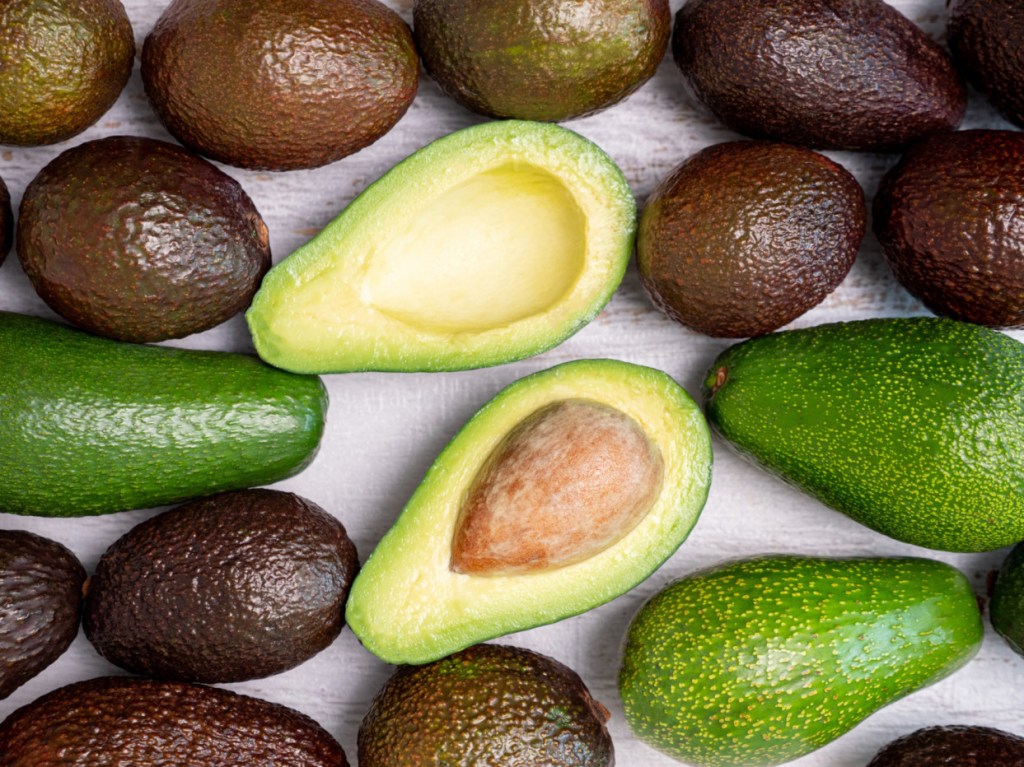
Avocado is a fruit with high nutritional value and several health benefits. 100 grams of avocado have 8.5 grams of carbohydrates (7 grams of fiber and only 0.5 grams of sugars, 2 grams of protein and almost 15 grams of fat (about 10 monounsaturated, 2.5 saturated and 2 polyunsaturated), it is a fruit with a…
 Diet gun