Category: Vegan/Vegetarian
-
When should we Not Eat Pears?

Pears are very nutritious fruits as they contain vitamins and minerals, antioxidants such as vitamin C and quercetin that help fight free radicals and reduce possible inflammation, they contain plant anthocyanins and cinnamic acid that help protect mainly from colon cancer and coronary heart disease, they have a low glycemic index and do not sharply…
-
3D Printing of PlantBased Meat – A Nightmare of the Future

3D printing is an emerging technology capable of producing plant-based “meat”. A recently published article (August 2025) in sciencedirect reviews the 3D analog printing of plant-based “meat”. This review summarizes and critically analyzes the scientific studies related to the 3D printing of plant-based “meat”. Plant proteins, oils and water are the main ingredients for the…
-
Cinnamon and its Amazing Benefits

Cinnamon is one of the most popular spices and is used in both cooking and confectionery. Almost every part of the cinnamon tree (root, leaves, bark, flowers and fruits) has medicinal properties. It contains essential oils and resinous derivatives such as cinnamaldehyde and cinnamic acid. Cinnamon is known to have many benefits for our body…
-
6 Phytochemicals and Their Positive Effects on Our Health
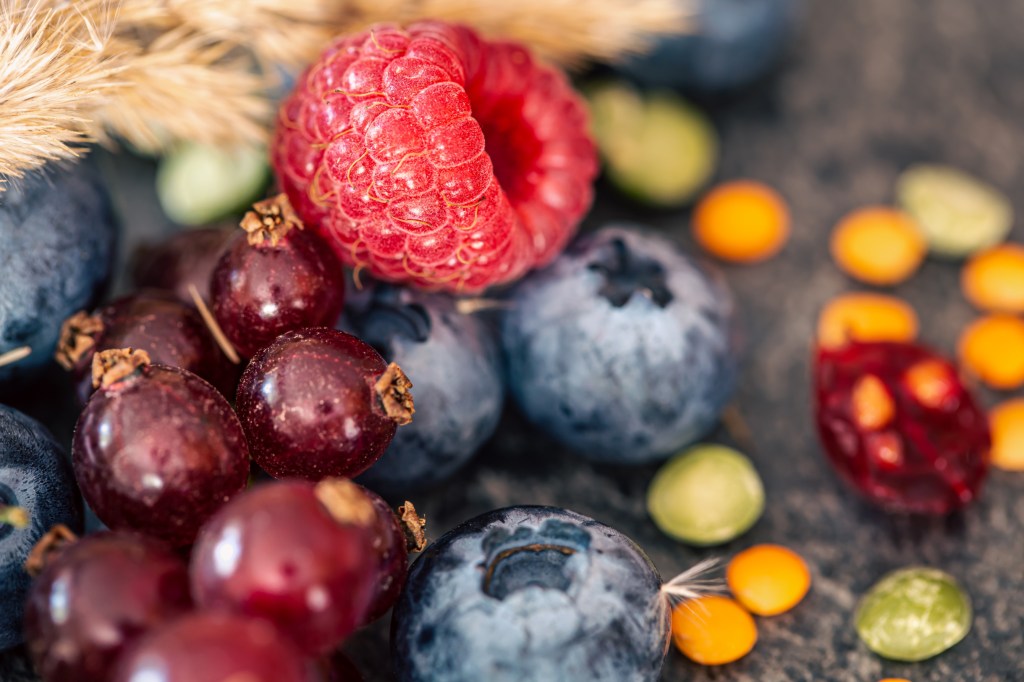
Phytochemicals are natural compounds found in plants to protect them from disease by contributing to their defense system. They also contribute to the color and flavor of plants. Phytochemicals are not essential elements for human life, but they have a positive effect on our health. A diet rich in phytochemicals has been associated with a…
-
Moderate Coffee Consumption Offers Lower Risk of Heart Disease

A new study published in June 2025 in The Journal of Clinical Endocrinology & Metabolism suggests that MODERATE coffee consumption due to the caffeine it contains could be beneficial for preventing diseases such as coronary heart disease. The study examined data from 360,000 people aged between 37 and 73 years, with 99.5% of the people…
-
5 Cereals that contain Protein
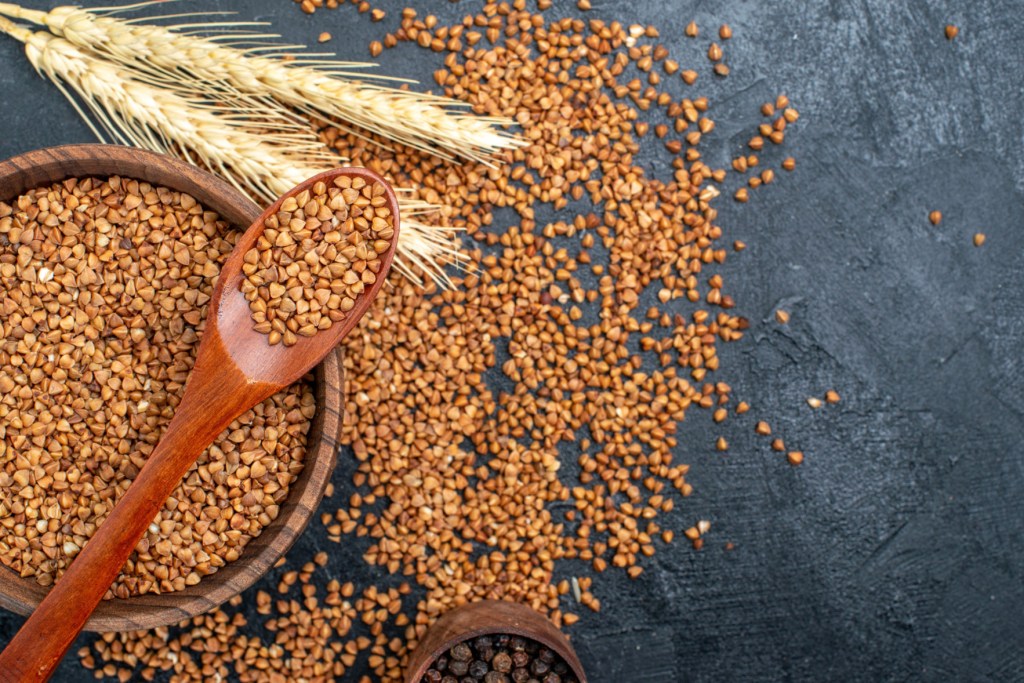
The most well-known sources of protein are meat, fish and seafood, eggs, cheese and dairy products. However, there are also some plant-based options such as legumes that contain high levels of protein, as well as some cereals that contain more protein than other cereals. The amount of protein they contain is not huge compared to…
-
Vitamin B12

Vitamin B12 (also known as cobalamin) is a water-soluble vitamin involved in the metabolism of every cell in the human body, especially in the formation of red blood cells, the functioning of the nervous system, and the synthesis of DNA. Vitamin B12 is found ONLY in foods of animal origin and its absorption depends on…
-
Sugar, is it Safe? and How Much Can we Eat Per Day?

The World Health Organization guideline for the intake of free sugars (monosaccharides such as glucose and fructose and disaccharides such as sugar, added to foods by the manufacturer, cook or consumer, and sugars naturally present in honey, syrups, fruit juices) in adults and children is to reduce it to less than 10% of total energy…
-
Anti-Inflammatory Nutrition

Inflammation is our body’s defense mechanism against incoming external threats such as stress, bacterial or viral infections, and toxic chemicals. This inflammatory response essentially aims to fight and destroy these substances from the body. If our body’s immune cells begin to overreact (which is common), inflammation can turn against the body itself. This creates chronic…
-
5 Gifts of Nutrients

Nutrients are substances that are essential for the growth and functioning of an organism. If they are not taken in sufficient quantities for a certain period of time, damage is caused to the body, possibly serious and permanent. Nutrients are divided into macronutrients and micronutrients. Macronutrients are called nutrients that provide energy, such as carbohydrates,…
 Diet gun