Tag: folic acid
-
Increased Homocysteine, Coronary Heart Disease and Nutrition
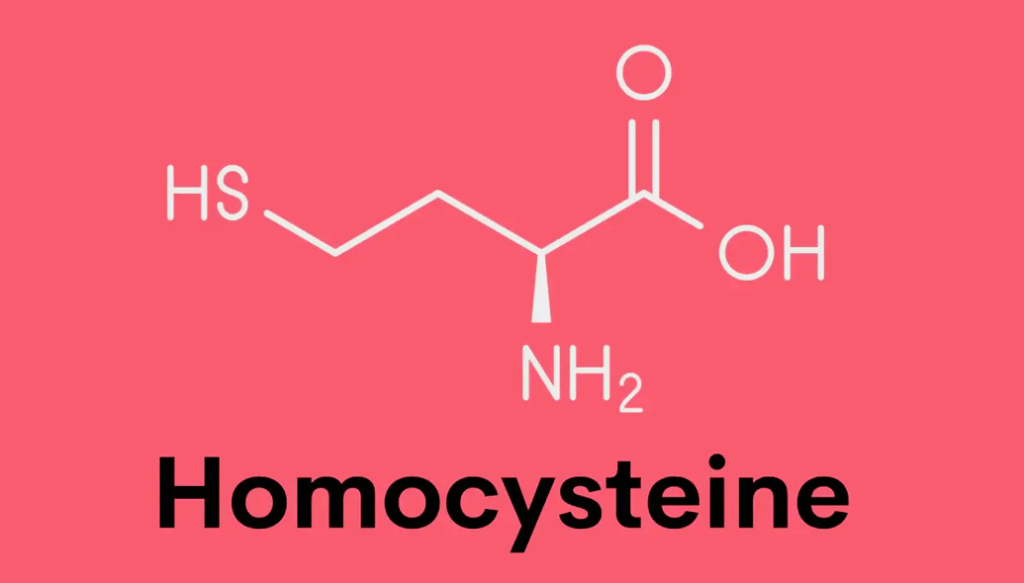
Homocysteine is an amino acid that is associated with the metabolism of the amino acid methionine and is a precursor of the amino acid cysteine. Increased blood homocysteine (hyperhomocysteinemia) has been associated with acute coronary syndrome and is an indicator of increased risk for thromboembolic events such as acute myocardial infarction, ischemic stroke and pulmonary…
-
Latest News on Nutrition in Endometriosis

Endometriosis is a chronic inflammatory condition in which tissue similar to the endometrium (the thin inner lining of the uterus) grows in abnormal areas outside the uterus, such as the ovaries, fallopian tubes, bladder, and bowel. Endometriosis can cause severe abdominal pain, bleeding, pain during intercourse, and infertility. Its frequency is estimated at 1 in…
-
Beets – a very nutritious vegetable

Beets is a bulbous vegetable and contains many nutrients such as vitamins A, C, B6, folic acid, potassium, sodium, iron, magnesium, phosphorus, calcium, a good amount of protein 1.6 grams per 100 grams, 9.6 grams of carbohydrates of which 2.6 are fiber. They contain about 50 calories per 100 grams. Benefits of beets Beets has…
-
Vitamin Toxicity Dosage

Usually, excessive intake of vitamins is done from vitamin supplements and not from food and can lead to health complications. The toxicity of most known vitamins when they accumulate in the body is mentioned below. Vitamin A Vitamin A (retinol) toxicity can be acute or chronic. Acute toxicity can be caused by accidental ingestion of…
-
Vitamins and Minerals for Women of Reproductive Age

Adult women of reproductive age, that is, women from the end of puberty to menopause, in addition to the needs they have as adults, also have specific nutritional needs due to menstruation and other factors. These specific nutritional needs in vitamins and minerals are the following: Calcium and vitamin D Calcium and vitamin D are…
-
Foods for a better Breastfeeding

During breastfeeding, the breastfeeding mother should follow a balanced diet with a variety of foods and adequate hydration. The coverage of the breastfeeding mother in components such as calcium, folic acid, vitamin D3, iron, iodine, omega-3 fatty acids is important for successful milk production during the breastfeeding period. Foods that enhance milk production in breastfeeding…
-
Foods to increase White Blood Cells (WBC)

Blood is made up of different types of cells, including white blood cells, or leukocytes. White blood cells are a key part of the immune system, helping to fight disease and infection. Our bodies rely on their immune system to fight off invaders called antigens, which include bacteria, viruses, and allergens. White blood cells attack…
-
Tips for better Absorption of Vitamins
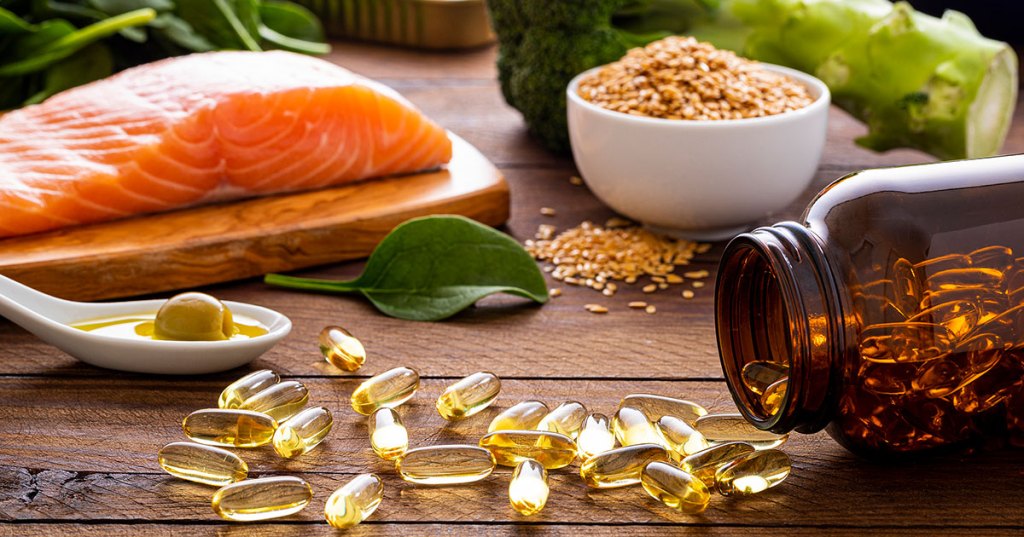
Vitamins are organic molecules essential for our metabolism. The way we take vitamins can affect their absorption and effectiveness. Vitamin absorption occurs in the intestine. Impaired intestinal absorption of vitamins can be due to factors such as intestinal disease, genetic disorders of transport molecules, excessive alcohol consumption, and drug interactions. Absorption of water-soluble vitamins (B…
-
Lentils, 1 of the top legumes

The lentil is one of the first plants that man began to systematically cultivate. It is an annual bushy plant and is known for its fruits and is sold as a dry legume. There are many varieties, the best known are the Brown Spanish pardina, the French green Le Puy, the black beluga, the green…
 Diet gun