Tag: fruits
-
7 Tips for a Healthy and Balanced Plant-Based Diet

Not all plant-based diets are healthy. Frequent consumption of foods with a high carbohydrate content such as pasta, potatoes, sweets to create a feeling of fullness is definitely unhealthy. Insufficient consumption of natural plant-based protein foods such as legumes and nuts is also something that should concern us as it is certain that we will…
-
Truth or False about Foods and Nutrition

1. We can only eat vegetables or only fruits (or vice versa) because they are the same foods. False Vegetables have nutrients that fruits do not have, such as high fiber content and several vitamins and minerals. They help in the proper functioning of the digestive system and help in better weight management. Fruits also…
-
Celiac – Foods that DOES NOT contain Gluten

Gluten is a protein found in wheat, rye and barley. Any food made from wheat, barley or rye products contains gluten, some foods less and some more. Many people are sensitive to gluten, that is, to all products that contain it, but they do not cause damage to the small intestine as they do to…
-
Fruits or vegetables or… both ? Do they have differences?
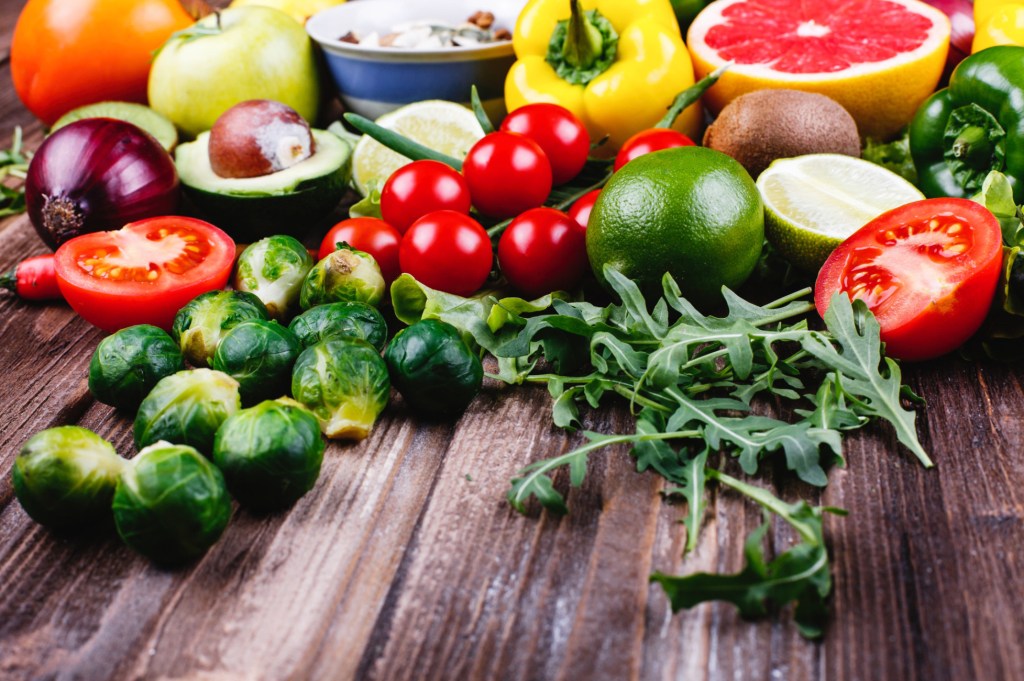
Fruits and vegetables are usually classified based on their botanical structure. Fruits contain seeds and come from the flowering part of the plant. Vegetables are the edible parts of a plant, its leaves or roots, its bulbs, its stems. Both fruits and vegetables contain mainly vitamins, minerals, fiber and other nutrients. Botanists classify certain “savory”…
-
Ice cream – Tips and Tricks

Ice cream is a dessert that is usually made from milk cream, milk and sugar with many additional ingredients to give different flavors and textures. Additional ingredients can be butter, egg, flavorings, sweeteners, colorings, chocolate, vanilla, nuts, fruits, cookies, truffles, syrup, etc. Ice cream is a source of protein, fat, carbohydrates, contains fat-soluble vitamins (A,…
-
Sugar and Headaches. Is there a connection?

Too much sugar or too little sugar in our diet can cause headaches. Blood sugar levels (from too much or too little sugar) and hormonal changes can be responsible for the presence of headaches, and sugar can affect both. Excessive intake of sugar or processed carbohydrates in meals can lead to hyperglycemia, i.e. high blood…
-
Antioxidant Intake from Food or Supplements ?

Antioxidants are substances that protect our cells from the effects of free radicals, thus contributing to the prevention of diseases. Free radicals are produced by our own body, mainly during metabolism, but their excessive accumulation in the body exceeds the body’s ability to neutralize them and is believed to be the main cause of worsening…
-
5 Important Reasons to Limit Sugar Intake

Frequent and excessive sugar consumption is harmful to our health, as in the long term it will create problems such as weight gain, heart disease, diabetes, etc. The natural sugars contained in a balanced diet in foods such as fruits, vegetables, dairy products are essential because they are….natural! These foods, along with the natural sugars…
-
The 5:2 Diet

The 5:2 diet means eating a normal amount of food (not excessive) 5 days of the week and 2 days of eating a very small amount. The 2 days that we will eat a very small amount of food should NOT be consecutive days. In the 5:2 diet, the normal amount of food that we…
-
Vitamins and Minerals for Women of Reproductive Age

Adult women of reproductive age, that is, women from the end of puberty to menopause, in addition to the needs they have as adults, also have specific nutritional needs due to menstruation and other factors. These specific nutritional needs in vitamins and minerals are the following: Calcium and vitamin D Calcium and vitamin D are…
 Diet gun