Tag: osteoporosis
-
Celiac – Foods that DOES NOT contain Gluten

Gluten is a protein found in wheat, rye and barley. Any food made from wheat, barley or rye products contains gluten, some foods less and some more. Many people are sensitive to gluten, that is, to all products that contain it, but they do not cause damage to the small intestine as they do to…
-
Consequences of Excessive Protein Intake
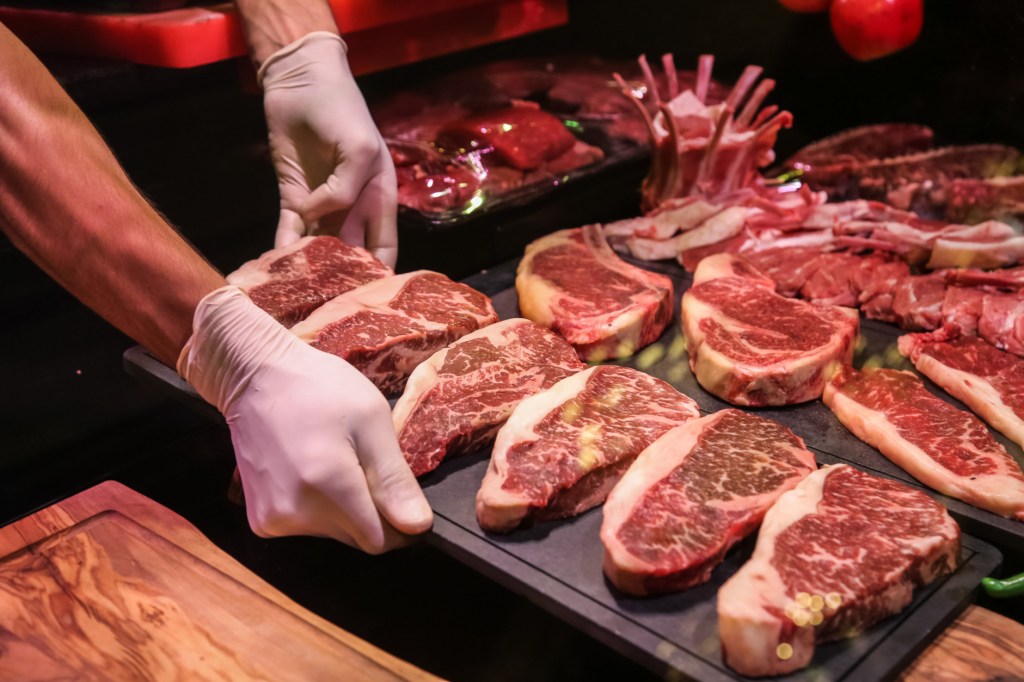
Protein is essential for building muscle mass and a lean figure, also proteins contribute to the reconstruction of cells and the synthesis of enzymes and hormones. The amount of protein intake varies depending on factors such as gender, age, body weight, body type, activity level. Athletes and anyone who does intense physical activity need more…
-
Nutrition for Wilson Disease

Wilson’s disease is a rare genetic disorder characterized by the body’s inability to excrete copper, resulting in its accumulation in tissues, mainly in the liver and brain. Wilson’s disease can present with neurological, behavioral, and psychiatric symptoms. The most common neurological symptoms are gait and balance disorders, upper limb tremor, chorea, muscle stiffness, slowness of…
-
Lemons

Lemons are a well-known fruit mainly because we use them in small quantities to add flavor to baked goods, sauces, salad dressings, desserts, drinks, etc. but also for their vitamin C content. A lemon weighing approximately 60-65 grams can contain over 30 milligrams of vitamin C. Vitamin C is essential for health as its deficiency…
-
3 categories of foods with vitamin K for the effectiveness of anticoagulant drugs

Vitamin K is a fat-soluble vitamin that is essential for modifying proteins required for blood clotting, supports the maintenance of normal bone condition and reduces the risk of osteoporosis and bone fractures. Patients with serious heart problems such as heart failure, atrial fibrillation, coronary artery disease, who have suffered a myocardial infarction or stroke or…
-
Vitamin D

Vitamin D is a fat-soluble vitamin that has the unique property of being able to be produced by the body from sunlight and does not depend solely on its intake through diet. Vitamin D is essential for the absorption and maintenance of calcium and phosphorus from bones and teeth, thus contributing to the maintenance of…
-
Alkaline foods & nutrition ? true or false ?

The stability of the pH of our body fluids constitutes the acid-base balance of the body, the maintenance of which is essential for its smooth functioning. Normally, the pH of the blood ranges between 7.35 – 7.45, that is, slightly alkaline. When the pH balance is below 7.35 or becomes even worse acidic below 7.00,…
 Diet gun