Tag: Protein
-
Low Sodium = Poor Cognitive Function in the Elderly

During the aging process and since we try to keep sodium retention reduced to prevent cardiac hypertension and possible kidney disease, it becomes difficult to maintain sodium balance in the body. Low sodium in the body, or hyponatremia, has been shown to increase the risk of falls by contributing to neurocognitive dysfunction, which can cause…
-
Top 5 Health Benefits of Sardines

Sardines are small, oily fish that belong to the same family as herring and anchovy. They can be purchased fresh, frozen or canned. Sardines are an excellent addition to a balanced diet, as they are low in saturated fat and calories, but high in protein. They also contain a variety of vitamins and minerals. The…
-
Protein Needs in Athletes

Protein adequacy remains a cornerstone of sports nutrition, consistently supporting muscle recovery, adaptation, and performance in all athletes. Total daily protein intake is a determining factor for positive results in any sport, while the timing, distribution, and type of protein further enhance the benefits for athletes. This article will outline the basic protein needs of…
-
Warfarin and its Interaction with Food

Warfarin is a substance with potent anticoagulant activity. It is used to treat or prevent thromboembolic events by inhibiting blood clotting. Patients taking warfarin are at risk of interactions with dietary supplements, however 30% of patients use herbal or natural product supplements on a regular basis. There is a potential interaction between warfarin and a…
-
5 Cereals that contain Protein
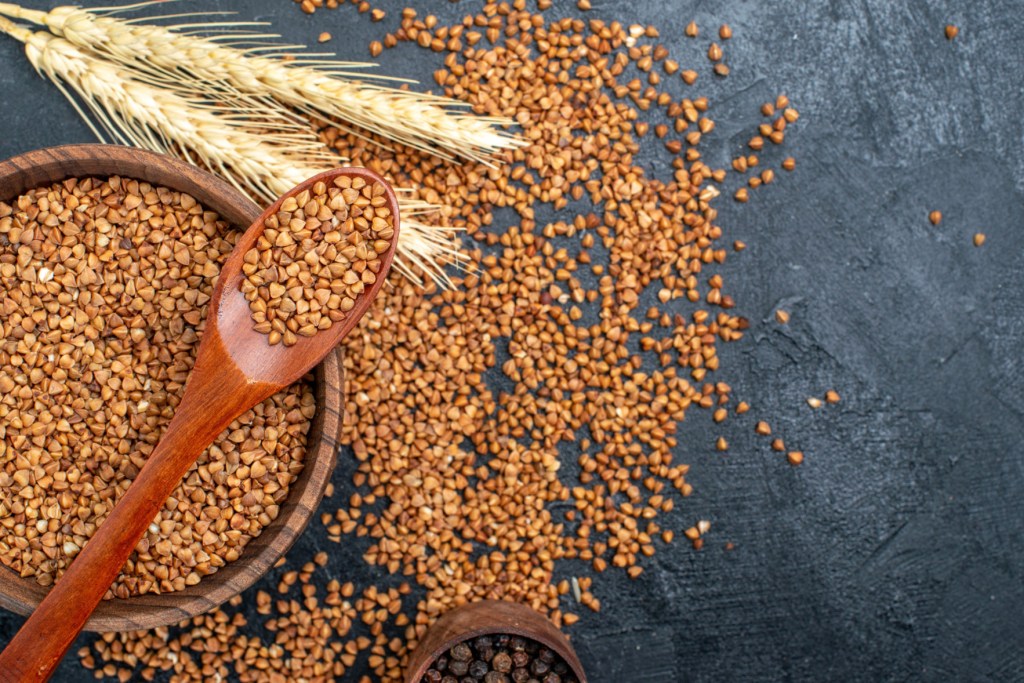
The most well-known sources of protein are meat, fish and seafood, eggs, cheese and dairy products. However, there are also some plant-based options such as legumes that contain high levels of protein, as well as some cereals that contain more protein than other cereals. The amount of protein they contain is not huge compared to…
-
Egg White, Excellent High-Quality Protein

Eggs have nutrients that help improve cognitive function and body composition. If we consume only the egg white, the nutritional value of the egg will change significantly as the lipids and most of the vitamins and minerals are found in the egg yolk. The egg white has about 10% protein, meaning in a large 50-gram…
-
4 Symptoms of a Nutrient Deficiency

A deficiency in the body of micronutrients (i.e. vitamins, minerals and trace elements) is not always as noticeable as a deficiency in macronutrients (i.e. proteins, carbohydrates, fat and water). Usually, a period of time has passed since the body has been deficient in micronutrients before we realize it with certain symptoms that appear. Macronutrients and…
-
Beets – a very nutritious vegetable

Beets is a bulbous vegetable and contains many nutrients such as vitamins A, C, B6, folic acid, potassium, sodium, iron, magnesium, phosphorus, calcium, a good amount of protein 1.6 grams per 100 grams, 9.6 grams of carbohydrates of which 2.6 are fiber. They contain about 50 calories per 100 grams. Benefits of beets Beets has…
-
Quinoa
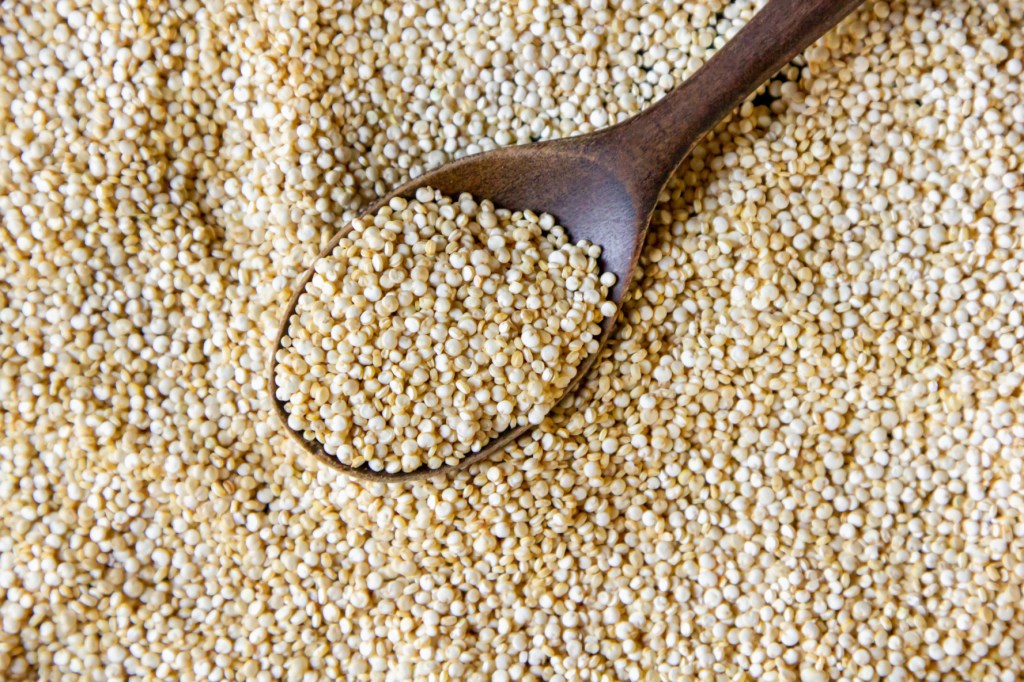
Quinoa is a food rich in nutrients. It is considered a grain like barley or wheat but is a pseudocereal as it is essentially a seed and not the fruit of the plant. There are mainly 3 different types of quinoa, black, red and white seeds. One cup (200 grams) of cooked quinoa without oil…
-
Truth or False about Foods and Nutrition

1. We can only eat vegetables or only fruits (or vice versa) because they are the same foods. False Vegetables have nutrients that fruits do not have, such as high fiber content and several vitamins and minerals. They help in the proper functioning of the digestive system and help in better weight management. Fruits also…
 Diet gun