Tag: zinc
-
Iron Deficiency Anemia and its Relationship to Zinc

Iron deficiency anemia accounts for over 60% of the global incidence of anemia. Among women of reproductive age (aged 15-49 years), the percentage of the global incidence of anemia due to iron deficiency anemia ranges from 35% to 71%, and among preschool children (aged under 4 years), it ranges from 30% to 58%. Due to…
-
Red Meat Consumption in Higher Healthy Eating Index (HEI) Diets Improves Brain Health

New research published on September 29, 2025 in the journal Nature and titled Red meat consumption in higher healthy eating index diets is associated with brain health critical nutritional adequacy, and fecal microbial diversity, showed that red meat consumption in a high HEI (Healthy Eating Index) diet improves the adequacy of micronutrients that support brain…
-
4 Symptoms of a Nutrient Deficiency

A deficiency in the body of micronutrients (i.e. vitamins, minerals and trace elements) is not always as noticeable as a deficiency in macronutrients (i.e. proteins, carbohydrates, fat and water). Usually, a period of time has passed since the body has been deficient in micronutrients before we realize it with certain symptoms that appear. Macronutrients and…
-
7 Food Categories for Fast Recovery after Surgery

After surgery and since we do not have to follow a specialized diet plan due to the operation, we must eat healthy foods that will help our body heal. A balanced intake of the right nutrients will help speed up our recovery and avoid complications related to nutrition. The following food categories are ideal to…
-
5 Food categories to Increase Testosterone levels

Testosterone is one of the most important hormones for men and quite important for women. Testosterone promotes the development of the genitals, the growth and maintenance of muscles, sexual desire, sperm production, mood, physical energy. Testosterone levels decrease with age, especially after the age of 40, and they also decrease due to an unhealthy lifestyle.…
-
Nutrition for Wilson Disease

Wilson’s disease is a rare genetic disorder characterized by the body’s inability to excrete copper, resulting in its accumulation in tissues, mainly in the liver and brain. Wilson’s disease can present with neurological, behavioral, and psychiatric symptoms. The most common neurological symptoms are gait and balance disorders, upper limb tremor, chorea, muscle stiffness, slowness of…
-
Nutrition for UTI (Urinary Tract Infection)
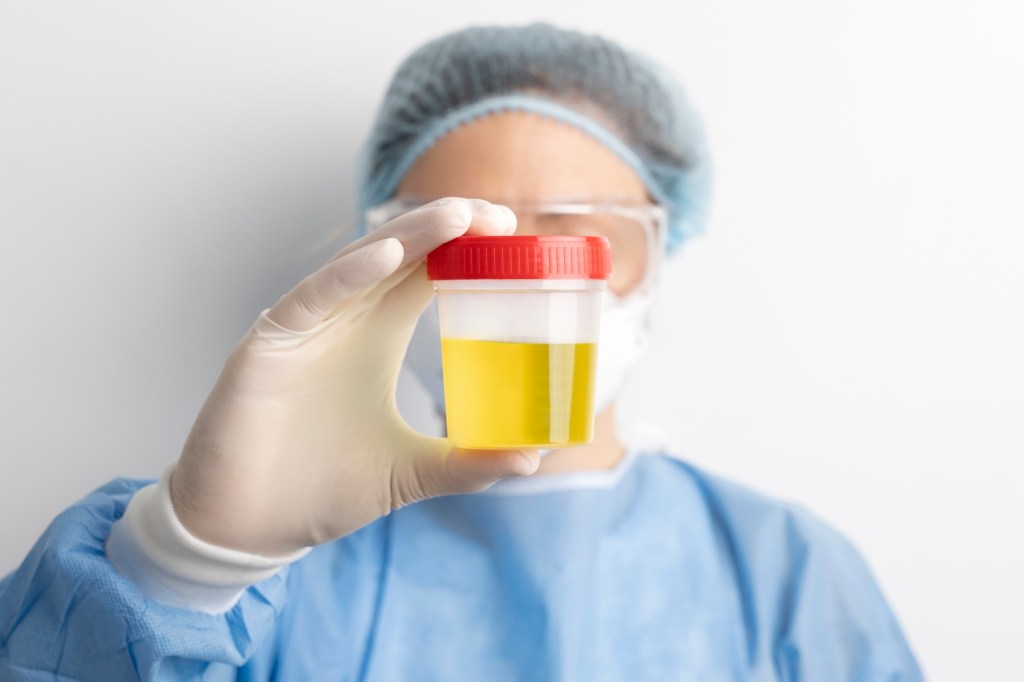
Urinary tract infection is an infection in any part of the urinary tract, most often occurring in the lower urinary tract, i.e. the bladder and urethra. The bacterium E. coli is the main cause of urinary tract infections, as it is found in 80% of cases. Especially in women, cystitis (which usually comes from E.…
-
Antioxidant Intake from Food or Supplements ?

Antioxidants are substances that protect our cells from the effects of free radicals, thus contributing to the prevention of diseases. Free radicals are produced by our own body, mainly during metabolism, but their excessive accumulation in the body exceeds the body’s ability to neutralize them and is believed to be the main cause of worsening…
-
What is and what does Nutrition include?

Nutrition is the set of foods that we choose to consume not only to maintain ourselves in life but to have good health as well as to help them in impending diseases. Health is the state of complete physical, mental and social well-being, and not merely the absence of disease or disability. The nutrients in…
-
Vitamins and Minerals for Women of Reproductive Age

Adult women of reproductive age, that is, women from the end of puberty to menopause, in addition to the needs they have as adults, also have specific nutritional needs due to menstruation and other factors. These specific nutritional needs in vitamins and minerals are the following: Calcium and vitamin D Calcium and vitamin D are…
 Diet gun