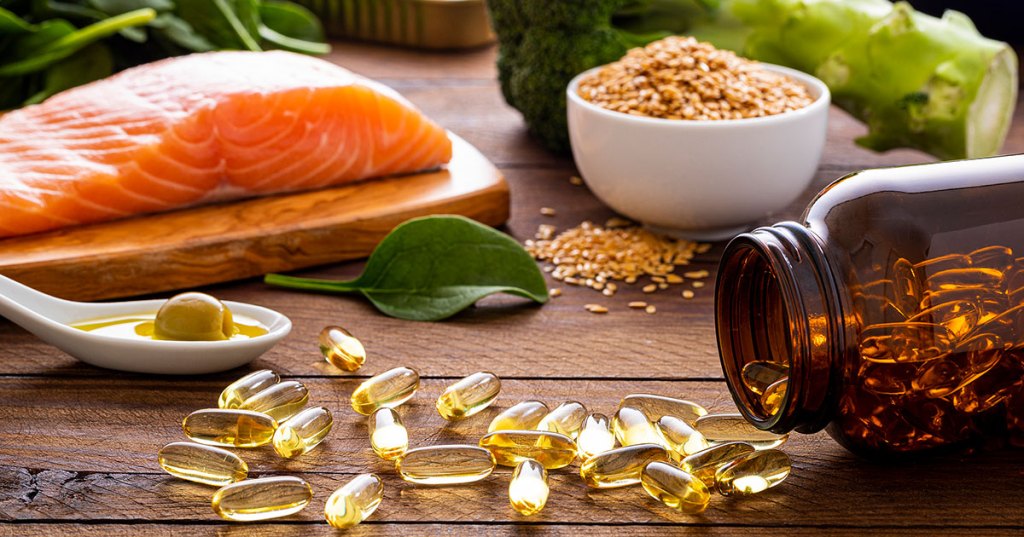
Vitamins are organic molecules essential for our metabolism.
The way we take vitamins can affect their absorption and effectiveness.
Vitamin absorption occurs in the intestine. Impaired intestinal absorption of vitamins can be due to factors such as intestinal disease, genetic disorders of transport molecules, excessive alcohol consumption, and drug interactions.
Absorption of water-soluble vitamins (B complex and vitamin C)
The water-soluble vitamins biotin, folic acid, pantothenic acid, riboflavin, and thiamine are available for intestinal absorption from two sources: from the diet (or from supplementation) and from synthesis by microbes in the large intestine.
Niacin can be synthesized in the body from tryptophan, but it is also absorbed in the intestine from the diet.
Vitamin C (ascorbic acid) must be obtained from food.
Water-soluble vitamins that we get from our diet are absorbed mainly in the small intestine, while those that are synthesized by microbes in the large intestine are better absorbed without the simultaneous intake of food, on an empty stomach, better when we wake up in the morning or between meals.
Water-soluble vitamins in large doses (through supplementation) are less likely to cause toxicity, because the body excretes the excess amount that it cannot absorb in the urine.
Absorption of fat-soluble vitamins (A, D, E, K)
Fat-soluble vitamins are absorbed from the intestinal lumen using the same mechanisms used for lipid absorption and are stored in body fat. Because the body cannot excrete the excess amount that it cannot absorb in the urine, excess intake is concentrated in fat. If taken in large amounts over a long period of time, fat-soluble vitamins can cause toxicity in the body.
Fat-soluble vitamins in supplement form should be taken with a meal containing fat, to enhance their absorption and never on an empty stomach.
Practical tips for better absorption of vitamins.
Large amounts of water-soluble B vitamins for therapeutic use, through a supplement, are best taken with food and let some of their absorption be lost. Large doses, if taken only with water, without the presence of food, can cause stomach pain.
Water-soluble vitamin C enhances the absorption of iron from plant sources, that is, if we take an iron supplement, it will be better absorbed with orange juice or if we eat a kiwi (both of which have vitamin C).
Fat-soluble vitamin D enhances the absorption of calcium from foods, that is, if we take a vitamin D supplement, it is better to do it with a meal that contains calcium, e.g. a meal that also contains cheese.
Alcohol in large quantities creates malabsorption of nutrients, such as fat, fat-soluble vitamins and folic acid.
Baking soda, if used to boil legumes better and faster, largely destroys the thiamine (vitamin B1) they contain.
High temperatures destroy much of the folic acid contained in foods, i.e. legumes, spinach, broccoli, asparagus should not be cooked at high temperatures.
Contraceptives reduce the absorption of vitamin B6, folic acid.
Lipid-lowering drugs reduce the absorption of fat-soluble vitamins.
Chronic use of laxatives reduces the absorption mainly of water-soluble vitamins, because they cause rapid passage of food through the gastrointestinal tract.


 Diet gun
Leave a reply to princedelicately35dd0ad8eb Cancel reply