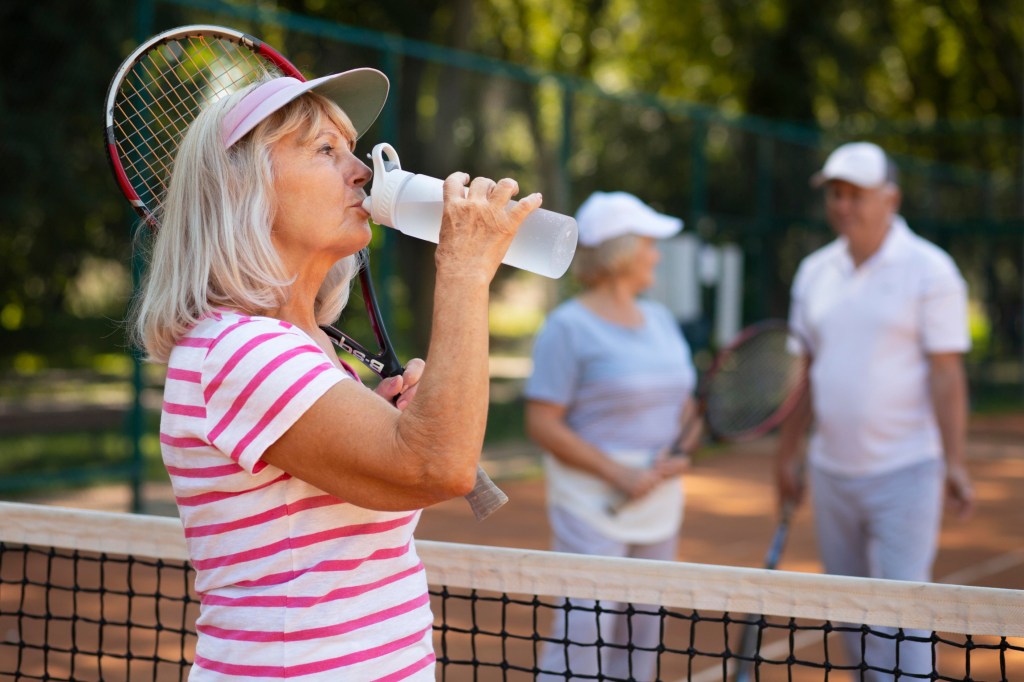
Hydration is important throughout our lives.
Aging alters our ability to regulate and retain water in our bodies.
As we age, our total body water decreases, our thirst decreases, resulting in less desire to hydrate. Due to inadequate hydration, water and nutrient absorption is altered, and our ability to regulate water and sodium levels in our bodies is reduced.
Dehydration in aging can significantly impact quality of life by creating changes in cognitive and physical functions, resulting in poor health and the onset of disease.
Hydration should be encouraged and monitored regularly using simple methods at home, such as monitoring changes in body weight (especially after physical activity), monitoring urine output, and observing urine color.
Some easy-to-follow hydration tips are as follows:
1. Regular fluid intake throughout the day
To promote adequate hydration, consistent fluid intake should be encouraged, including offering water with meals, between meals, and during medication administration.
2. Fluid consumption before, during, and after activity
For older adults who continue to participate in regular and strenuous activity or exercise during the 2 to 4 hours prior to activity, individuals should consume 4-8 ml of water per kilogram of body weight.
Consuming small amounts of fluid during vigorous activity or exercise helps to compensate for sweat loss.
After physical activity, hydration is important to replenish both fluid and electrolytes that have been lost.
A general guideline is to consume approximately 1.5 times the amount of fluids lost during exercise. You should monitor your weight before and after exercise to make a positive assessment of this loss.
3. Electrolytes
Electrolytes (sodium, potassium, magnesium, chloride) play a critical role in maintaining fluid balance and retention in the body.
Sports drinks rich in electrolytes are especially important during prolonged physical activity or in hot environments where significant sweat loss is observed.
You can also make your own electrolyte drink by putting electrolyte sticks or effervescent tablets in water.
4. Carbohydrates
Small amounts of carbohydrates, such as glucose, are included in hydration solutions such as sports drinks to provide energy and to improve water and electrolyte absorption and add flavor to encourage consumption.
Typical sports drinks contain about 6-8% carbohydrates in solution, including glucose, fructose, sucrose, and maltodextrin, which are rapidly digested.
Sports drinks that use a mixture of carbohydrates such as glucose and sucrose improve intestinal absorption because different sugars are absorbed through different pathways, leading to better muscle replenishment and enhanced performance. Carbohydrates also help maintain blood sugar levels during prolonged periods of activity.
5. Amino Acids
Drinks containing amino acids or dipeptides can significantly improve fluid balance (facilitating the absorption of sodium and water in the small intestine) resulting in improved fluid retention after consumption, eliminating dehydration.
Also, amino acid supplements, due to their ability to increase anabolic hormone levels, support energy metabolism, enhance mental endurance and reduce muscle soreness after exercise or strenuous activity, help in faster recovery.
When amino acids are combined with electrolytes, they offer hydration benefits comparable to traditional carbohydrate-type electrolyte drinks, making them more favorable for individuals who choose to limit their carbohydrate intake.
6. Allulose
Allulose is a rare sugar used as a low-calorie sweetener and is found in small traces in fruits such as figs and raisins. Allulose is useful in hydration products for those managing calorie or sugar intake and serves as a practical alternative to high-fructose beverages, helping people stay hydrated without the added sugars as allulose has minimal impact on blood glucose and prevents the onset of hyperinsulinemia, hyperglycemia, and insulin resistance.
A standardized daily methodology for optimal hydration intake and monitoring is important for more consistent evaluation of the various interventions we can make for better hydration.
It is not necessary to implement all the advice we mentioned, but it is important to follow a daily pattern, a habit, in our hydration, especially since as older adults (or maybe as super seniors citizens) we still have intense activity, helping our body avoid dehydration by functioning better, resulting in better health.
Source of the article
Articles that may help
1. 7 Water Intake Advice in Elderly
2. Water and human body
3. Carbonated (Sparkling) Water
4. Does Dementia Affect Appetite? YES it does!
 Diet gun
Leave a comment