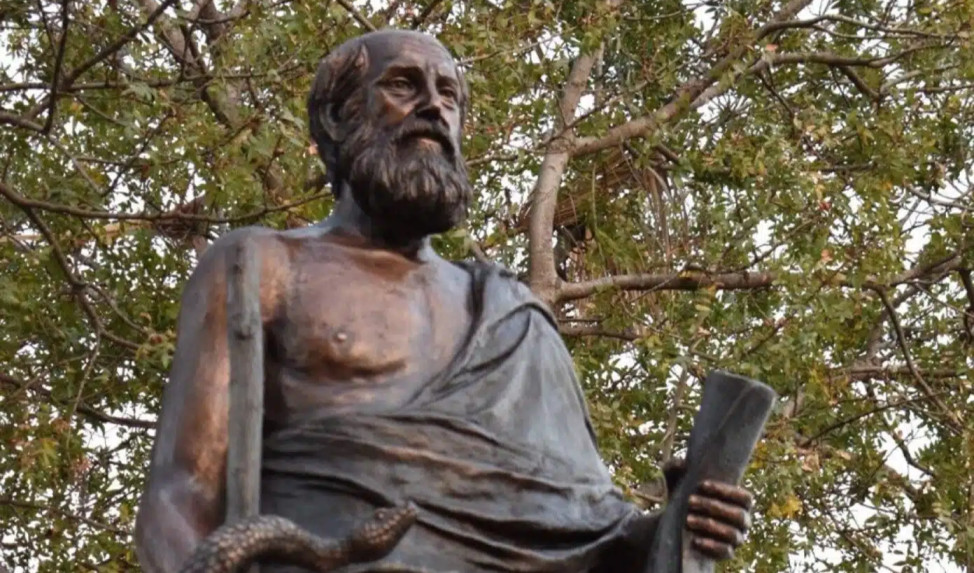
“Many people, when they hear someone analyze a subject, refuse to listen to someone else analyze the same subject. They do not know that the mind can understand what has been said correctly and discover for itself what has not yet been said.”
“I believe that anyone who is going to write correctly about human nutrition must first know the elements of which it is composed from the beginning and distinguish by which parts it is controlled. If he is ignorant of its original composition, he will not be able to understand what those ingredients cause. If he does not know what prevails in the body, he will not be able to recommend a beneficial treatment to man. He must also know the role played by all the foods and drinks that make up our diet, what properties each one has from nature itself, the need of man and how to use them.
One must know how to limit the power that nature has given to strong substances and how to add power to weak substances through processing, always according to the case.
But even if we acquire knowledge about all this, the treatment of man is not sufficiently ensured, because food alone is not enough to maintain man in good physical condition, if it is not combined with exercise.”
“If it were possible to determine for each person the amount of food and the corresponding physical exercise, without exaggeration towards excess or deficiency, then the right way would have been found to ensure human health.
It is a fact that if there is even a very small disproportion between food and exercise, the body is inevitably exhausted over time from abuse and becomes ill.
Diseases do not appear in people suddenly, but accumulate gradually and manifest themselves abruptly.”
According to Hippocrates, nutrition should be determined according to the seasons of the year, climatic conditions and weather changes, the age of the person and his temperament in general. Human habits are also important in determining nutrition. The role played by the individual factor and the avoidance of formulating absolute rules with universal validity is one of the greatest achievements of Hippocratic medicine.
For Hippocrates and his students, and later for Hippocratic physicians, it was their duty to both treat diseases and guide people with the appropriate diet and exercise to stay healthy.
That is, for Hippocrates and Hippocratic physicians, maintaining health was just as important as treating diseases.
Today’s medicine has a completely different concept of prevention. It does not inform people how to stay healthy with proper diet and exercise but focuses on early diagnosis. Yes, early diagnosis helps in quickly dealing with the problem, but preventing the problem is always better than solving it.


 Diet gun
Leave a reply to cz09 Cancel reply