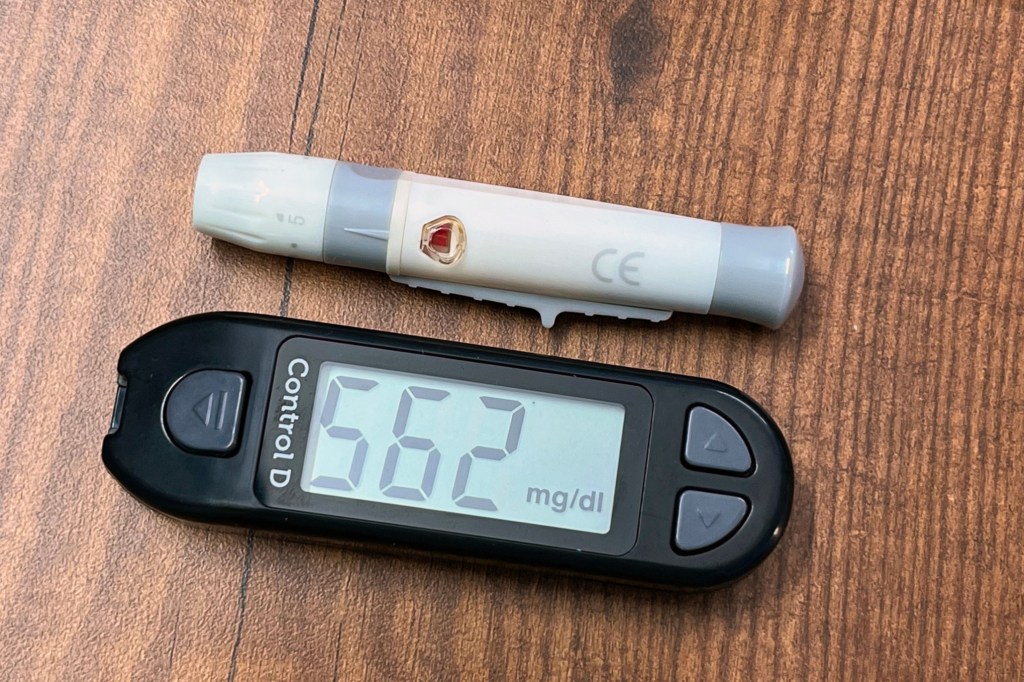
Hyperglycemia (an abnormal increase in blood sugar) is a common and significant side effect during chemotherapy and broader oncological treatment. It can occur in patients who already had diabetes mellitus, as well as in individuals with no prior history (secondary diabetes or diabetes induced by oncological treatment).
Primary causes include the use of medications such as dexamethasone or prednisolone, which are almost always administered alongside chemotherapy to prevent nausea or allergic reactions, or as part of the treatment protocol itself. Furthermore, newer targeted therapies, such as PI3K inhibitors and mTOR inhibitors, directly affect blood glucose metabolism.
The physical and psychological stress associated with the disease, as well as any concurrent infections that may arise, lead to an increase in stress hormones (such as cortisol), which in turn elevate blood sugar to abnormal levels. Uncontrolled hyperglycemia during cancer treatment can increase the risk of infections, as high blood sugar weakens the immune system which is already compromised by the cancer treatment itself. It can also cause dehydration and interfere with the treatment, potentially leading to delays in chemotherapy cycles or a reduction in the dosage of essential medications.
Management and Treatment
Frequent blood glucose monitoring is important; if hyperglycemia occurs, the patient’s medication regimen may need to be adjusted.
A diet that prioritizes meals with a low glycemic index and complex carbohydrates which are absorbed slowly by the body and help maintain stable energy levels while avoiding simple, processed sugars, is essential. Such an approach helps manage hyperglycemia without depriving the patient of the calories necessary for strength and recovery and, consequently, facilitates the more effective administration of chemotherapy. Higher consumption of vegetables thanks to their fiber content, which prevents sharp and significant spikes in blood glucose levels as well as olive oil and proteins, was also associated with a lower likelihood of hyperglycemia.
Sources and articles that may help:
Associations of Dietary Patterns, Daily Nutrient Intakes, and Food-Group Intakes with Hyperglycemia in Patients Undergoing Chemotherapy
Hyperglycemia in Oncology Care: Applying New Guidance in Clinical Practice
Diabetes Management During Cancer Treatment
Acute Hyperglycemia Associated with Anti-Cancer Medication
Optimal hyperglycemia thresholds in patients undergoing chemotherapy: a cross sectional study of oncologists’ practices
The Management of Glycaemic Control
in Patients with Cancer
A guideline for the outpatient management of glycaemic control in people with cancer
Protein and Diabetes: How Does Protein Affect Blood Sugar?
Dietary Protein and the Blood Glucose Concentration
Olive oil may offer diabetes protection
Olive Oil Polyphenols: A Promising Approach for Cancer Prevention and Therapy
Non-Starchy Vegetables – Glucose Level – Glycemic Index (GI) – Glycemic Load (GL)
PROTEIN FOODS and the amount of protein, carbs and lipids in them


Leave a Reply