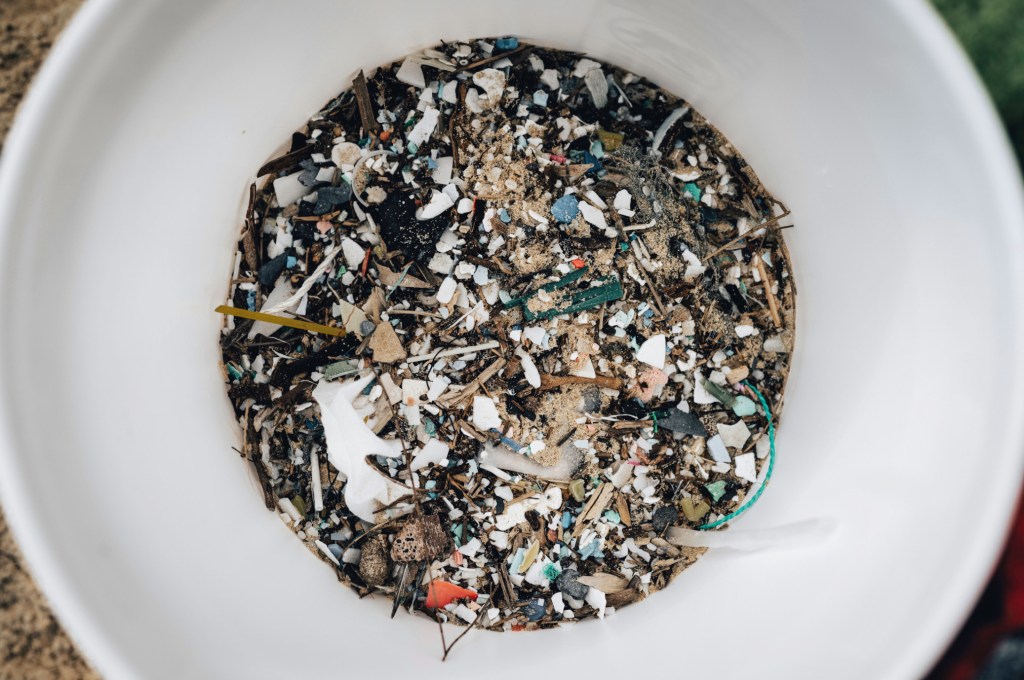
Microplastics (MPs) have become ubiquitous pollutants within food production systems and may pose a risk to the gastrointestinal tract, and by extension, to human systemic health.
Microplastics can induce oxidative stress, inflammation, genotoxicity, metabolic dysregulation, and epithelial barrier dysfunction; they may also cause alterations to the gut microbiota, the development of inflammatory bowel disease, and various hepatic, metabolic, and immunological disorders.
Concurrent exposure to environmental pollutants and food-related chemical substances may further exacerbate toxicity through synergistic mechanisms.
They are primarily found within food production systems, drinking water, and agricultural soils, making the consumption of food the main route of human exposure.
Microplastics enter the human body through contaminated agricultural products, seafood, dairy products, and packaging materials. They originate primarily from the fragmentation and degradation of larger plastic materials, as well as from industrial, agricultural, and domestic activities. They continuously enter environmental systems through wastewater discharge, atmospheric deposition, urban runoff, and agricultural practices, leading to their accumulation in soil, freshwater, marine ecosystems, and the atmosphere.
Agricultural activities and microplastics
Within food production systems, agricultural activities represent a major pathway for microplastic contamination. The use of plastic mulching films, organic fertilizers, and irrigation with wastewater contributes significantly to the accumulation of microplastics in agricultural soils.
Once in the soil, microplastics interact with other soil microorganisms and alter the soil’s physicochemical properties, affecting both the natural nutrient cycle and plant growth. They can adhere to plant surfaces or penetrate root tissues, facilitating their translocation into edible crops. Root vegetables (radishes, carrots, beets, celeriac, parsnips) as well as related vegetables (potatoes, sweet potatoes) appear to be particularly vulnerable, as their roots come into direct contact with contaminated soil.
A recent study has also reported the presence of microplastics in extra virgin olive oil.
Seafood and microplastics
Discharges from aquaculture systems often contain chemical residues and microplastics, which negatively affect aquatic ecosystems.
These pollutants accumulate in farmed organisms and subsequently enter the human food chain.
The accumulation and distribution of pollutants in fish and shellfish are influenced by various factors, such as species, age, geographical origin, seasonal variations, and dietary habits. Fish that live or feed near the seabed (such as dusky grouper, white grouper, common dentex, moray eel, common pandora, comber, white seabream, gilthead seabream, red mullet, herring, cod, and salmon) as well as those in coastal ecosystems or reefs, are exposed more frequently, as microplastics accumulate both in the sediments and in their prey.
Packaging materials and microplastics
Microplastic concentrations in materials that come into contact with food vary significantly, depending on the type of packaging used.
Tea bags contain microplastics and come into direct contact with the tea. Coffee and milk may also contain microplastics, depending on how they are packaged.
Milk stored in glass bottles has been associated with much lower levels of microplastics; while the glass itself does not contain microplastics, the milk may still contain them—originating primarily from bottle caps, coatings, or sealing materials.
Practical, Everyday Actions regarding Microplastics
In today’s society, protecting ourselves from microplastics is far from easy, no matter how much we might wish to do so.
The following measures can help reduce our exposure to microplastics, potentially leading to better long-term health. Microplastics have a cumulative effect on the body; furthermore, because the human body lacks the specific enzymes required to break down these synthetic polymers, they can become trapped in our tissues and remain there for extended periods.
Wash food thoroughly
Washing fruits, vegetables, and any other food items that can be rinsed helps remove some of the microplastics present on their surfaces.
Consume fresh foods
Fresh foods—such as fruits, vegetables, and meat—contain fewer microplastics than packaged products. Locally sourced, seasonal produce is also less likely to have been exposed to chemicals and microplastics.
Use a water filter
The primary purpose of a water filter is to reduce the amount of microplastics in tap water. Avoid consuming food stored in plastic containers
Avoid eating anything that has been stored in a plastic container; it is better to consume items stored in glass, enamelware, or aluminum foil.
Avoid using plastics
Avoid using plastic bottles (for water, juice, etc.), drinking straws, and plastic utensils in the microwave.
Sources and articles that may help:
The Emerging Role of Postbiotics Against Microplastics-Induced Inflammatory Bowel Disease
Microplastics in food production systems: Sources, exposure pathways, and gastrointestinal health effects
Microplastic Removal from Drinking Water Using Point-of-Use Devices
Reduce Your Exposure to Microplastics
Microplastics and nanoplastics released by peeling off aluminium foil cap sealing liner
Early Life Microplastic Exposure Impairs Mouse Incisor Enamel Formation
Bioaccumulation of microplastics in decedent human brains
Post-mortem evidence of microplastic bioaccumulation in human organs: insights from advanced imaging and spectroscopic analysis
Microplastics and our health: What the science says


Leave a Reply