-
Iron Deficiency Anemia and its Relationship to Zinc

Iron deficiency anemia accounts for over 60% of the global incidence of anemia. Among women of reproductive age (aged 15-49 years), the percentage of the global incidence of anemia due to iron deficiency anemia ranges from 35% to 71%, and among preschool children (aged under 4 years), it ranges from 30% to 58%. Due to…
-
B12 Deficiency during Pregnancy and in the Breastfeeding Mother also creates B12 Deficiency in the Newborn

Vitamin B12 is a water-soluble vitamin involved in the metabolism of every cell in the human body, especially in the formation of red blood cells, the functioning of the nervous system, and the synthesis of DNA. Vitamin B12 is found ONLY in foods of animal origin and its absorption depends on the gastric intrinsic factor,…
-
The Health and Wellness Coffee Chain
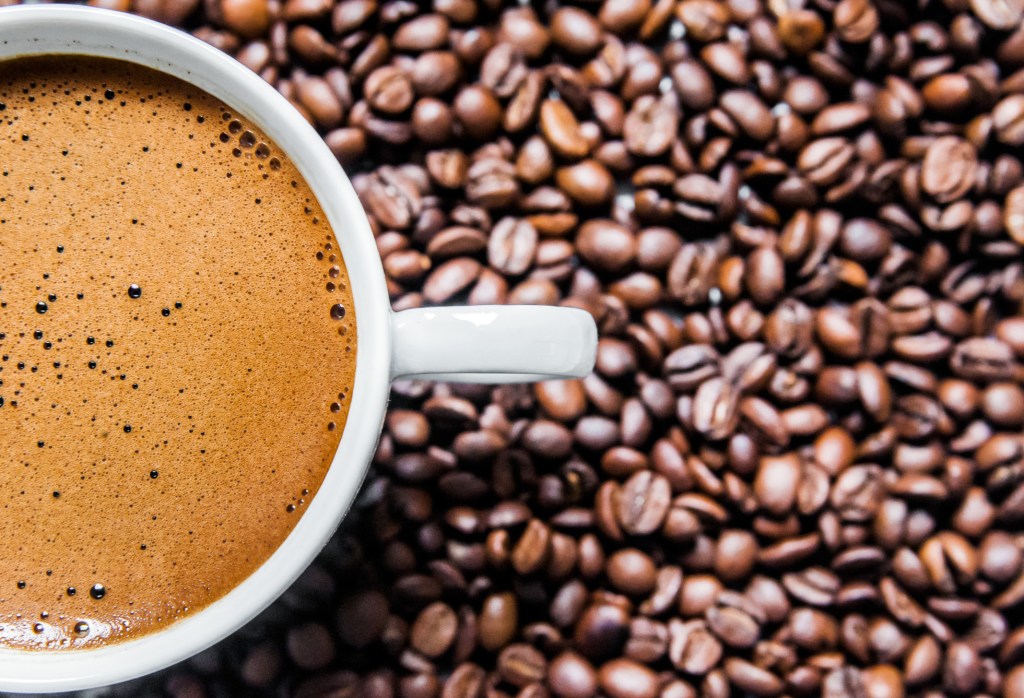
The most common causes of death are cardiovascular disease, cancer, injuries and accidents, chronic lower respiratory diseases, diabetes, chronic liver disease, kidney disease, and cognitive disorders such as Parkinson’s disease and Alzheimer’s disease. Coffee consumption has shown an inverse association with several of these diseases. Cardiovascular disease A meta-analysis of 36 prospective studies in 1.3…
-
Top 5 Health Benefits of Sardines

Sardines are small, oily fish that belong to the same family as herring and anchovy. They can be purchased fresh, frozen or canned. Sardines are an excellent addition to a balanced diet, as they are low in saturated fat and calories, but high in protein. They also contain a variety of vitamins and minerals. The…
-
Protein Needs in Athletes

Protein adequacy remains a cornerstone of sports nutrition, consistently supporting muscle recovery, adaptation, and performance in all athletes. Total daily protein intake is a determining factor for positive results in any sport, while the timing, distribution, and type of protein further enhance the benefits for athletes. This article will outline the basic protein needs of…
-
Olive Oil as a Natural Laxative

Olive oil is one of the healthiest sources of fat in the Mediterranean diet. Especially extra virgin olive oil has been shown to offer benefits to the cardiovascular system, helps control cholesterol and has a mild laxative effect which is mainly based on its high content in monounsaturated fatty acids and its lubricating property, functioning…
-
Saturated Fat Intake Raises LDL Cholesterol Much More Than Egg Intake

New research published in The American Journal of Clinical Nutrition Volume 122, Issue1, July 2025, Pages 83-91 presents the result that eggs may not contribute to high LDL cholesterol levels as was believed for decades. The amount of saturated fat in the diet is much worse for health than eating eggs. To date, no study…
-
Essential and BCAA Amino Acids as a Valuable Supplement in Cancer Treatments
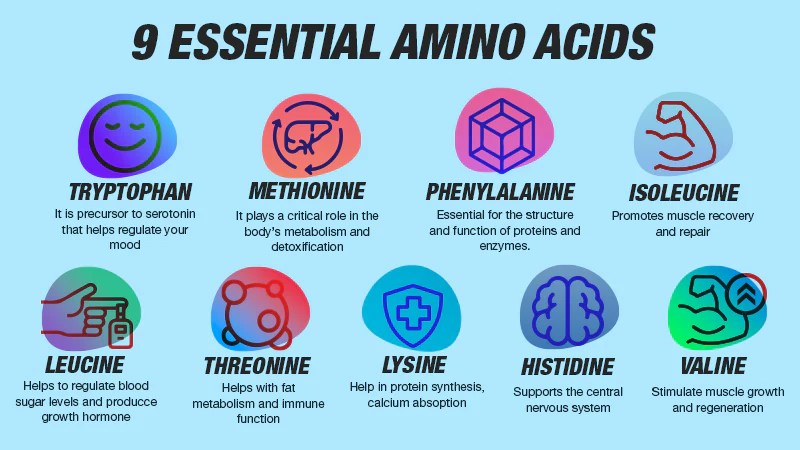
Amino acids, the building blocks of proteins, are essential for many functions of the body, such as tissue growth and repair, nutrient transport and muscle performance enhancement. Amino acids are divided into essential (which the body must obtain from food) and non-essential (which it can synthesize on its own). The essential amino acids are: leucine,…
-
Whey Protein, the Ultimate Nutritional Supplement for Older Adults

Sarcopenia is not only the normal loss of muscle mass that occurs due to aging, but is a pathological condition that can seriously affect a person’s ability to perform basic daily activities. It is particularly evident in people over 60 years of age, especially in cases of lack of physical activity or poor nutrition. In…
-
The Health Risks of NOT BREASTFEEDING

The health effects of breastfeeding are well-known and apply to mothers and children. Breast milk is uniquely tailored to the nutritional needs of the human infant and has unparalleled immunological and anti-inflammatory properties that protect against a range of diseases and conditions for both mothers and children. Diseases associated with not breastfeeding include the following:…
-
Subscribe
Subscribed
Already have a WordPress.com account? Log in now.
 Diet gun