Category: Elements and minerals
-
Problems in the Mouth and Teeth Due to Iron Deficiency
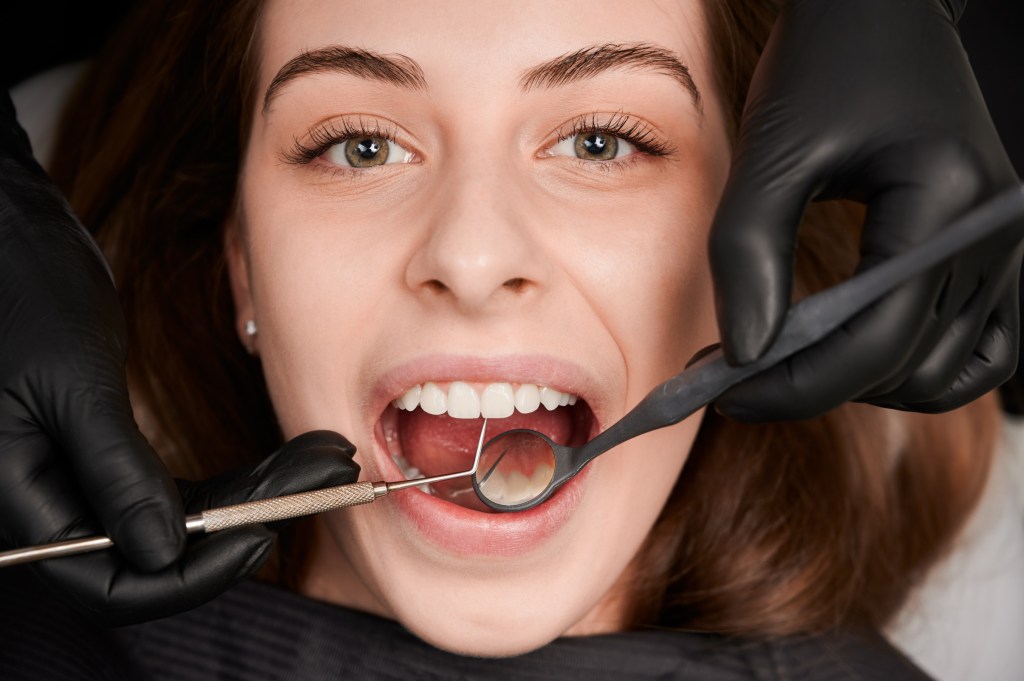
Iron is an essential mineral for the body because it is the basis of many physiological functions of the body, such as oxygen transport, energy production and strengthening the immune system. Iron deficiency in the body can also create various problems in the mouth, such as tooth sensitivity, inflammation and bleeding of the gums and…
-
Advanced Hydration in Older Adults

Hydration is important throughout our lives. Aging alters our ability to regulate and retain water in our bodies. As we age, our total body water decreases, our thirst decreases, resulting in less desire to hydrate. Due to inadequate hydration, water and nutrient absorption is altered, and our ability to regulate water and sodium levels in…
-
Pregnancy, Copper, Manganese, B12 and Blood Pressure 20 years later

Pregnant women whose blood contains higher levels of vitamin B12, manganese and copper may face a lower risk of high blood pressure nearly two decades after giving birth. A cohort study that began in 1999 and ended in 2021 examined blood samples collected between 1999 and 2002 during the early stages of women’s pregnancies for…
-
Iron Deficiency Anemia and its Relationship to Zinc

Iron deficiency anemia accounts for over 60% of the global incidence of anemia. Among women of reproductive age (aged 15-49 years), the percentage of the global incidence of anemia due to iron deficiency anemia ranges from 35% to 71%, and among preschool children (aged under 4 years), it ranges from 30% to 58%. Due to…
-
Vitamins and Minerals for Women of Reproductive Age

Adult women of reproductive age, that is, women from the end of puberty to menopause, in addition to the needs they have as adults, also have specific nutritional needs due to menstruation and other factors. These specific nutritional needs in vitamins and minerals are the following: Calcium and vitamin D Calcium and vitamin D are…
-
Boron

Boron is a vital element, quite important for the normal development and health of the body. Boron has been shown to be an important trace element because it is essential for the growth and maintenance of bones, improves wound healing, positively affects the use of estrogen, testosterone and vitamin D by the body, enhances magnesium…
-
Selenium
Selenium is an essential trace element for the human body. The Thyroid gland has a high concentration of selenium, also its adequate intake is for the correct production and action of the basic antioxidant enzymes. It acts as a powerful antioxidant that contributes to the good functioning of the immune system and the thyroid gland.…
-
Iron (Fe)
Iron is one of the most well-known trace elements. Essential for life because it is necessary for the creation of hemoglobin which carries oxygen throughout the body. It is found in two forms in foods. In the form of heme (heme iron) and in the form of non-heme (non-heme iron). Depending on the form present…
 Diet gun