Category: Foods
-
Nutrition for UTI (Urinary Tract Infection)
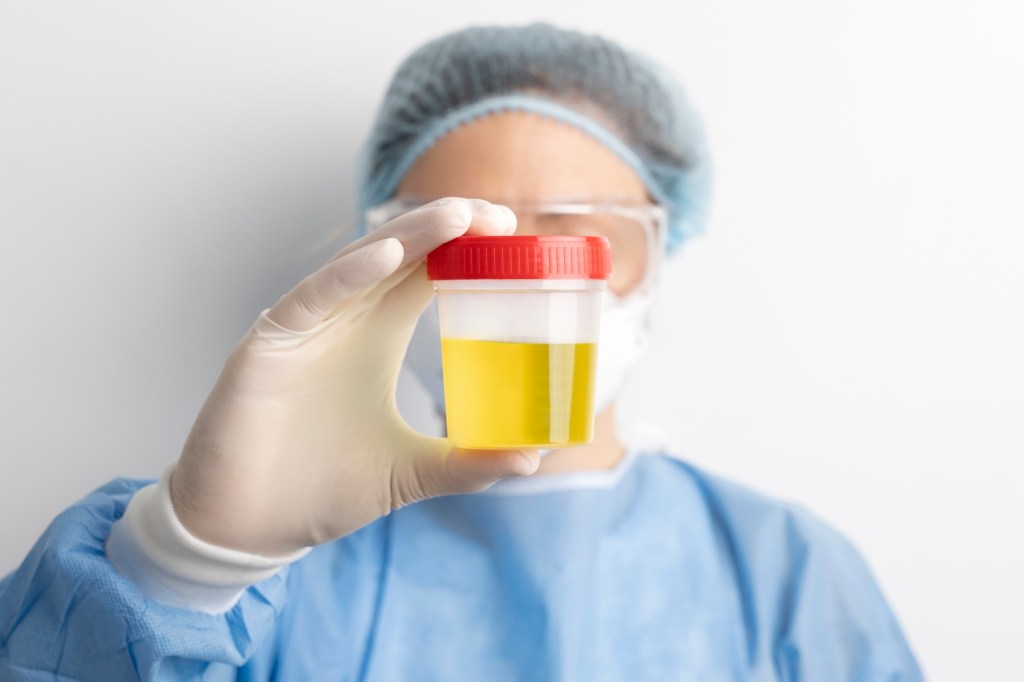
Urinary tract infection is an infection in any part of the urinary tract, most often occurring in the lower urinary tract, i.e. the bladder and urethra. The bacterium E. coli is the main cause of urinary tract infections, as it is found in 80% of cases. Especially in women, cystitis (which usually comes from E.…
-
Water before food time, is it a weight loss tip ?

Water is essential in all biochemical processes that take place in our body. Water helps transport nutrients to the body’s tissues, eliminates harmful metabolic products, maintains healthy joints, controls body temperature, and helps treat constipation. Does drinking water before meals help suppress appetite? There is a possibility that some people have managed to lose weight…
-
Sugar and Headaches. Is there a connection?

Too much sugar or too little sugar in our diet can cause headaches. Blood sugar levels (from too much or too little sugar) and hormonal changes can be responsible for the presence of headaches, and sugar can affect both. Excessive intake of sugar or processed carbohydrates in meals can lead to hyperglycemia, i.e. high blood…
-
Antioxidant Intake from Food or Supplements ?

Antioxidants are substances that protect our cells from the effects of free radicals, thus contributing to the prevention of diseases. Free radicals are produced by our own body, mainly during metabolism, but their excessive accumulation in the body exceeds the body’s ability to neutralize them and is believed to be the main cause of worsening…
-
Foods to AVOID in PREGNANCY

To prevent possible complications during pregnancy, we should avoid the following foods: 1. Seafood and fish that contain mercury or are dangerous for listeriosis. Avoid shark, swordfish, bigeye tuna, mullet, cod due to the mercury they may contain. Mercury can cause damage to the human brain and nervous system. Also, smoked fish such as smoked…
-
5 Important Reasons to Limit Sugar Intake

Frequent and excessive sugar consumption is harmful to our health, as in the long term it will create problems such as weight gain, heart disease, diabetes, etc. The natural sugars contained in a balanced diet in foods such as fruits, vegetables, dairy products are essential because they are….natural! These foods, along with the natural sugars…
-
The 5:2 Diet

The 5:2 diet means eating a normal amount of food (not excessive) 5 days of the week and 2 days of eating a very small amount. The 2 days that we will eat a very small amount of food should NOT be consecutive days. In the 5:2 diet, the normal amount of food that we…
-
What is and what does Nutrition include?

Nutrition is the set of foods that we choose to consume not only to maintain ourselves in life but to have good health as well as to help them in impending diseases. Health is the state of complete physical, mental and social well-being, and not merely the absence of disease or disability. The nutrients in…
-
Vitamins and Minerals for Women of Reproductive Age

Adult women of reproductive age, that is, women from the end of puberty to menopause, in addition to the needs they have as adults, also have specific nutritional needs due to menstruation and other factors. These specific nutritional needs in vitamins and minerals are the following: Calcium and vitamin D Calcium and vitamin D are…
-
Nutrition for Psoriasis
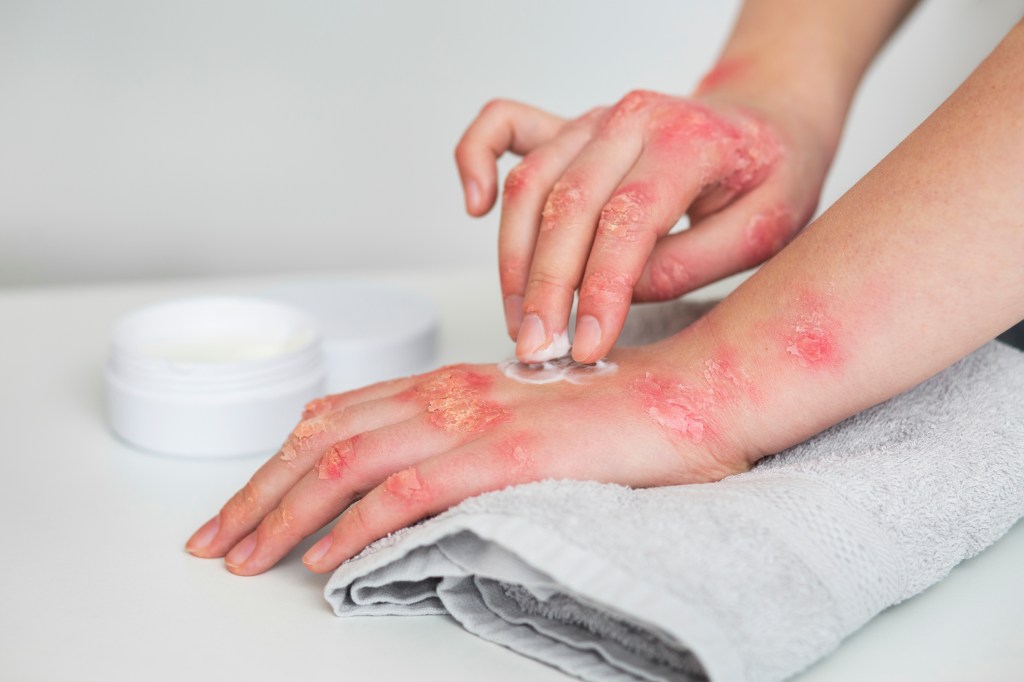
Psoriasis is an autoimmune inflammatory disease that causes the formation of cells and lesions in the upper layer of the skin. Possible causes for its appearance are excessive stress but mainly genetic, immunological and environmental factors. People with psoriasis are likely to develop diseases such as obesity, type 2 diabetes and cardiovascular diseases. Food is…
 Diet gun