Category: IPSC Nutrition
-
PROTEIN FOODS and the amount of protein, carbs and lipids in them

Amounts of protein, carbs and lipids contained in the most well-known protein foods of animal and plant origin. Ηigh protein foods without carbohydrates 1 medium egg : 6.3 grams of protein, 5 grams of lipids, 0.4 grams carbohydrates (71.8 calories) lean meat cooked without oil (content per 100 grams) pork : 27.3 grams of protein,…
-
Water and human body

Water is the most important component in our body. Our body can survive several days without food, months or even years without certain vitamins and minerals, but only a few days without water, while our energy is reduced if we go without water for even a few hours. The total content of the human body,…
-
7 fresh fruits with high amounts of carbohydrates
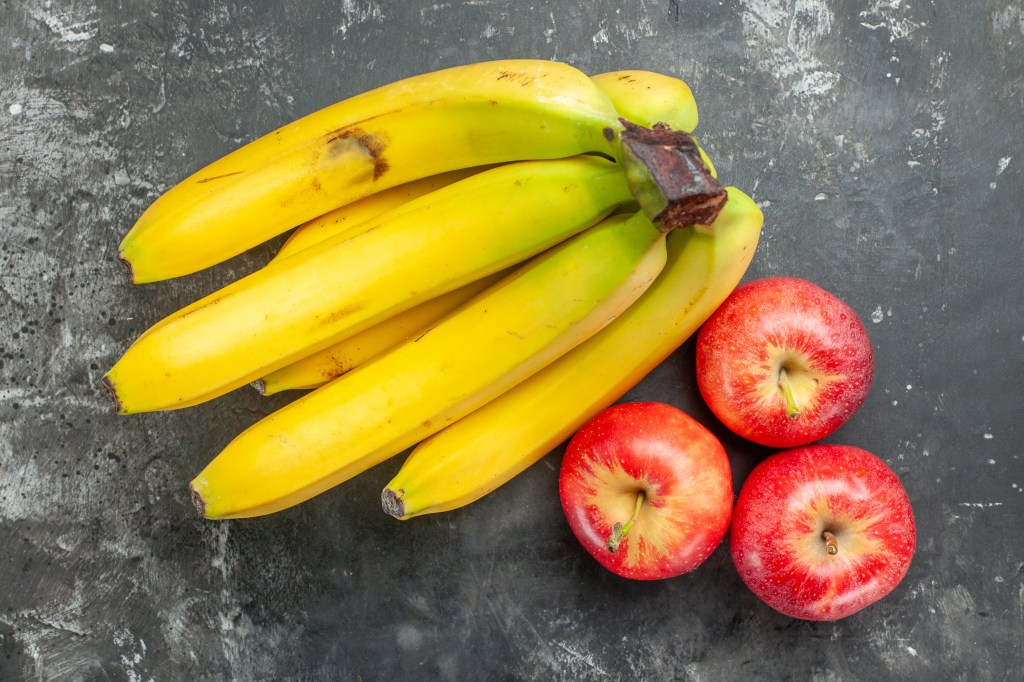
Carbohydrates are important for a proper diet and this is why our total daily calories should contain 45 – 55% carbohydrates. Carbohydrates are classified into simple, complex and fiber. Simple carbohydrates are divided into simple natural carbohydrates and added sugars (refined sugar and its products). Fruit is a simple natural carbohydrate. The consumption of fruit…
-
10 Vegetables with Less Than 30 Calories Per 100 Grams
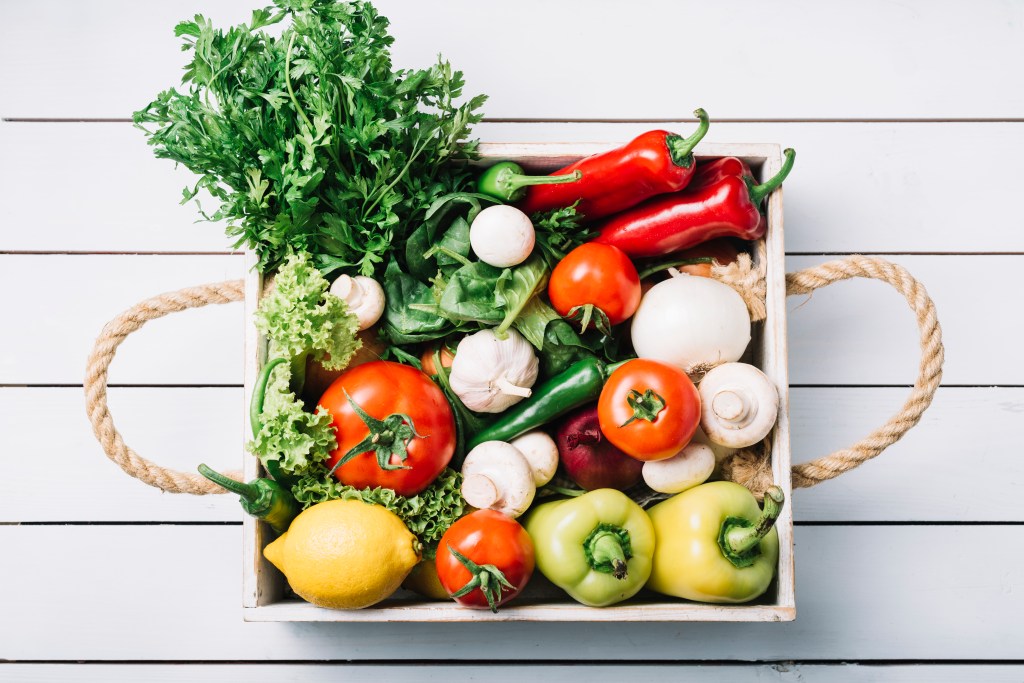
It is well known that vegetables are among the foods with the fewest calories. The 10 vegetables below are those with the fewest calories, less than 30 calories per 100 grams, mainly from proteins and carbohydrates, with traces of fat, which is why it is not mentioned. Lettuce 17 calories (1.4 grams from protein…
-
Foods associated with good mental clarity
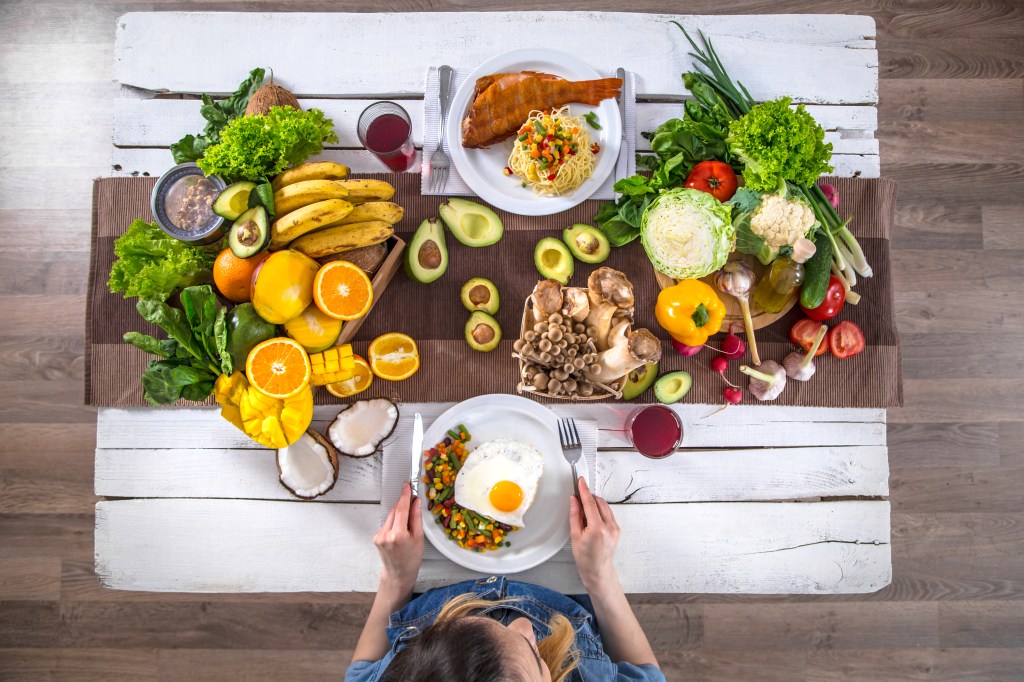
The basic function of the brain is, with the presence of its neurons, to receive, process and transmit messages and stimuli. It is responsible for the senses, perception and control (and coordination) of muscle movements and human mental functions such as thinking or learning and memory. Just as there is no magic pill to prevent…
-
Vitamin D

Vitamin D is a fat-soluble vitamin that has the unique property of being able to be produced by the body from sunlight and does not depend solely on its intake through diet. Vitamin D is essential for the absorption and maintenance of calcium and phosphorus from bones and teeth, thus contributing to the maintenance of…
-
Creatine

Creatine is an amino acid that is produced 50% endogenously in the body in liver, kidney and pancreatic cells. It is stored in skeletal muscles in the myocardium, brain, and testicles. Creatine increases phosphocreatine stores in your muscles by up to 40%, allowing your body to withstand higher intensity for a longer period of time,…
-
B-Alanine

B-alanine is a non-essential amino acid. It can be synthesized by the body but is also found in foods. Taking a b-alanine supplement increases carnosine levels in muscle cells (preventing the decrease in pH in them) improving exercise efficiency, muscle stimulation and contraction by delaying the production of lactic acid and consequently muscle fatigue. The…
-
Boron

Boron is a vital element, quite important for the normal development and health of the body. Boron has been shown to be an important trace element because it is essential for the growth and maintenance of bones, improves wound healing, positively affects the use of estrogen, testosterone and vitamin D by the body, enhances magnesium…
-
Walnuts

Walnuts have a high antioxidant activity. Their antioxidant activity comes mainly from vitamin E, melatonin and polyphenols (a class of substances that act as antioxidants by neutralizing harmful free radicals, which increase the risk of inflammation and chronic diseases, such as cancer, diabetes, and cardiovascular diseases). Walnuts contain omega-3 fatty acids, providing 2.5 gr. per…
 Diet gun