Category: Supplements
-
Vitamin B1 Deficiency and its Crucial Role in Diabetes – New study
In the recent article published on February 1, 2026 in MDPI entitled Thiamine Deficiency in Diabetes: Implications for Diabetic Ketoacidosis, we see that vitamin B1 (thiamine) deficiency can create many complications in people with diabetes, complications that do not have a good prognosis. Diabetic ketoacidosis is a life-threatening complication of diabetes. Thiamine deficiency is particularly…
-
Meal Replacements – Do They Work?

Meal replacement foods are widespread mainly for the convenience they offer, in their preparation, consumption, and storage. Some of their undeniable advantages are: 1. Convenient and versatile They are ready-made, they do not require special preparation, you can take the meal with you without fear of spoiling or getting your bag dirty. 2. Variety in…
-
Omega-3 Fatty Acids, an Excellent Supplement for Mood Disorders
Omega-3 fatty acids (EPA (eicosapentaenoic acid) and DHA (docosahexaenoic acid) play a critical role in brain function, neuroplasticity, and emotional regulation. Deficiency or imbalance in the omega-6/omega-3 ratio has been associated with an increased risk of mood disorders, such as major depression and bipolar disorder. A review of epidemiological studies published on January 3, 2026,…
-
How Much Caffeine Before Training?

A systematic review and network meta-analysis published on December 3, 2025 in MDPI, titled Effects of Caffeine Dose and Administration Method on Time-Trial Performance: A Systematic Review and Network Meta-Analysis, examined the amounts of caffeine that may have an ergogenic effect before training. The effects of caffeine administration methods (e.g., capsules/tablets, gum, mouthwash) and doses…
-
UC-II Collagen Supplement for the Prevention and Treatment of Osteoarthritis

Osteoarthritis is a degenerative joint disease with altered homeostasis of articular cartilage and subchondral bone tissues. Osteoarthritis usually focuses on the lower extremities, especially the knee and hip joints. It can be initiated by genetic factors, environmental factors, metabolic and traumatic factors with the presence of micro- and macro-injuries that create inflammation. The incidence of…
-
B12 Deficiency during Pregnancy and in the Breastfeeding Mother also creates B12 Deficiency in the Newborn

Vitamin B12 is a water-soluble vitamin involved in the metabolism of every cell in the human body, especially in the formation of red blood cells, the functioning of the nervous system, and the synthesis of DNA. Vitamin B12 is found ONLY in foods of animal origin and its absorption depends on the gastric intrinsic factor,…
-
Essential and BCAA Amino Acids as a Valuable Supplement in Cancer Treatments
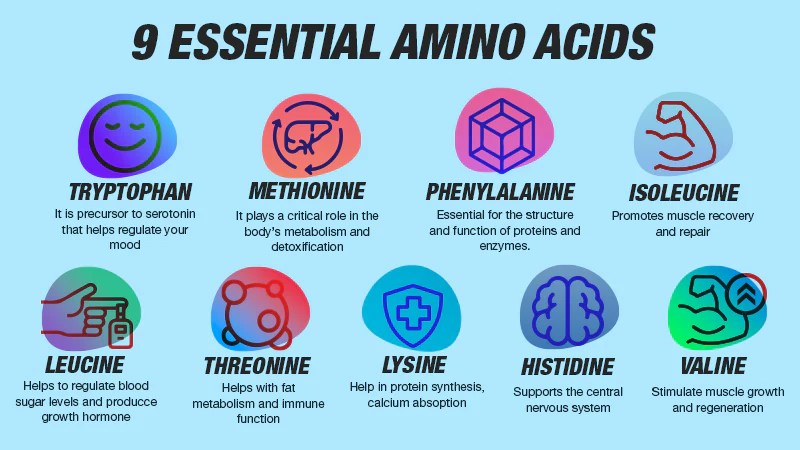
Amino acids, the building blocks of proteins, are essential for many functions of the body, such as tissue growth and repair, nutrient transport and muscle performance enhancement. Amino acids are divided into essential (which the body must obtain from food) and non-essential (which it can synthesize on its own). The essential amino acids are: leucine,…
-
Whey Protein, the Ultimate Nutritional Supplement for Older Adults

Sarcopenia is not only the normal loss of muscle mass that occurs due to aging, but is a pathological condition that can seriously affect a person’s ability to perform basic daily activities. It is particularly evident in people over 60 years of age, especially in cases of lack of physical activity or poor nutrition. In…
-
Glucerna and its contribution to Diabetes

Glucerna is a dietary supplement that contains proteins and slow-release digestible carbohydrates as well as a special fat composition and has been developed specifically for people who are at risk of malnutrition, diabetes or for any reason have hyperglycemia, malnutrition or malabsorption syndromes. When a person has diabetes, their body does not produce enough insulin…
-
Additives in Dietary Supplements

Any dietary supplement may contain various additives, such as preservatives, stabilizers, dyes, sweeteners even if they are listed as “natural” supplements and that they do not contain “preservatives”. These additives are related to the form of the supplement (capsule, pill, powder, liquid, etc.), the nature of the supplement and its required preservation. The most common…
 Diet gun