Tag: diabetes
-
Vitamin B1 Deficiency and its Crucial Role in Diabetes – New study
In the recent article published on February 1, 2026 in MDPI entitled Thiamine Deficiency in Diabetes: Implications for Diabetic Ketoacidosis, we see that vitamin B1 (thiamine) deficiency can create many complications in people with diabetes, complications that do not have a good prognosis. Diabetic ketoacidosis is a life-threatening complication of diabetes. Thiamine deficiency is particularly…
-
Increased Homocysteine, Coronary Heart Disease and Nutrition
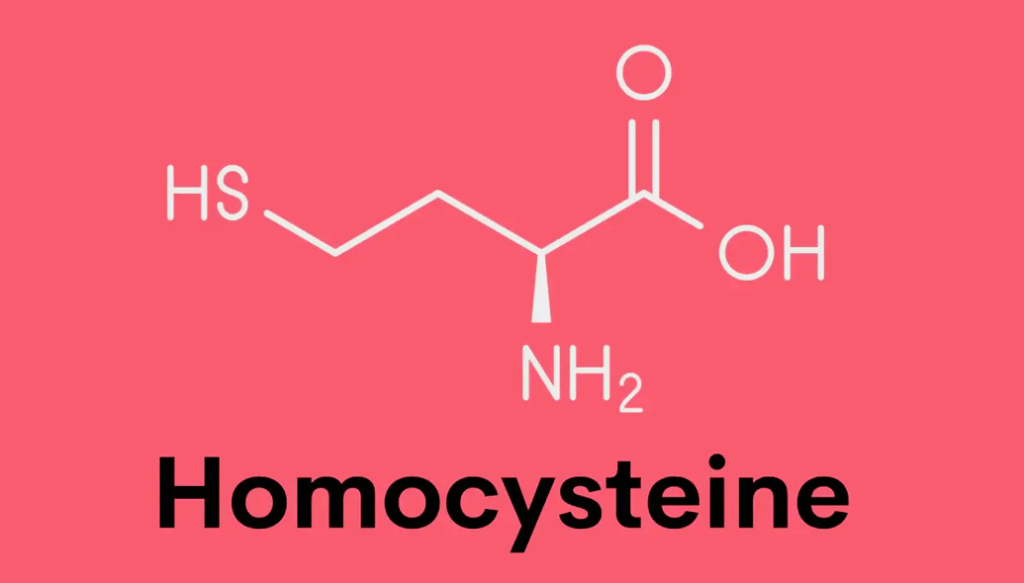
Homocysteine is an amino acid that is associated with the metabolism of the amino acid methionine and is a precursor of the amino acid cysteine. Increased blood homocysteine (hyperhomocysteinemia) has been associated with acute coronary syndrome and is an indicator of increased risk for thromboembolic events such as acute myocardial infarction, ischemic stroke and pulmonary…
-
Frequent Urination and Foods that Affect it

Frequent urination is the condition of urinating more frequently than normal, either during the day or at night. This condition can be due to various causes such as increased fluid or caffeine consumption, but also to diseases such as urinary tract infections, overactive bladder, diabetes, prostate hyperplasia, prostatitis, cystitis. Temporary causes that are normal to…
-
Ultra-processed Foods and the Unbreakable Bond to Visceral Fat

Ultra-processed foods (UPFs) are very prevalent in modern diets due to their convenience and variety. UPFs are defined by the NOVA classification system, which categorizes foods into four groups based on the nature, extent and purpose of industrial processing: Group 1 Unprocessed or minimally processed foods that have been refrigerated, washed or dried, e.g. fresh…
-
The Health and Wellness Coffee Chain

The most common causes of death are cardiovascular disease, cancer, injuries and accidents, chronic lower respiratory diseases, diabetes, chronic liver disease, kidney disease, and cognitive disorders such as Parkinson’s disease and Alzheimer’s disease. Coffee consumption has shown an inverse association with several of these diseases. Cardiovascular disease A meta-analysis of 36 prospective studies in 1.3…
-
Glucerna and its contribution to Diabetes

Glucerna is a dietary supplement that contains proteins and slow-release digestible carbohydrates as well as a special fat composition and has been developed specifically for people who are at risk of malnutrition, diabetes or for any reason have hyperglycemia, malnutrition or malabsorption syndromes. When a person has diabetes, their body does not produce enough insulin…
-
Foods and Drinks to Avoid if we have Diabetes

Diabetes affects your body’s ability to process sugar (glucose) in the blood. Eating a balanced diet can help people manage diabetes and reduce their risk of complications. Carbohydrates Carbohydrates are the body’s most important source of energy. The quality and quantity of carbohydrates we eat have the biggest impact on our blood sugar. There are…
-
Artificial Sweeteners Consumption and Cognitive Decline

Recent research published on September 3, 2025 in Neurology of the American Academy of Neurology, shows that there is an association (and not a causal link) between the consumption of low and zero calorie artificial sweeteners and cognitive decline. The research focuses on 7 artificial sweeteners, artificial sugar substitutes, aspartame, saccharin, acesulfame-K, erythritol, xylitol, sorbitol…
-
Carbohydrate Quality for Healthy Aging

It is known that carbohydrates can affect health differently depending on their quality. Our weight, our energy, and the fluctuations in our blood sugar levels are related to the quality and quantity of carbohydrates we consume with our diet. It is also known that starchy carbohydrates, such as potatoes, white bread, and processed white pasta,…
-
Pomegranate

Pomegranate is a highly nutritious fruit. It is high in antioxidants and polyphenols, which help fight oxidative stress that can cause diseases in the body. It is also a strong alkaline fruit that helps stabilize the body’s pH and maintain the smooth functioning of the body. Pomegranate and pomegranate juice, if consumed in moderation, may…
 Diet gun