Tag: fish
-
Plant-Based Diet Improves Parkinson’s Disease

Parkinson’s disease is a degenerative disease that attacks and destroys a specific group of neurons in the basal ganglia of the brain, called dopaminergic neurons. Dopaminergic neurons secrete dopamine and its lack creates the characteristic symptoms of the disease, which are tremors and slowness in the execution of movements, muscle stiffness, loss of automatic movements,…
-
Vitamin B1 Deficiency and its Crucial Role in Diabetes – New study
In the recent article published on February 1, 2026 in MDPI entitled Thiamine Deficiency in Diabetes: Implications for Diabetic Ketoacidosis, we see that vitamin B1 (thiamine) deficiency can create many complications in people with diabetes, complications that do not have a good prognosis. Diabetic ketoacidosis is a life-threatening complication of diabetes. Thiamine deficiency is particularly…
-
HIPPOCRATES (460 BC – 377 BC) – ON DIET VI – Constipation and Obstructive Ileus

In the case of dry stools that cause burning, the mouth becomes dry and later takes on a bitter taste, retention of feces and urine occurs. For when the intestine loses its moisture, it swells around the feces and blocks the outlets, causing pain, fever and whatever one drinks or eats, it expels it with…
-
HIPPOCRATES (460 BC – 377 BC) – ON DIET II – Foods containing flesh (meat, fish, seafood)
Meat ¨Regarding animals intended for food, everyone should know the following: Beef is tonic, astringent and indigestible. Its meat is heavy for the body, as is its milk. Goat meat is lighter than beef and more laxative. Pork gives the body more strength than beef and goat meat and facilitates bowel movements quite a bit.…
-
Essential and BCAA Amino Acids as a Valuable Supplement in Cancer Treatments
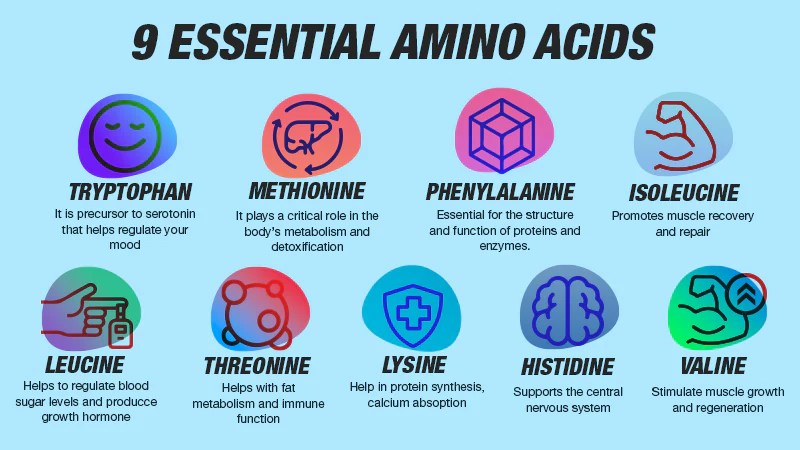
Amino acids, the building blocks of proteins, are essential for many functions of the body, such as tissue growth and repair, nutrient transport and muscle performance enhancement. Amino acids are divided into essential (which the body must obtain from food) and non-essential (which it can synthesize on its own). The essential amino acids are: leucine,…
-
Nutrition for Candidiasis
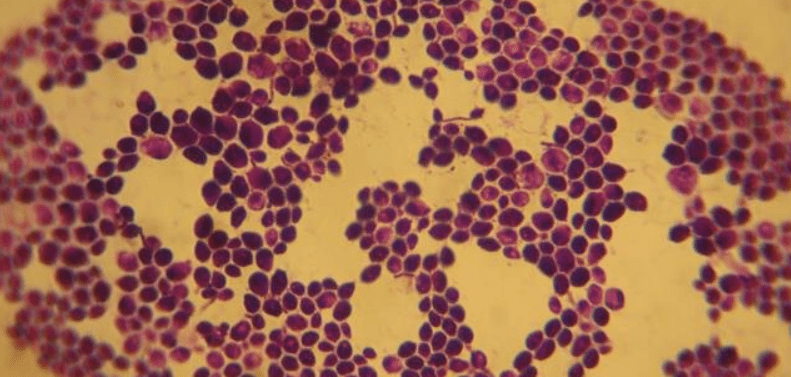
Candidiasis is an infection by the Candida fungus and can affect parts of the body such as the skin, mouth, throat, genitals and blood. The Candida fungus is present in small inactive amounts in the human body, but can, with the decline of the body’s defenses, develop in warm and moist parts of the body.…
-
Vitamins and Minerals for Women of Reproductive Age

Adult women of reproductive age, that is, women from the end of puberty to menopause, in addition to the needs they have as adults, also have specific nutritional needs due to menstruation and other factors. These specific nutritional needs in vitamins and minerals are the following: Calcium and vitamin D Calcium and vitamin D are…
-
Foods that help with Hypokalemia

Hypokalemia is a low concentration of Potassium (K+) in the blood, below 3.5 mEq/L or mmol/L. (Normal values 4 to 4.5 mEq/L). If the concentration of Potassium in the blood is less than 2.5 mEq/L then Hypokalemia is life-threatening. Hypokalemia is the most common electrolyte disorder and is common in those who are hospitalized or…
-
15 Nutritional Advice for Kidney Patients on Dialysis

Nutritional support for patients undergoing dialysis is not only of great importance but also crucial for the course of the disease. The diet of kidney patients is very restrictive, but in the dialysis stage there is considerably more freedom in forming the nutritional plan that the patient will follow compared to the previous stages of…
-
5 Foods that can cause Bad Breath

Bad breath (also called halitosis) is caused by possible health conditions, long-term habits, and the consumption of certain foods. The most well-known health conditions that can lead to bad breath are diabetes mellitus, liver or kidney disease, Sjögren’s syndrome, infections in the nose, throat or lungs, gastroesophageal reflux disease, oral and oropharyngeal cancer. Long-term habits…
 Diet gun