Tag: Iron
-
Problems in the Mouth and Teeth Due to Iron Deficiency
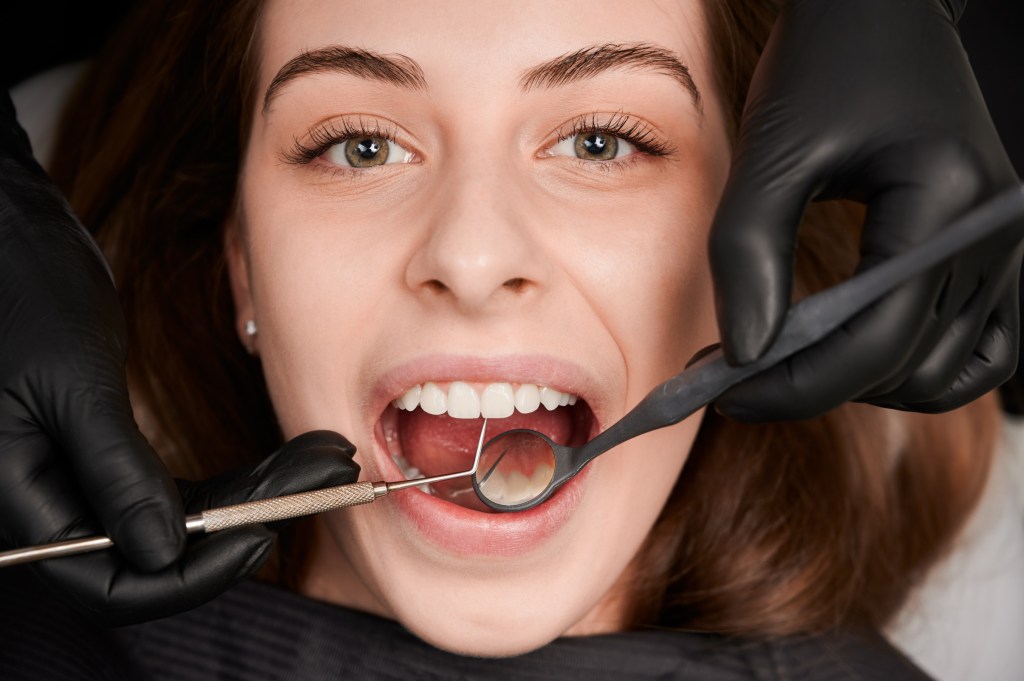
Iron is an essential mineral for the body because it is the basis of many physiological functions of the body, such as oxygen transport, energy production and strengthening the immune system. Iron deficiency in the body can also create various problems in the mouth, such as tooth sensitivity, inflammation and bleeding of the gums and…
-
Iron Deficiency Anemia and its Relationship to Zinc

Iron deficiency anemia accounts for over 60% of the global incidence of anemia. Among women of reproductive age (aged 15-49 years), the percentage of the global incidence of anemia due to iron deficiency anemia ranges from 35% to 71%, and among preschool children (aged under 4 years), it ranges from 30% to 58%. Due to…
-
“Mayer Stool Test” preparation Diet

The Mayer stool test detects the presence of hemoglobin in the stool, and is essentially used to investigate bleeding. Bleeding in the gastrointestinal tract can be caused by medications as well as pathological processes. Bleeding in the upper part of the gastrointestinal tract results in the creation of black stools, while bleeding from the lower…
-
4 Symptoms of a Nutrient Deficiency

A deficiency in the body of micronutrients (i.e. vitamins, minerals and trace elements) is not always as noticeable as a deficiency in macronutrients (i.e. proteins, carbohydrates, fat and water). Usually, a period of time has passed since the body has been deficient in micronutrients before we realize it with certain symptoms that appear. Macronutrients and…
-
Beets – a very nutritious vegetable

Beets is a bulbous vegetable and contains many nutrients such as vitamins A, C, B6, folic acid, potassium, sodium, iron, magnesium, phosphorus, calcium, a good amount of protein 1.6 grams per 100 grams, 9.6 grams of carbohydrates of which 2.6 are fiber. They contain about 50 calories per 100 grams. Benefits of beets Beets has…
-
Diet for Hemochromatosis

Hemochromatosis, i.e. the increased amount of iron in the blood, is a hereditary condition in which a large amount of iron accumulates in our body and is due to gene mutations. If untreated, hemochromatosis can cause liver damage, diabetes, heart damage, and menstrual disorders in women. The treatment of hemochromatosis is usually the removal of…
-
7 Tips for a Healthy and Balanced Plant-Based Diet

Not all plant-based diets are healthy. Frequent consumption of foods with a high carbohydrate content such as pasta, potatoes, sweets to create a feeling of fullness is definitely unhealthy. Insufficient consumption of natural plant-based protein foods such as legumes and nuts is also something that should concern us as it is certain that we will…
-
7 Food Categories for Fast Recovery after Surgery

After surgery and since we do not have to follow a specialized diet plan due to the operation, we must eat healthy foods that will help our body heal. A balanced intake of the right nutrients will help speed up our recovery and avoid complications related to nutrition. The following food categories are ideal to…
-
Avocado
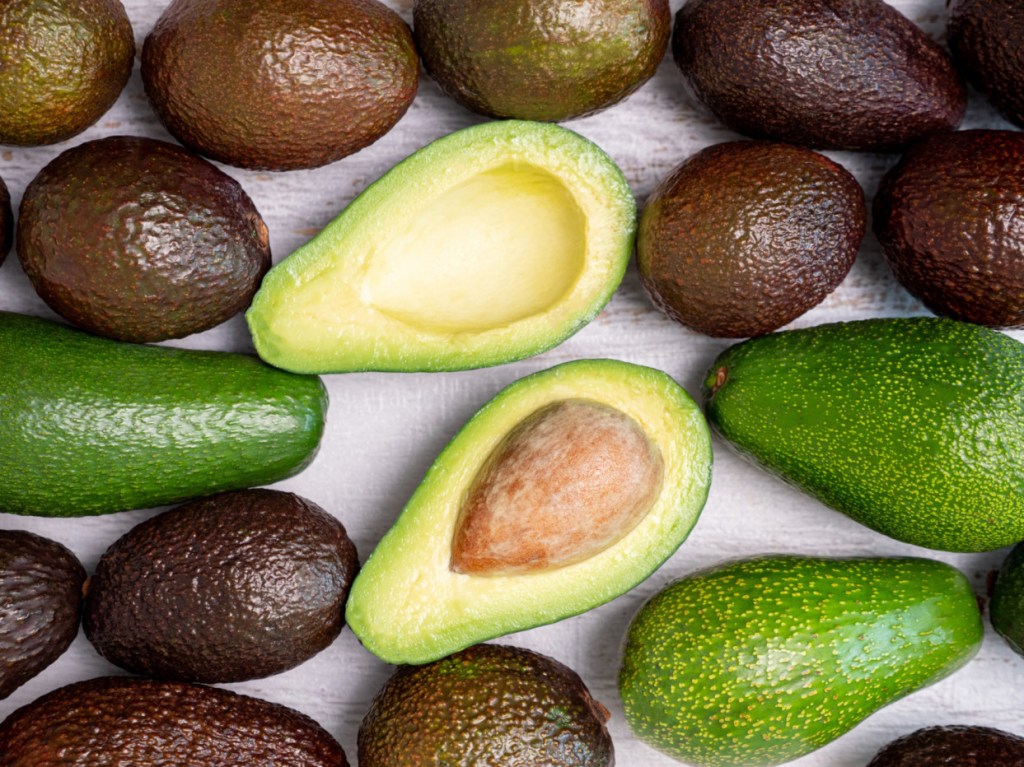
Avocado is a fruit with high nutritional value and several health benefits. 100 grams of avocado have 8.5 grams of carbohydrates (7 grams of fiber and only 0.5 grams of sugars, 2 grams of protein and almost 15 grams of fat (about 10 monounsaturated, 2.5 saturated and 2 polyunsaturated), it is a fruit with a…
-
What is and what does Nutrition include?

Nutrition is the set of foods that we choose to consume not only to maintain ourselves in life but to have good health as well as to help them in impending diseases. Health is the state of complete physical, mental and social well-being, and not merely the absence of disease or disability. The nutrients in…
 Diet gun