Tag: nuts
-
5 Food Categories for NAFLD (Non-Alcoholic Fatty Liver Disease)

Liver is an organ that helps process nutrients and drugs absorbed from the digestive system, stores energy, breaks down substances such as drugs and alcohol and removes them from the body, helps synthesize bile which is necessary for the digestion of fatty acids. Non-alcoholic fatty liver disease (NAFLD) is the accumulation of fat in the…
-
Protein for Preschoolers

Recommendations for children’s nutrition are not like those for adults with specific, precise amounts of grams, they are mainly educational and research in nature because, like adults, babies do not all have the same body size, the same needs, the same metabolism. There is no clear scientific documentation on the exact amount of protein or…
-
10 Nutritional Tips and Foods for Polycystic Ovary Syndrome (PCOS)

Polycystic ovary syndrome is an endocrine problem that has different forms of clinical expression. It affects the body by disrupting the balance of hormones, resulting in ovulation not occurring or occurring rarely. It is considered one of the main causes of infertility. Polycystic ovary syndrome is the most common gynecological endocrine disorder and in addition…
-
Nutrition for Healthy Preschoolers (PART 1 – the content of nutrition)

In the last 20 years, lifestyle has brought significant blows to the nutrition of preschool children. Nowadays, our young children eat less breakfast, consume less homemade food, while the intake of ready-made food that is not prepared at home has increased. Unfortunately, they now get more calories from snacks, consume more fried foods and foods…
-
10 Foods to Protect our Eyes

Our eyes are responsible for seeing the world around us and are an important part of your overall health. One of the most important factors that help with eye health is consuming natural nutritious foods such as a variety of fruits and vegetables, lean protein and healthy fats that contain the necessary elements that will…
-
10 Foods We Should Eat + 10 Foods We Should NOT Eat When We Have Diarrhea
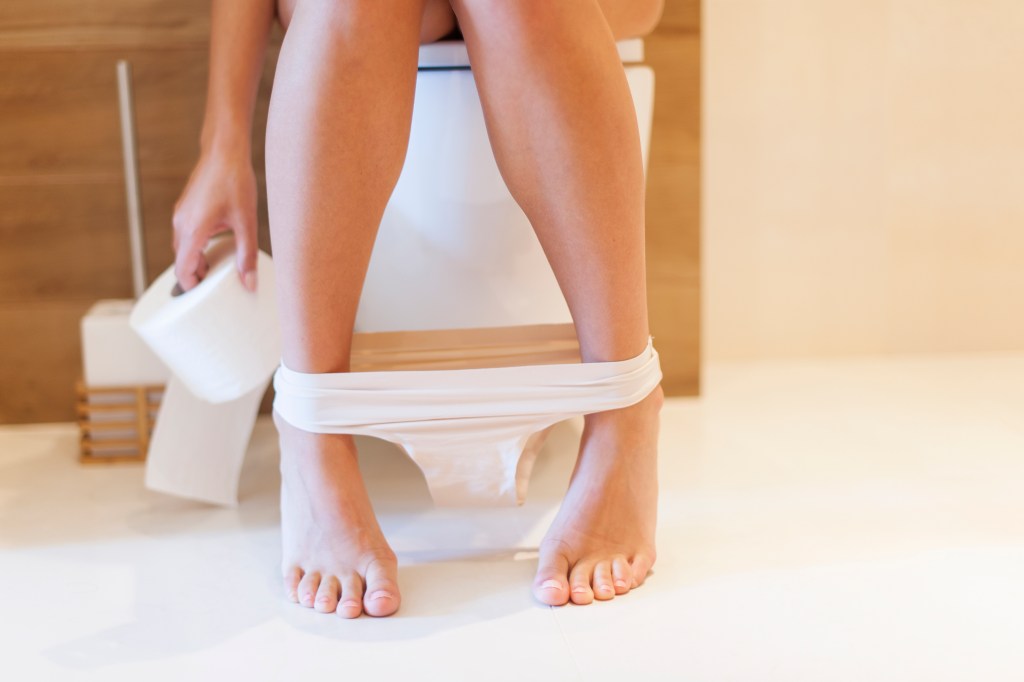
Diarrhea is the passage of loose stools in increased quantity and frequency. Acute (due to infectious causes) or chronic diarrhea (lasting more than a month) is accompanied by excessive loss of fluids and electrolytes. What foods should we eat when we have diarrhea? The recommended foods are the next: 1. Boiled white rice 2. Noodles…
-
PROTEIN FOODS and the amount of protein, carbs and lipids in them

Amounts of protein, carbs and lipids contained in the most well-known protein foods of animal and plant origin. Ηigh protein foods without carbohydrates 1 medium egg : 6.3 grams of protein, 5 grams of lipids, 0.4 grams carbohydrates (71.8 calories) lean meat cooked without oil (content per 100 grams) pork : 27.3 grams of protein,…
-
Foods that increase histamine
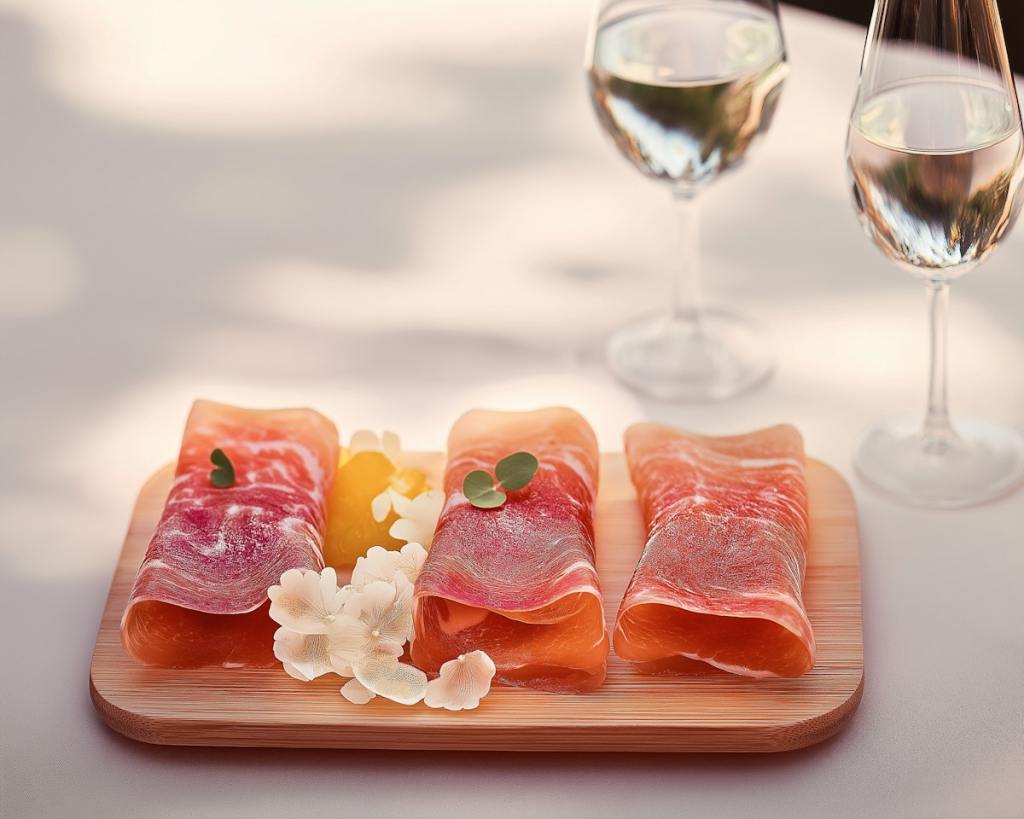
Histamine is a substance that is mainly involved in the functions of the immune and central nervous systems. Histamine initiates an inflammatory reaction to alert the body’s immune system to a possible attack. This inflammatory reaction causes blood vessels to dilate in order for white blood cells to act faster against the infectious agent. The…
-
Glutamine

Glutamine is an amino acid (building block of proteins) that is widely used in sports nutrition, mainly due to its immunomodulatory role. Glutamine is involved in cell proliferation, energy production through gluconeogenesis (energy production from proteins rather than carbohydrates), maintenance of acid-base balance, body temperature and heart rate. Our bodies produce enough glutamine for our…
-
IPSC Nutrition – Match day

Nutrition on match day is definitely something that all competitors should seriously consider in order to achieve maximum performance. It is not wise to eat foods that only have empty calories, such as refined added carbohydrates (sweets, candies, chocolates) and do not have other ingredients that will help us achieve maximum performance, such as complex…
 Diet gun