Tag: vitamin E
-
Latest News on Nutrition in Endometriosis

Endometriosis is a chronic inflammatory condition in which tissue similar to the endometrium (the thin inner lining of the uterus) grows in abnormal areas outside the uterus, such as the ovaries, fallopian tubes, bladder, and bowel. Endometriosis can cause severe abdominal pain, bleeding, pain during intercourse, and infertility. Its frequency is estimated at 1 in…
-
Tips on Nutrients Affected in Perimenopausal Women and Leading to Menopausal Symptoms

Perimenopause is the natural transition period towards menopause, where the ovaries begin to reduce the production of hormones (mainly estrogen), causing changes in the menstrual cycle (less frequent or irregular periods) and symptoms such as hot flashes, sleep disturbances, fatigue, vaginal and bladder problems, changes in sexual function, decreased fertility, possible changes in cholesterol levels,…
-
Pomegranate

Pomegranate is a highly nutritious fruit. It is high in antioxidants and polyphenols, which help fight oxidative stress that can cause diseases in the body. It is also a strong alkaline fruit that helps stabilize the body’s pH and maintain the smooth functioning of the body. Pomegranate and pomegranate juice, if consumed in moderation, may…
-
5 Foods for Dry and Dehydrated Skin

Dry and dehydrated skin are two different conditions. In dehydrated skin, the skin lacks moisture and water. In dry skin, you are deficient in vitamin A and natural oils. Dehydrated skin lacks hydration and may look oily but is mostly dull and may peel in places. If our skin is dehydrated, we must hydrate it…
-
Vitamin Toxicity Dosage

Usually, excessive intake of vitamins is done from vitamin supplements and not from food and can lead to health complications. The toxicity of most known vitamins when they accumulate in the body is mentioned below. Vitamin A Vitamin A (retinol) toxicity can be acute or chronic. Acute toxicity can be caused by accidental ingestion of…
-
Avocado
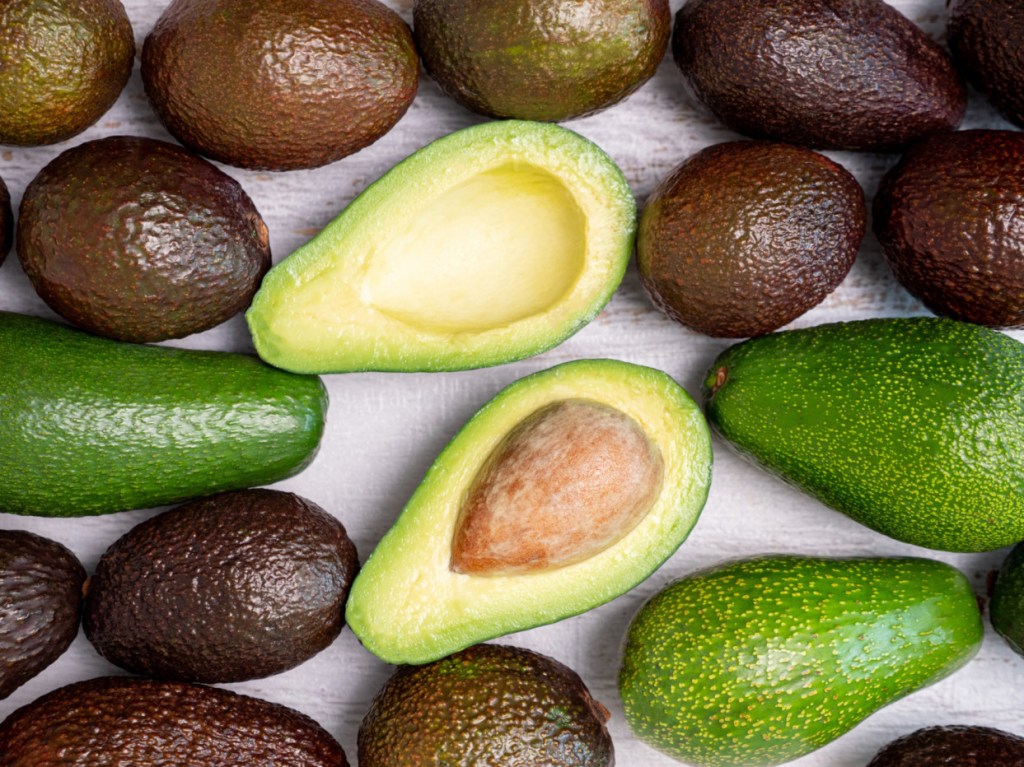
Avocado is a fruit with high nutritional value and several health benefits. 100 grams of avocado have 8.5 grams of carbohydrates (7 grams of fiber and only 0.5 grams of sugars, 2 grams of protein and almost 15 grams of fat (about 10 monounsaturated, 2.5 saturated and 2 polyunsaturated), it is a fruit with a…
-
Antioxidant Intake from Food or Supplements ?

Antioxidants are substances that protect our cells from the effects of free radicals, thus contributing to the prevention of diseases. Free radicals are produced by our own body, mainly during metabolism, but their excessive accumulation in the body exceeds the body’s ability to neutralize them and is believed to be the main cause of worsening…
-
What is and what does Nutrition include?

Nutrition is the set of foods that we choose to consume not only to maintain ourselves in life but to have good health as well as to help them in impending diseases. Health is the state of complete physical, mental and social well-being, and not merely the absence of disease or disability. The nutrients in…
-
10 nutritional tips for a better response to Depression

Depression is a disorder that affects our mood, thoughts and behavior. It can start with a loss of interest and pleasure and develop into a daily feeling of anxiety, sadness and/or melancholy for a long time, resulting in abstinence from our social and interpersonal relationships. Depression is not combated with a special diet and needs…
-
Vitamin E

Vitamin E is a fat-soluble vitamin, meaning it requires fat for proper absorption and is stored in adipose tissue and the liver. It consists of eight compounds, but only alpha tocopherol is the most absorbable form, and mainly its natural form as it is more absorbable than its synthetic form. The role of vitamin E…
 Diet gun