Category: Foods
-
Figs

Fresh or dried figs contain many nutrients such as carbohydrates, a small amount of protein, calcium, potassium, magnesium, vitamins C and K, vitamins B1 and B2. They are rich in fiber and antioxidants. The antioxidant compounds they contain are phenolic compounds, flavonoids, carotenoids and vitamin E. They have about 37 calories per 50-gram fig, of…
-
Celiac – Foods that DOES NOT contain Gluten

Gluten is a protein found in wheat, rye and barley. Any food made from wheat, barley or rye products contains gluten, some foods less and some more. Many people are sensitive to gluten, that is, to all products that contain it, but they do not cause damage to the small intestine as they do to…
-
Water Content in common foods and fluids
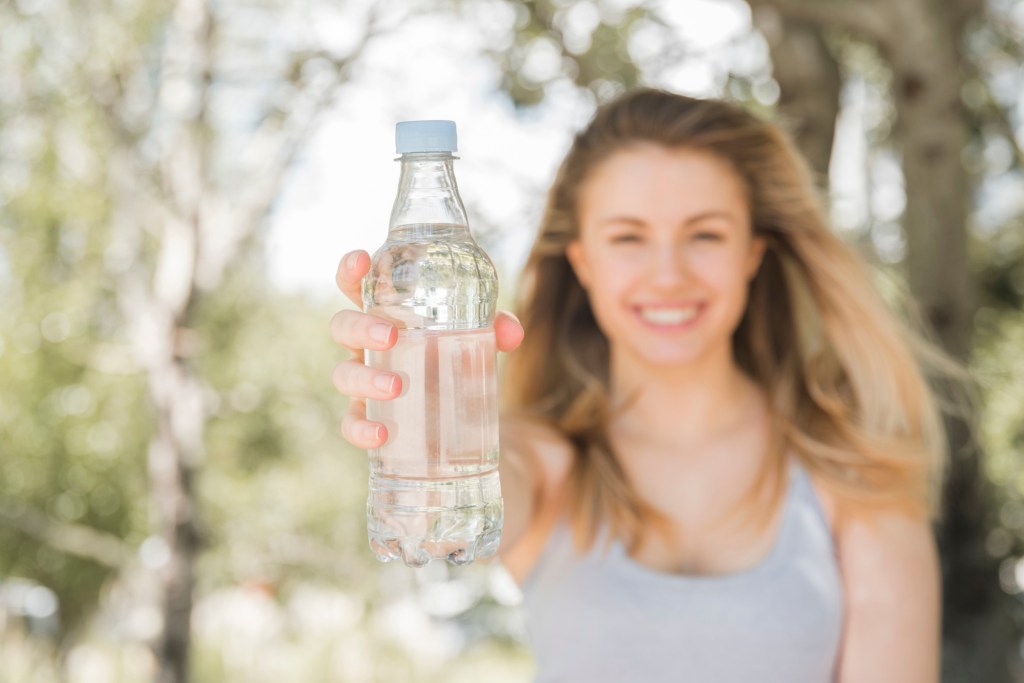
Water is essential for life. Without water intake we can survive only for a few days. We can get water by drinking water or other fluids that contain water (and are not diuretics like coffee and alcoholic beverages) and by eating foods that contain water, mainly fruits and vegetables. Here are some common foods and…
-
6 Tips for Best Bulking

If we want to gain weight, it is certain that we must eat more than we used to. The same foods that we ate before, if we eat them in larger quantities without increasing our activity, it is certain that we will gain weight. If we want to increase our muscle mass, our diet must…
-
Better food management at home

Finding ways to reduce food waste at home can help us better manage the food we buy and have in our home and save us money. 1. We buy less food One of the simplest ways is to buy less food, food that we really need, e.g. this week or the week after. Usually if…
-
5 Best Nuts for Snack in Diabetes

Diabetes mellitus is a metabolic disease characterized by high blood glucose levels. The body produces less or no insulin (the hormone that promotes glucose into cells) or uses insulin in an ineffective way, resulting in an increase in the concentration of sugar (glucose) in the blood. The higher the levels of sugar/glucose that we consume…
-
7 Food Categories for Fast Recovery after Surgery

After surgery and since we do not have to follow a specialized diet plan due to the operation, we must eat healthy foods that will help our body heal. A balanced intake of the right nutrients will help speed up our recovery and avoid complications related to nutrition. The following food categories are ideal to…
-
Fruits or vegetables or… both ? Do they have differences?
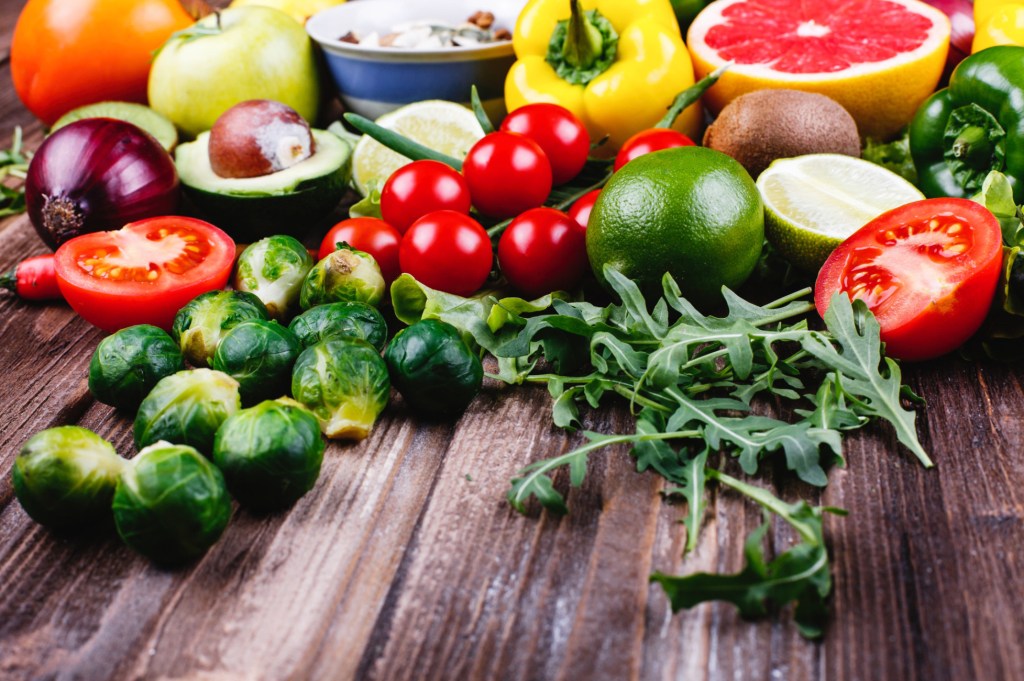
Fruits and vegetables are usually classified based on their botanical structure. Fruits contain seeds and come from the flowering part of the plant. Vegetables are the edible parts of a plant, its leaves or roots, its bulbs, its stems. Both fruits and vegetables contain mainly vitamins, minerals, fiber and other nutrients. Botanists classify certain “savory”…
-
5 Nutrition Tips for a Better Sleep

Diet and sleep are quite connected, but it is true that a balanced diet alone will not benefit our sleep if we have bad sleep habits. We should NOT consume before bedtime: 1. Caffeine Coffee and anything containing caffeine such as energy drinks, cola drinks, dark chocolate, dark chocolate ice cream are foods that disrupt…
-
Consequences of Excessive Protein Intake
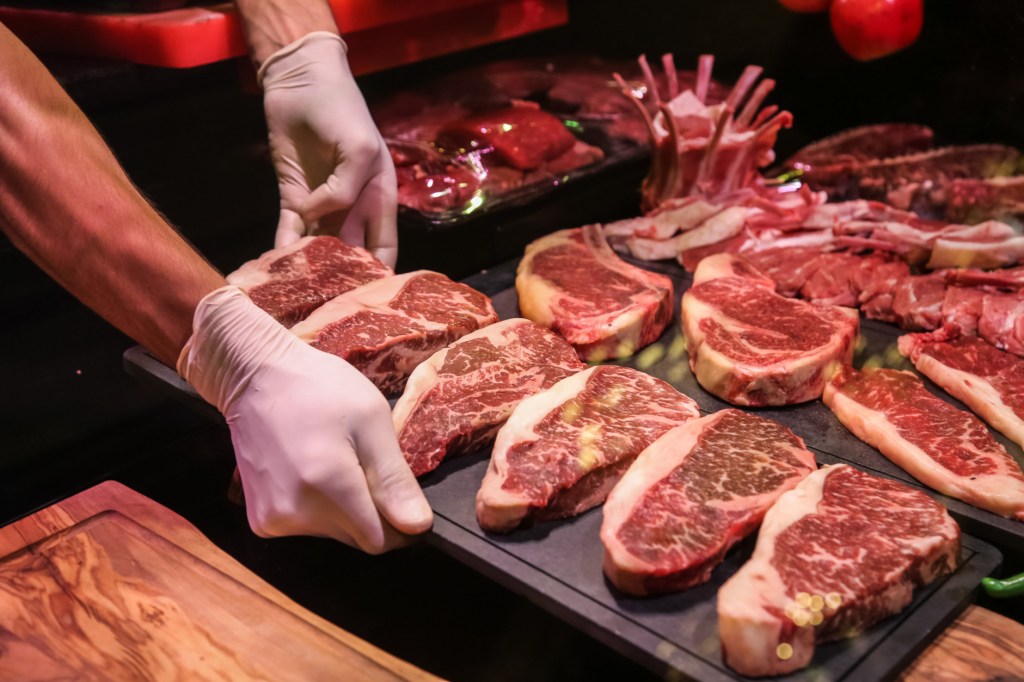
Protein is essential for building muscle mass and a lean figure, also proteins contribute to the reconstruction of cells and the synthesis of enzymes and hormones. The amount of protein intake varies depending on factors such as gender, age, body weight, body type, activity level. Athletes and anyone who does intense physical activity need more…
 Diet gun