Category: Foods
-
Low Sodium = Poor Cognitive Function in the Elderly

During the aging process and since we try to keep sodium retention reduced to prevent cardiac hypertension and possible kidney disease, it becomes difficult to maintain sodium balance in the body. Low sodium in the body, or hyponatremia, has been shown to increase the risk of falls by contributing to neurocognitive dysfunction, which can cause…
-
Why I Lose Weight Without Dieting ?
Unexplained weight loss, without seeking it with a weight loss diet, can be dangerous to health. If we lose more than 10% of our weight in six months to a year, without seeking it, we should seek medical help to find the causes that caused the loss. Unexplained weight loss can happen to anyone but…
-
5 Foods that can Cause Cancer
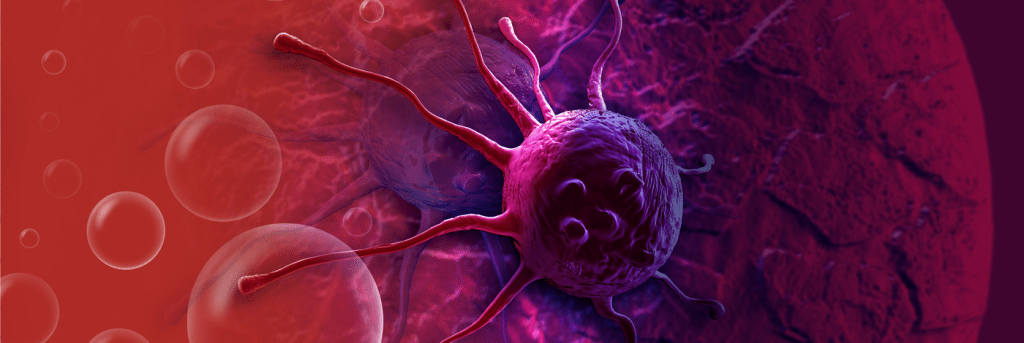
Many everyday foods increase the risk of cancer and some of them can even promote it. Here are 5 categories of foods that can cause cancer and it would be good to limit their intake to a minimum because they act cumulatively and their negative effects after long-term frequent intake will be seen after several…
-
Anal Fissures and Nutrition
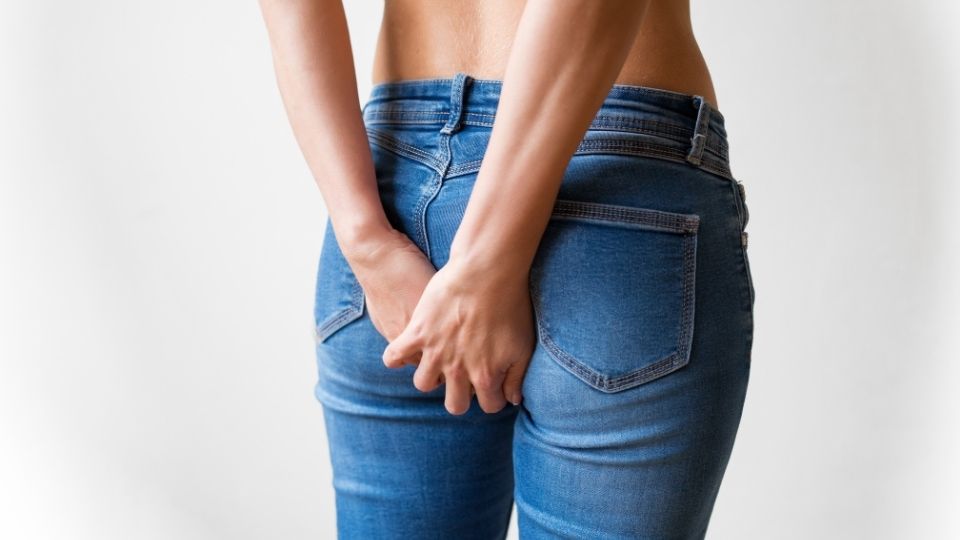
Anal fissure is a skin tear or injury inside the anal canal. Anal fissures cause pain, especially during bowel movements. Usually this injury (skin tears) of the anus causes pain such as a burning sensation during defecation and is often accompanied by bleeding and itching. Anal fissures affect all ages but are more common in…
-
HIPPOCRATES (460 BC – 377 BC) – ON DIET V – Wine
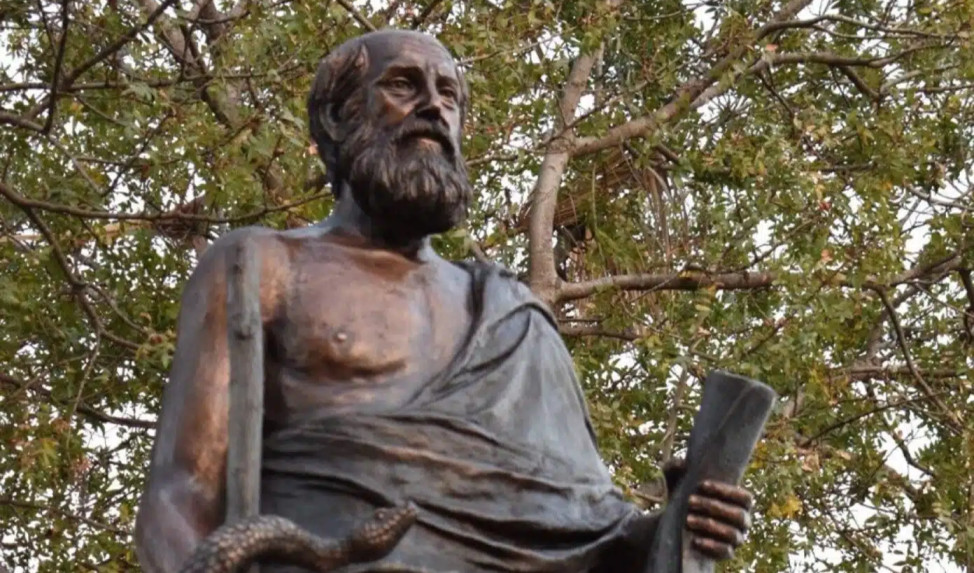
Sweet wine, strong wine, white wine, and black wine should be administered in serious illnesses according to the following criteria: Sweet wine weighs less on the head than strong wine and affects the mind less, facilitates bowel movements more than the other, but causes swelling of the spleen and liver. They are not recommended for…
-
Meal Replacements – Do They Work?

Meal replacement foods are widespread mainly for the convenience they offer, in their preparation, consumption, and storage. Some of their undeniable advantages are: 1. Convenient and versatile They are ready-made, they do not require special preparation, you can take the meal with you without fear of spoiling or getting your bag dirty. 2. Variety in…
-
Taking the Ideal Dietary History

The dietary history aims to provide a detailed record of a person’s medical history, eating habits, preferences and goals in order to design a personalized diet plan. The dietary history should be collected by the dietitian in the form of a series of questions and not by the method of completing a questionnaire by the…
-
How Many Calories do I Burn if I Walk 5000 Steps?

The number of calories we can burn during an activity, such as walking, depends on many factors, such as: Age The older we are, the fewer calories we burn during any exercise and not just during walking. With increasing age, metabolism slows down mainly due to reduced activity but also the natural decrease in certain…
-
Barrett’s Esophagus and Its Nutrition

In Barrett’s esophagus, there is a replacement of the normal cells of the lower part of the esophagus by another type of cell. The risk factors for developing Barrett’s esophagus are mainly smoking, gastroesophageal acid reflux at a weekly frequency, an increased body mass index usually above 30 and gastroesophageal reflux for more than 5…
-
HIPPOCRATES (460 BC – 377 BC) – ON DIET IV – Satiety
At the beginning of satiety, people are seized by a prolonged and pleasant sleep, which continues for some time of the day. However, when the body cannot bear the continuous satiety, sleep is no longer pleasant but the person becomes agitated and thinks that he is struggling. When the person reaches this point, he is…
 Diet gun