Category: Foods
-
HIPPOCRATES (460 BC – 377 BC) – ON DIET I

“Many people, when they hear someone analyze a subject, refuse to listen to someone else analyze the same subject. They do not know that the mind can understand what has been said correctly and discover for itself what has not yet been said.” “I believe that anyone who is going to write correctly about human…
-
Ultra-processed Foods and the Unbreakable Bond to Visceral Fat

Ultra-processed foods (UPFs) are very prevalent in modern diets due to their convenience and variety. UPFs are defined by the NOVA classification system, which categorizes foods into four groups based on the nature, extent and purpose of industrial processing: Group 1 Unprocessed or minimally processed foods that have been refrigerated, washed or dried, e.g. fresh…
-
10 Highly Nutritious Vegetables

Some of the most nutritious vegetables, in alphabetical order, that we can find and buy are the following: 1. Asparagus Asparagus contains B vitamins, which act as coenzymes in energy production processes in cells, and especially folic acid, which takes part in the synthesis of nucleic acid and amino acids. It also contains potassium, phosphorus,…
-
Maintaining High Vitamin D Levels with Regular Physical Exercise

Vitamin D is a fat-soluble vitamin that has the unique property of being able to be produced by the body from sunlight and does not depend solely on its intake through diet. Approximately 75% of the world’s population has vitamin D levels below the normal limit of 30 ng/ml in the blood. 30 ng/ml in…
-
Advanced Hydration in Older Adults

Hydration is important throughout our lives. Aging alters our ability to regulate and retain water in our bodies. As we age, our total body water decreases, our thirst decreases, resulting in less desire to hydrate. Due to inadequate hydration, water and nutrient absorption is altered, and our ability to regulate water and sodium levels in…
-
Pregnancy, Copper, Manganese, B12 and Blood Pressure 20 years later

Pregnant women whose blood contains higher levels of vitamin B12, manganese and copper may face a lower risk of high blood pressure nearly two decades after giving birth. A cohort study that began in 1999 and ended in 2021 examined blood samples collected between 1999 and 2002 during the early stages of women’s pregnancies for…
-
Iron Deficiency Anemia and its Relationship to Zinc

Iron deficiency anemia accounts for over 60% of the global incidence of anemia. Among women of reproductive age (aged 15-49 years), the percentage of the global incidence of anemia due to iron deficiency anemia ranges from 35% to 71%, and among preschool children (aged under 4 years), it ranges from 30% to 58%. Due to…
-
B12 Deficiency during Pregnancy and in the Breastfeeding Mother also creates B12 Deficiency in the Newborn

Vitamin B12 is a water-soluble vitamin involved in the metabolism of every cell in the human body, especially in the formation of red blood cells, the functioning of the nervous system, and the synthesis of DNA. Vitamin B12 is found ONLY in foods of animal origin and its absorption depends on the gastric intrinsic factor,…
-
The Health and Wellness Coffee Chain
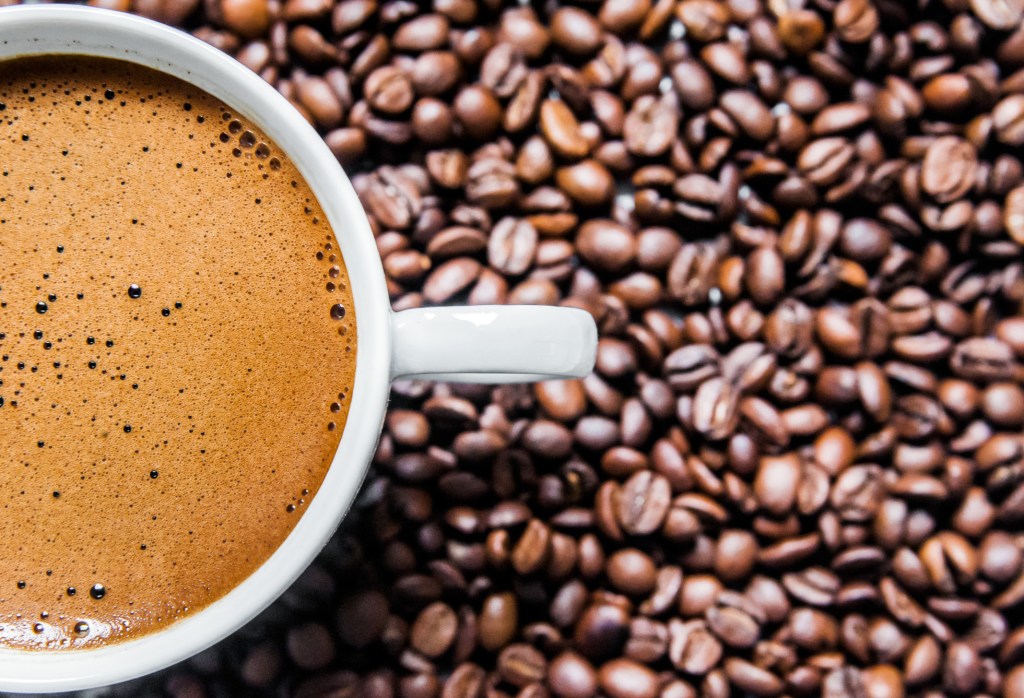
The most common causes of death are cardiovascular disease, cancer, injuries and accidents, chronic lower respiratory diseases, diabetes, chronic liver disease, kidney disease, and cognitive disorders such as Parkinson’s disease and Alzheimer’s disease. Coffee consumption has shown an inverse association with several of these diseases. Cardiovascular disease A meta-analysis of 36 prospective studies in 1.3…
-
Top 5 Health Benefits of Sardines

Sardines are small, oily fish that belong to the same family as herring and anchovy. They can be purchased fresh, frozen or canned. Sardines are an excellent addition to a balanced diet, as they are low in saturated fat and calories, but high in protein. They also contain a variety of vitamins and minerals. The…
 Diet gun