Category: Vitamins
-
Vitamin B1 Deficiency and its Crucial Role in Diabetes – New study
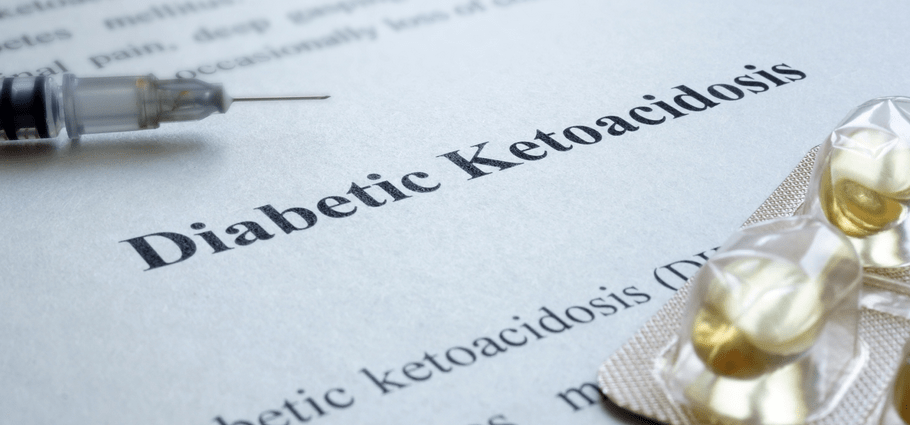
In the recent article published on February 1, 2026 in MDPI entitled Thiamine Deficiency in Diabetes: Implications for Diabetic Ketoacidosis, we see that vitamin B1 (thiamine) deficiency can create many complications in people with diabetes, complications that do not have a good prognosis. Diabetic ketoacidosis is a life-threatening complication of diabetes. Thiamine deficiency is particularly…
-
Maintaining High Vitamin D Levels with Regular Physical Exercise

Vitamin D is a fat-soluble vitamin that has the unique property of being able to be produced by the body from sunlight and does not depend solely on its intake through diet. Approximately 75% of the world’s population has vitamin D levels below the normal limit of 30 ng/ml in the blood. 30 ng/ml in…
-
Pregnancy, Copper, Manganese, B12 and Blood Pressure 20 years later

Pregnant women whose blood contains higher levels of vitamin B12, manganese and copper may face a lower risk of high blood pressure nearly two decades after giving birth. A cohort study that began in 1999 and ended in 2021 examined blood samples collected between 1999 and 2002 during the early stages of women’s pregnancies for…
-
B12 Deficiency during Pregnancy and in the Breastfeeding Mother also creates B12 Deficiency in the Newborn

Vitamin B12 is a water-soluble vitamin involved in the metabolism of every cell in the human body, especially in the formation of red blood cells, the functioning of the nervous system, and the synthesis of DNA. Vitamin B12 is found ONLY in foods of animal origin and its absorption depends on the gastric intrinsic factor,…
-
Vitamin B12

Vitamin B12 (also known as cobalamin) is a water-soluble vitamin involved in the metabolism of every cell in the human body, especially in the formation of red blood cells, the functioning of the nervous system, and the synthesis of DNA. Vitamin B12 is found ONLY in foods of animal origin and its absorption depends on…
-
Vitamin Toxicity Dosage
Usually, excessive intake of vitamins is done from vitamin supplements and not from food and can lead to health complications. The toxicity of most known vitamins when they accumulate in the body is mentioned below. Vitamin A Vitamin A (retinol) toxicity can be acute or chronic. Acute toxicity can be caused by accidental ingestion of…
-
Antioxidant Intake from Food or Supplements ?

Antioxidants are substances that protect our cells from the effects of free radicals, thus contributing to the prevention of diseases. Free radicals are produced by our own body, mainly during metabolism, but their excessive accumulation in the body exceeds the body’s ability to neutralize them and is believed to be the main cause of worsening…
-
Vitamins and Minerals for Women of Reproductive Age

Adult women of reproductive age, that is, women from the end of puberty to menopause, in addition to the needs they have as adults, also have specific nutritional needs due to menstruation and other factors. These specific nutritional needs in vitamins and minerals are the following: Calcium and vitamin D Calcium and vitamin D are…
-
Vitamin E

Vitamin E is a fat-soluble vitamin, meaning it requires fat for proper absorption and is stored in adipose tissue and the liver. It consists of eight compounds, but only alpha tocopherol is the most absorbable form, and mainly its natural form as it is more absorbable than its synthetic form. The role of vitamin E…
-
Tips for better Absorption of Vitamins
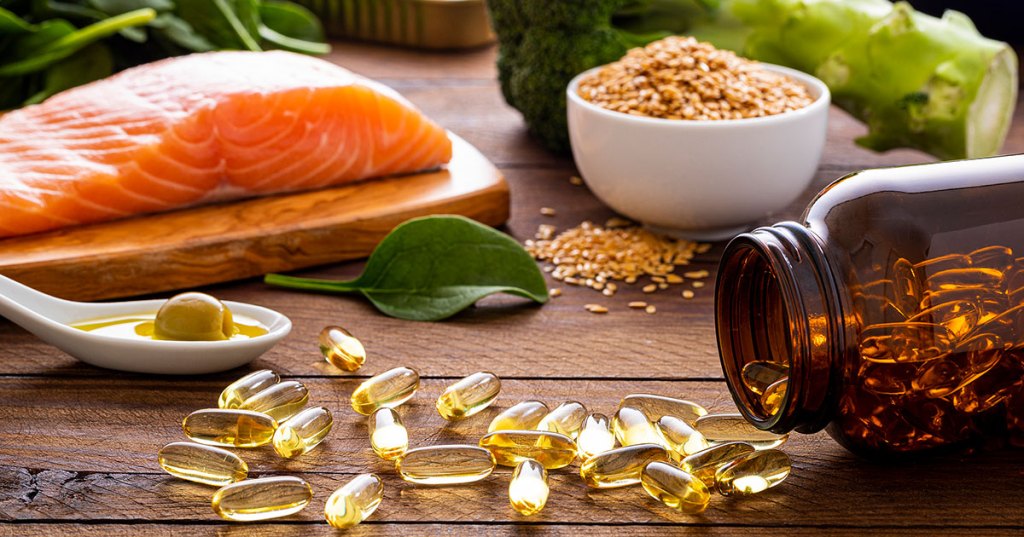
Vitamins are organic molecules essential for our metabolism. The way we take vitamins can affect their absorption and effectiveness. Vitamin absorption occurs in the intestine. Impaired intestinal absorption of vitamins can be due to factors such as intestinal disease, genetic disorders of transport molecules, excessive alcohol consumption, and drug interactions. Absorption of water-soluble vitamins (B…
 Diet gun