Tag: dairy
-
Plant-Based Diet Improves Parkinson’s Disease

Parkinson’s disease is a degenerative disease that attacks and destroys a specific group of neurons in the basal ganglia of the brain, called dopaminergic neurons. Dopaminergic neurons secrete dopamine and its lack creates the characteristic symptoms of the disease, which are tremors and slowness in the execution of movements, muscle stiffness, loss of automatic movements,…
-
Answers to Questions About Inflammation in Dairy Consumption
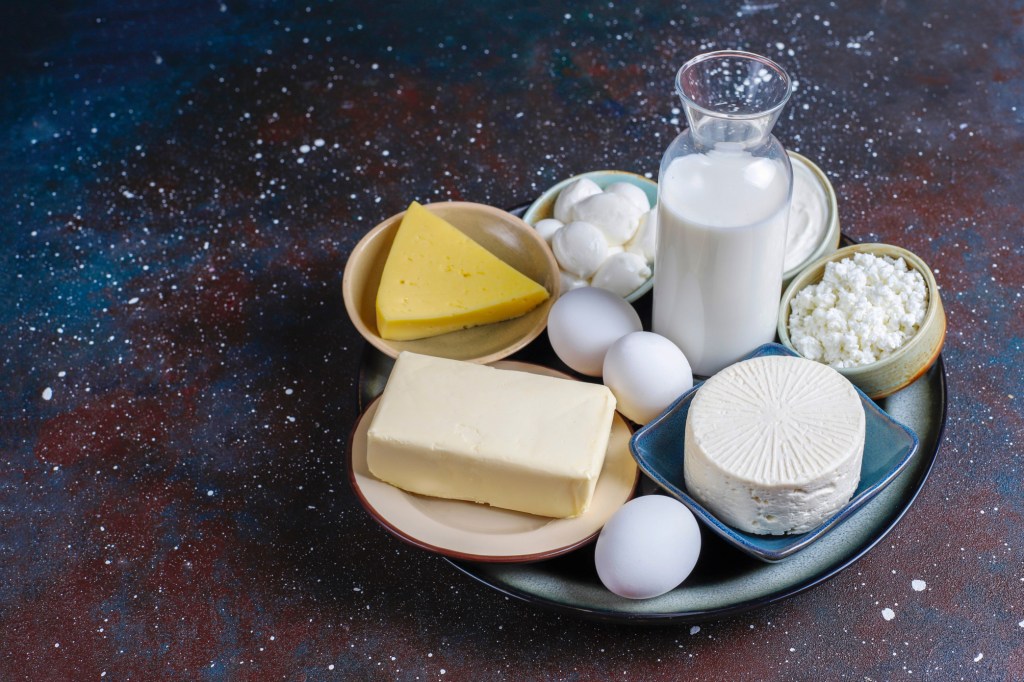
Are dairy foods inflammatory foods? The contribution of dairy to inflammation depends on factors such as genetics, gut health, immune response, and the type and amount of dairy consumed. Does dairy cause inflammation in all people? Dairy does not cause chronic inflammation in all healthy people. Some people may experience symptoms of inflammation due to:…
-
Essential and BCAA Amino Acids as a Valuable Supplement in Cancer Treatments
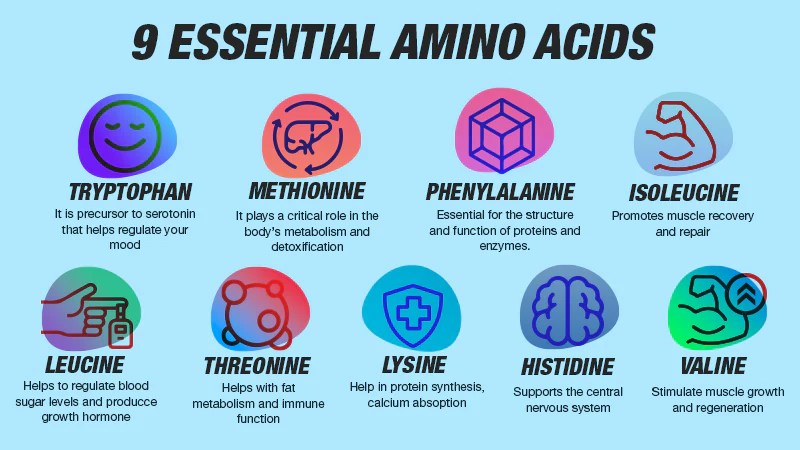
Amino acids, the building blocks of proteins, are essential for many functions of the body, such as tissue growth and repair, nutrient transport and muscle performance enhancement. Amino acids are divided into essential (which the body must obtain from food) and non-essential (which it can synthesize on its own). The essential amino acids are: leucine,…
-
Antibiotics and its Interaction with Food

Taking certain foods with certain antibiotics may affect the effectiveness of the antibiotics. Antibiotics and Dairy Taking antibiotics with dairy products, which are rich sources of divalent ions, such as calcium and magnesium, can form complexes with some antibiotics and prevent their absorption. Tetracycline Tetracycline should generally not be taken with dairy products because it…
-
6 Tips for Best Bulking

If we want to gain weight, it is certain that we must eat more than we used to. The same foods that we ate before, if we eat them in larger quantities without increasing our activity, it is certain that we will gain weight. If we want to increase our muscle mass, our diet must…
-
Vitamins and Minerals for Women of Reproductive Age

Adult women of reproductive age, that is, women from the end of puberty to menopause, in addition to the needs they have as adults, also have specific nutritional needs due to menstruation and other factors. These specific nutritional needs in vitamins and minerals are the following: Calcium and vitamin D Calcium and vitamin D are…
-
Nutrition for Hepatitis B

Hepatitis B is a viral infection that affects the liver, causing inflammation and damage, and over time, chronic liver disease can develop. The liver’s main functions are to filter the blood, process and store nutrients, help synthesize bile, and convert harmful substances into harmless ones. It is an essential organ in the body and plays…
-
Foods that help with Hypokalemia

Hypokalemia is a low concentration of Potassium (K+) in the blood, below 3.5 mEq/L or mmol/L. (Normal values 4 to 4.5 mEq/L). If the concentration of Potassium in the blood is less than 2.5 mEq/L then Hypokalemia is life-threatening. Hypokalemia is the most common electrolyte disorder and is common in those who are hospitalized or…
-
5 Foods that can cause Bad Breath

Bad breath (also called halitosis) is caused by possible health conditions, long-term habits, and the consumption of certain foods. The most well-known health conditions that can lead to bad breath are diabetes mellitus, liver or kidney disease, Sjögren’s syndrome, infections in the nose, throat or lungs, gastroesophageal reflux disease, oral and oropharyngeal cancer. Long-term habits…
-
Foods that increase histamine

Histamine is a substance that is mainly involved in the functions of the immune and central nervous systems. Histamine initiates an inflammatory reaction to alert the body’s immune system to a possible attack. This inflammatory reaction causes blood vessels to dilate in order for white blood cells to act faster against the infectious agent. The…
 Diet gun