Tag: legumes
-
10 nutritional tips for a better response to Depression

Depression is a disorder that affects our mood, thoughts and behavior. It can start with a loss of interest and pleasure and develop into a daily feeling of anxiety, sadness and/or melancholy for a long time, resulting in abstinence from our social and interpersonal relationships. Depression is not combated with a special diet and needs…
-
Foods that help with Hypokalemia

Hypokalemia is a low concentration of Potassium (K+) in the blood, below 3.5 mEq/L or mmol/L. (Normal values 4 to 4.5 mEq/L). If the concentration of Potassium in the blood is less than 2.5 mEq/L then Hypokalemia is life-threatening. Hypokalemia is the most common electrolyte disorder and is common in those who are hospitalized or…
-
Constipation – Foods that cause and aggravate it

Constipation is a bowel dysfunction and includes one or more of the following, defecation up to 2 times a week, difficulty in defecation, small amount of stool, hard stool. Constipation can occur in the following diseases: endocrine and metabolic disorders such as hypothyroidism, hyperparathyroidism, hypercalcemia, diabetes mellitus, multiple sclerosis, Parkinson’s disease, Hirschsprung’s disease, spinal cord…
-
15 Nutritional Advice for Kidney Patients on Dialysis
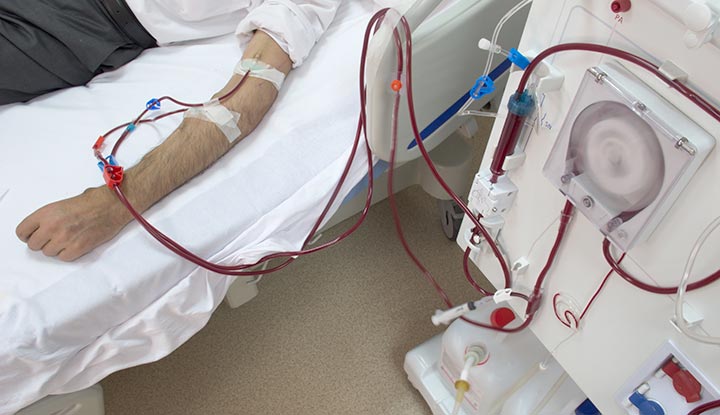
Nutritional support for patients undergoing dialysis is not only of great importance but also crucial for the course of the disease. The diet of kidney patients is very restrictive, but in the dialysis stage there is considerably more freedom in forming the nutritional plan that the patient will follow compared to the previous stages of…
-
5 Food Categories for NAFLD (Non-Alcoholic Fatty Liver Disease)

Liver is an organ that helps process nutrients and drugs absorbed from the digestive system, stores energy, breaks down substances such as drugs and alcohol and removes them from the body, helps synthesize bile which is necessary for the digestion of fatty acids. Non-alcoholic fatty liver disease (NAFLD) is the accumulation of fat in the…
-
Protein for Preschoolers

Recommendations for children’s nutrition are not like those for adults with specific, precise amounts of grams, they are mainly educational and research in nature because, like adults, babies do not all have the same body size, the same needs, the same metabolism. There is no clear scientific documentation on the exact amount of protein or…
-
10 Nutritional Tips and Foods for Polycystic Ovary Syndrome (PCOS)

Polycystic ovary syndrome is an endocrine problem that has different forms of clinical expression. It affects the body by disrupting the balance of hormones, resulting in ovulation not occurring or occurring rarely. It is considered one of the main causes of infertility. Polycystic ovary syndrome is the most common gynecological endocrine disorder and in addition…
-
7 Foods to Avoid with Hemorrhoids
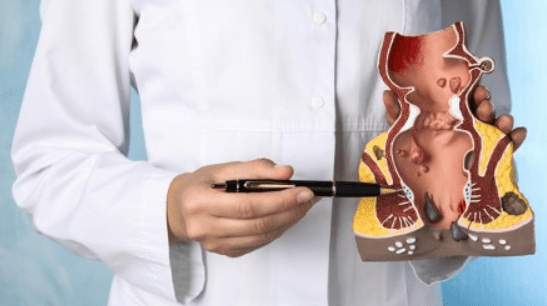
Hemorrhoids are normally found inside the anus. They help with defecation and stool retention, they look like small sacs filled with blood and are venous plexuses. When these sacs lose their support due to the constant and intense effort to defecate, they hang outside the anus, fill with blood and swell. Complications of hemorrhoids are…
-
Nutrition for Healthy Preschoolers (PART 1 – the content of nutrition)

In the last 20 years, lifestyle has brought significant blows to the nutrition of preschool children. Nowadays, our young children eat less breakfast, consume less homemade food, while the intake of ready-made food that is not prepared at home has increased. Unfortunately, they now get more calories from snacks, consume more fried foods and foods…
-
10 Healthy Foods for Seniors

All the vital organs of the human body as we age, especially after the age of 50, begin to lose some of their functionality. More obvious changes besides changes in the skin are the weakening of the immune system, the decline in kidney function, changes in our nervous and digestive/gastrointestinal systems. In order for these…
 Diet gun