Tag: vitamin D
-
Latest News on Nutrition in Endometriosis

Endometriosis is a chronic inflammatory condition in which tissue similar to the endometrium (the thin inner lining of the uterus) grows in abnormal areas outside the uterus, such as the ovaries, fallopian tubes, bladder, and bowel. Endometriosis can cause severe abdominal pain, bleeding, pain during intercourse, and infertility. Its frequency is estimated at 1 in…
-
Tips on Nutrients Affected in Perimenopausal Women and Leading to Menopausal Symptoms

Perimenopause is the natural transition period towards menopause, where the ovaries begin to reduce the production of hormones (mainly estrogen), causing changes in the menstrual cycle (less frequent or irregular periods) and symptoms such as hot flashes, sleep disturbances, fatigue, vaginal and bladder problems, changes in sexual function, decreased fertility, possible changes in cholesterol levels,…
-
Maintaining High Vitamin D Levels with Regular Physical Exercise

Vitamin D is a fat-soluble vitamin that has the unique property of being able to be produced by the body from sunlight and does not depend solely on its intake through diet. Approximately 75% of the world’s population has vitamin D levels below the normal limit of 30 ng/ml in the blood. 30 ng/ml in…
-
4 Symptoms of a Nutrient Deficiency

A deficiency in the body of micronutrients (i.e. vitamins, minerals and trace elements) is not always as noticeable as a deficiency in macronutrients (i.e. proteins, carbohydrates, fat and water). Usually, a period of time has passed since the body has been deficient in micronutrients before we realize it with certain symptoms that appear. Macronutrients and…
-
7 Tips for a Healthy and Balanced Plant-Based Diet

Not all plant-based diets are healthy. Frequent consumption of foods with a high carbohydrate content such as pasta, potatoes, sweets to create a feeling of fullness is definitely unhealthy. Insufficient consumption of natural plant-based protein foods such as legumes and nuts is also something that should concern us as it is certain that we will…
-
Vitamin Toxicity Dosage

Usually, excessive intake of vitamins is done from vitamin supplements and not from food and can lead to health complications. The toxicity of most known vitamins when they accumulate in the body is mentioned below. Vitamin A Vitamin A (retinol) toxicity can be acute or chronic. Acute toxicity can be caused by accidental ingestion of…
-
5 Food categories to Increase Testosterone levels

Testosterone is one of the most important hormones for men and quite important for women. Testosterone promotes the development of the genitals, the growth and maintenance of muscles, sexual desire, sperm production, mood, physical energy. Testosterone levels decrease with age, especially after the age of 40, and they also decrease due to an unhealthy lifestyle.…
-
Avocado
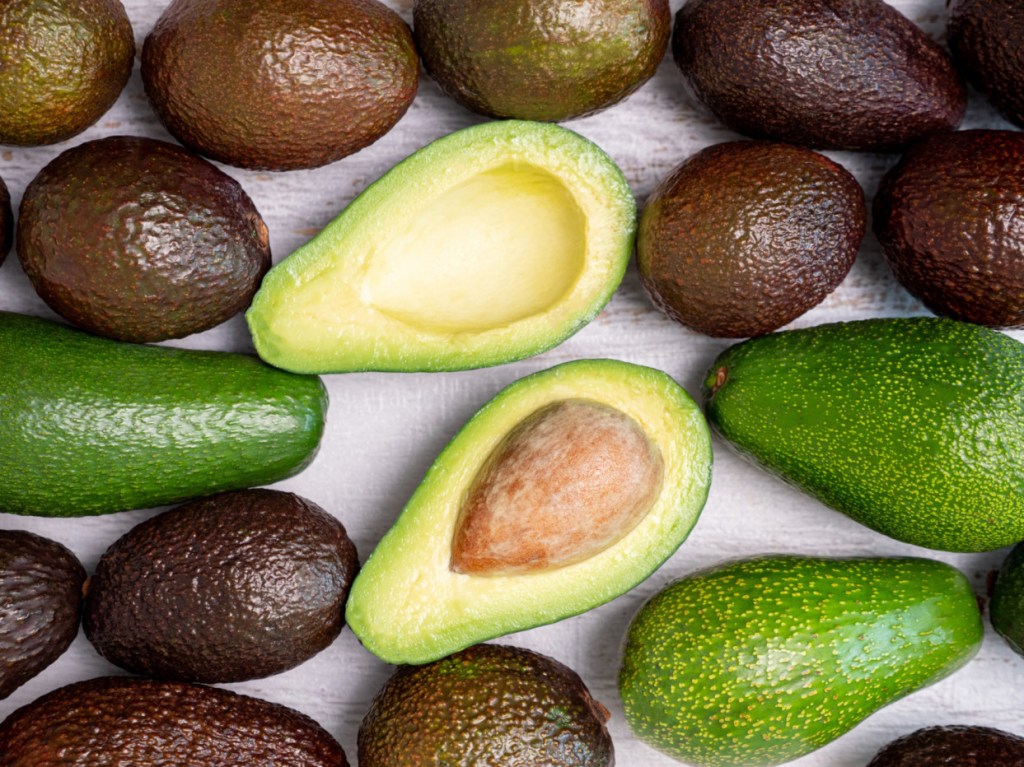
Avocado is a fruit with high nutritional value and several health benefits. 100 grams of avocado have 8.5 grams of carbohydrates (7 grams of fiber and only 0.5 grams of sugars, 2 grams of protein and almost 15 grams of fat (about 10 monounsaturated, 2.5 saturated and 2 polyunsaturated), it is a fruit with a…
-
Vitamins and Minerals for Women of Reproductive Age

Adult women of reproductive age, that is, women from the end of puberty to menopause, in addition to the needs they have as adults, also have specific nutritional needs due to menstruation and other factors. These specific nutritional needs in vitamins and minerals are the following: Calcium and vitamin D Calcium and vitamin D are…
-
Nutrition for Psoriasis

Psoriasis is an autoimmune inflammatory disease that causes the formation of cells and lesions in the upper layer of the skin. Possible causes for its appearance are excessive stress but mainly genetic, immunological and environmental factors. People with psoriasis are likely to develop diseases such as obesity, type 2 diabetes and cardiovascular diseases. Food is…
 Diet gun